By DCM Bisi Kazeem (Rtd) fsi MNIM anipr
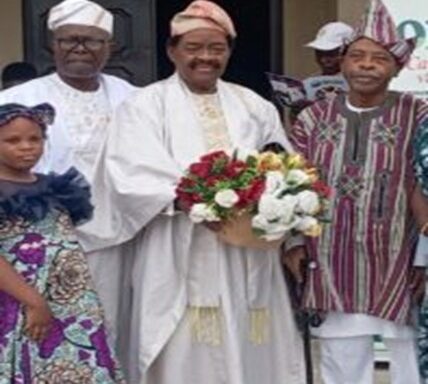
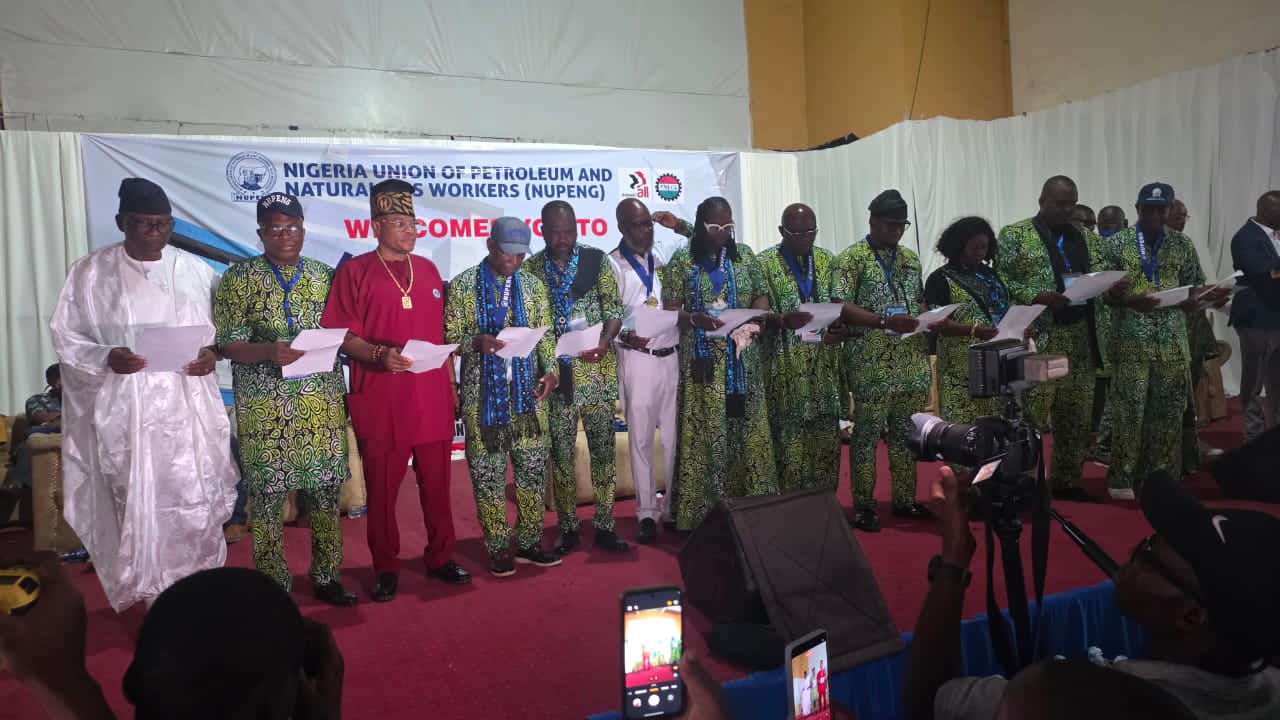
In a development that has sent ripples across Nigeria’s oil and gas landscape, Comrade (Dr.) Otunba Salimon Akanni Oladiti has emerged as the President of the Nigeria Union of Petroleum and Natural Gas Workers, marking a defining moment for one of the country’s most strategic labour unions. Indeed, history did not whisper, it roared.
His emergence is widely seen not as a routine leadership transition, but as the beginning of a forceful and transformative era for Nigeria’s petroleum workforce. Oladiti’s story is anything but ordinary. From the harsh realities of early hardship, where survival demanded grit and sacrifice, he began life in the transport sector as a motor boy before rising to become a professional tanker driver. A devastating accident that kept him hospitalized for over a year might have ended the journey of many, but not Oladiti.
He returned, rebuilt, and relentlessly climbed the ranks of union leadership.
Today, that same resilience has carried him to the pinnacle of NUPENG.
Industry stakeholders describe him as a stabilizing force, one who brought discipline, structure, and renewed purpose to the Petroleum Tanker Drivers (PTD) Branch during his tenure as National Chairman. Under his leadership, the branch evolved from a fragmented structure into a more unified and formidable force within the union.
“This is not politics as usual; this is power earned,” remarked a senior industry observer, capturing the mood surrounding his emergence.
Now, as President, Oladiti assumes office at a critical juncture for Nigeria’s oil and gas sector, an industry grappling with challenges of efficiency, transparency, and the urgent need to prioritize worker welfare. Analysts believe his deep experience in petroleum logistics and his reputation for integrity position him as a leader capable of navigating these complexities.
Across the sector, expectations are high. From tanker drivers to top level stakeholders, there is a growing sense that his leadership could trigger a significant shift in how petroleum distribution and labour relations are managed in the country. His track record suggests a leader unafraid to confront systemic issues while building consensus across divides.
Observers say his presidency could redefine the operational and welfare framework within NUPENG and beyond.
In the days ahead, industry insiders anticipate a bold push toward the modernization of petroleum haulage operations, where safety standards, digital tracking systems, and structured loading processes could finally replace long-standing inefficiencies. There are also strong indications that Oladiti will prioritize the institutionalization of welfare reforms, ensuring that tanker drivers and other critical workforce segments are not only protected, but empowered with better working conditions, insurance frameworks, and professional recognition.
Equally significant is the expectation that his leadership will strengthen strategic engagement between labour, government, and industry operators, driving policies that stabilise fuel distribution nationwide. With his proven ability to unite factions and enforce discipline, analysts believe Oladiti could play a pivotal role in reducing disruptions across the supply chain, restoring confidence, and setting a new benchmark for accountability and performance within the sector.
For many within the industry, this moment represents more than just a leadership victory, it signals the rise of a movement grounded in resilience, discipline, and a clear vision for progress. As Nigeria watches closely, one message resonates strongly across the oil and gas corridors because, the driver has taken the wheel.