By Ijeoma Agbafo
Nigeria’s push for cleaner and more affordable transportation is gathering momentum, with Lagos and Abuja leading the country’s growing electric vehicle (EV) revolution. As fuel prices continue to rise, startups and manufacturers are investing heavily in green technology by introducing locally assembled electric buses, tricycles, motorcycles and cars built for Nigerian roads.
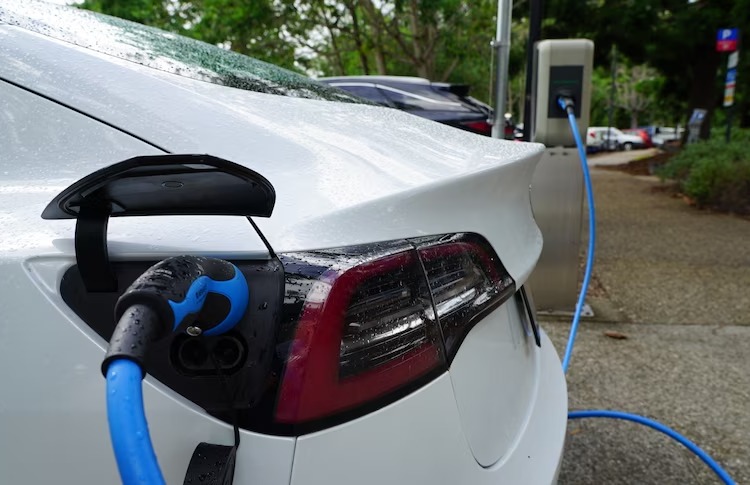
Several new EV assembly plants have recently been launched in both cities, targeting the production of affordable electric vehicles for everyday Nigerians. The expansion is also driving the development of charging stations, battery swapping systems and solar powered solutions aimed at reducing dependence on petrol powered transportation.
Experts say the shift toward electric mobility could reduce Nigeria’s reliance on imported fuel, lower transportation costs and create new jobs in engineering and manufacturing. Lagos continues to attract investors and tech entrepreneurs as the country’s commercial centre, while Abuja is benefiting from government backed clean energy initiatives and innovation projects.
Despite the growing optimism, challenges such as unstable electricity supply, limited charging infrastructure and the high cost of EVs remain major concerns for many Nigerians. Industry players, however, believe improvements in renewable energy and battery technology could help make electric vehicles more accessible in the coming years.
As economic pressures persist, the rise of green technology in Lagos and Abuja is offering hope for a cleaner, more sustainable future. For many citizens, the EV movement represents not just innovation, but a potential solution to rising transport costs and environmental concerns in Nigeria.