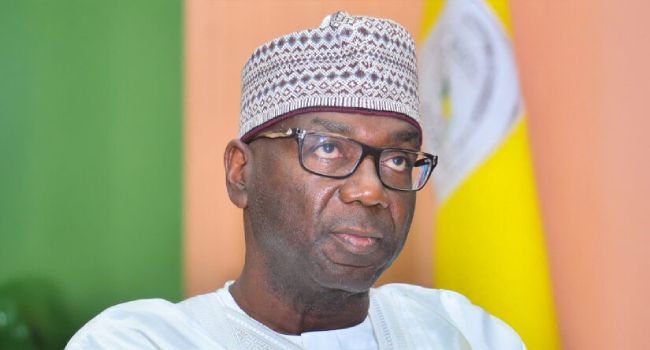
The Chairman of the Nigeria Governors Forum (NGF) and Governor of Kwara State, AbdulRahman AbdulRazaq, has revealed that state governors across the country went into “panic mode” ahead of the removal of fuel subsidy in 2023, fearing that the policy could trigger widespread unrest and violent protests nationwide.
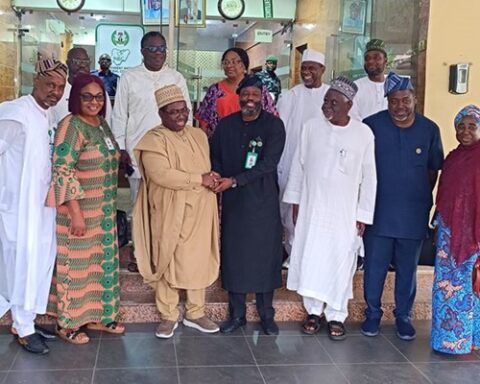
AbdulRazaq made the disclosure on Friday during a meeting involving President and members of the Nigeria Governors Forum at the President’s residence in Lagos.
According to the Kwara governor, state governments immediately activated security measures after receiving indications from top security officials that the Federal Government was determined to proceed with the subsidy removal policy despite concerns over its likely impact on Nigerians.
He explained that governors first became aware of the impending move while some of them were on an official trip to China. The information, he said, came through urgent communications from the National Security Adviser and the Director-General of the Department of State Services (DSS), who informed them that the decision was final and irreversible.
“We went into panic mode. I sent a message to my colleagues at the NGF and nobody wanted to hear that,” AbdulRazaq said during the meeting.
The governor noted that the prospect of removing fuel subsidy at the time appeared politically and socially dangerous, especially amid growing economic hardship and public frustration over rising living costs.
According to him, governors immediately began consultations among themselves while abroad, with many expressing fears that the development could spark nationwide protests, riots and possible breakdown of law and order.
AbdulRazaq disclosed that governors quickly instructed security agencies in their respective states to heighten surveillance and prepare for possible unrest. Emergency security council meetings were also convened across states as authorities anticipated violent reactions from citizens.
The NGF chairman said the atmosphere among governors was tense, with many doubting whether the policy could be successfully implemented without severe consequences.
He revealed that governors who were part of the China trip, including the Governor of Lagos State, , and the Governor of Kaduna State, held a series of discussions and resolved to urgently seek an audience with President Tinubu in a bid to persuade him to reconsider the timing of the policy.
“We met and asked: how can this be implemented? It was impossible. There were phone calls back and forth to Nigeria, so we decided to book an appointment to see Mr. President and let him know that this could not work,” AbdulRazaq stated.
The fuel subsidy removal policy, announced by President Tinubu during his inauguration speech on May 29, 2023, immediately triggered sharp increases in petrol prices across the country and significantly affected transportation, food costs and other essential services.
Despite widespread fears at the time, AbdulRazaq noted that the anticipated mass protests and riots never materialised on the scale many governors and security agencies had predicted.
According to him, although there were pockets of demonstrations and public dissatisfaction in some parts of the country, Nigeria did not descend into chaos as many had feared before the policy was implemented.
The governor’s remarks offered fresh insight into the level of anxiety within government circles before the subsidy removal and the extensive behind-the-scenes security preparations made by state authorities.
The subsidy removal remains one of the most consequential economic decisions of the Tinubu administration, with supporters arguing that it was necessary to save the country from unsustainable fiscal burdens, while critics insist it has worsened hardship for millions of Nigerians.
Since the implementation of the policy, both the Federal Government and state governments have introduced various intervention programmes aimed at cushioning the impact on citizens, including transport support schemes, food distribution initiatives and wage-related adjustments.
Friday’s meeting between President Tinubu and the governors reportedly focused on national economic reforms, security challenges and collaboration between the Federal Government and states on developmental issues.
AbdulRazaq’s revelation has since generated fresh discussions about the political risks surrounding the subsidy removal and the extent to which security agencies prepared for potential nationwide unrest before the policy took effect.