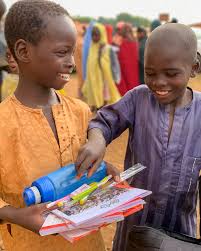
A joint mission led by the Reaching Out-of-School Children (ROOSC) project in Kaduna, on Wednesday conducted an extensive assessment of education interventions in Kaduna State.
It was in strong collaboration with UNICEF, Islamic Development Bank (IsDB), Kuwait Fund for Arab Economic Development (KFAED), Global Partnership for Education (GPE), Qatar Fund for Development, Federal Ministries of Finance and Education, Kaduna Ministry of Education, and Save the Children International, among others.
The mission aimed to evaluate integration of out-of-school children into formal education and assess construction and rehabilitation of learning facilities across targeted communities.
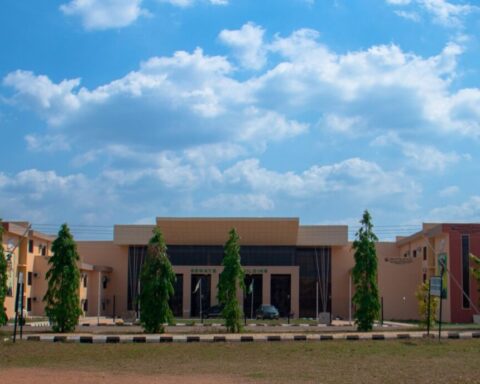
The team visited LGEA Nursery and Primary School Hayin Banki, Kwanan Bishara in Rigasa, Unguan Maicibi 1, and Madaratu Muhammadu Rabilu Lit Tahfizil Qur’an in Hayin Na’iya.
They also inspected Madaratu Ihya’i Siradil Mustaqeem nursery, primary, secondary and Islamiyya community school in Badarawa, reviewing mainstreaming of children and infrastructure progress.
Speaking to newsmen at the sideline, Mr Ezra Angai, ROOSC Project Coordinator in Kaduna, said the visit formed part of a joint supervision mission involving global and national partners monitoring implementation progress and addressing challenges.
Angai explained that since April 20, partners have held presentations and engagements, with participation from IsDB, GPE, UNICEF, Save the Children, and federal ministries, alongside virtual contributions from KFAED, among other development partners.
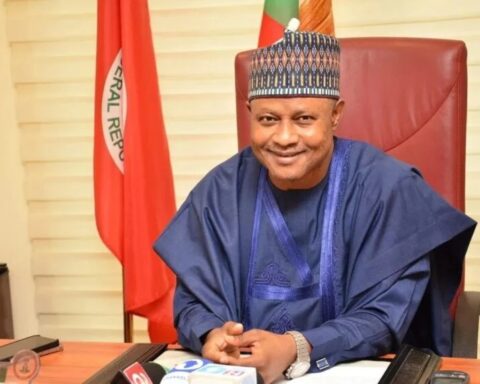
He said the mission was opened by the Kaduna Commissioner for Education, who reaffirmed Gov. Uba Sani’s commitment to delivering practical and impactful education reforms.
At Kwanan Bishara, Rigasa, Igabi LGA, Angai said nine classrooms, including a three-classroom block and a two-storey six-classroom block, are under construction alongside administrative offices and sanitation facilities.
He noted the project originated from a community request, describing it as a clear example of government responsiveness and community-driven development.
Vanessa Lee, UNICEF Chief of Education in Nigeria, said the agency supports system strengthening, including teacher capacity, school management committees, and digital data systems to track children.
She added that UNICEF works closely with ministries of education, finance, and planning to ensure all system components function together for improved learning outcomes.
Dorian Gay, Senior Country Programme Officer at GPE, said the mission observed new construction and rehabilitation efforts aimed at improving learning environments.
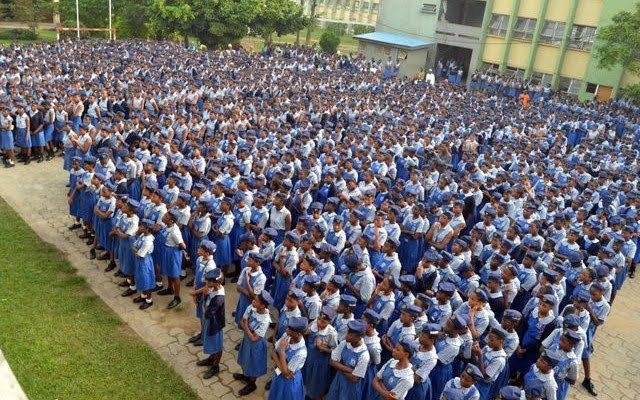
He noted that overcrowding, such as 70 pupils per classroom in some schools, would reduce significantly to about 40 with ongoing renovations.
Gay highlighted Kaduna’s proactive reforms, addressing needs of Almajiri children, girls, and other excluded groups through infrastructure, materials, and community engagement.
He stressed that tackling out-of-school challenges requires not only education provision but also addressing poverty and broader social factors.
Jane Mutua, Deputy Country Director of Save the Children International, said the organisation is both implementing and funding parts of the programme.
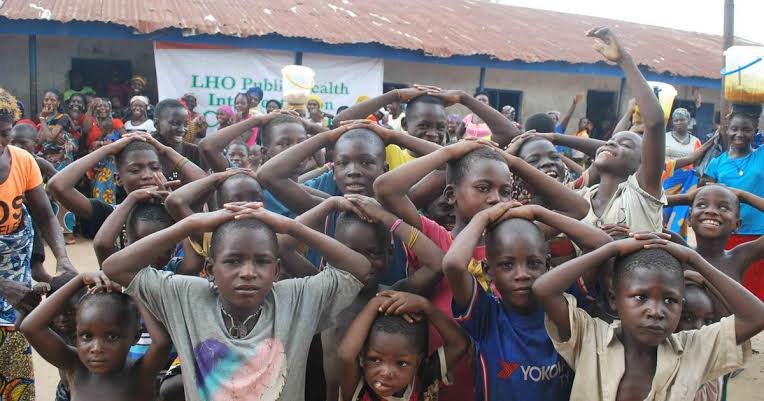
She described progress as significant but insufficient compared to the scale of need, noting a target of 100,000 children against about 200,000 currently out of school.
Mutua urged communities to enroll children and ensure retention, emphasising that education provides protection and enables children to achieve their potential.
Jawara Gaye of IsDB, said the development is “gratifying.”
“Within a short time, we are seeing children who were out of school now learning, supported by better teaching and improved facilities.”
Muhammad Usman, community leader of Kwanan Bishara, expressed gratitude for the project, describing it as transformative for local families.
He said children previously travelled up to five kilometres to attend school, adding that the new facility would ease hardship and improve access.
Usman thanked the Kaduna State Government and development partners, stating that the project would leave a lasting legacy for the community.
The News Agency of Nigeria (NAN) reports that projects in Kwanan Bishara and Unguan Maicibi 1 fall under a plan to construct 102 new schools and rehabilitate 170 across the state.