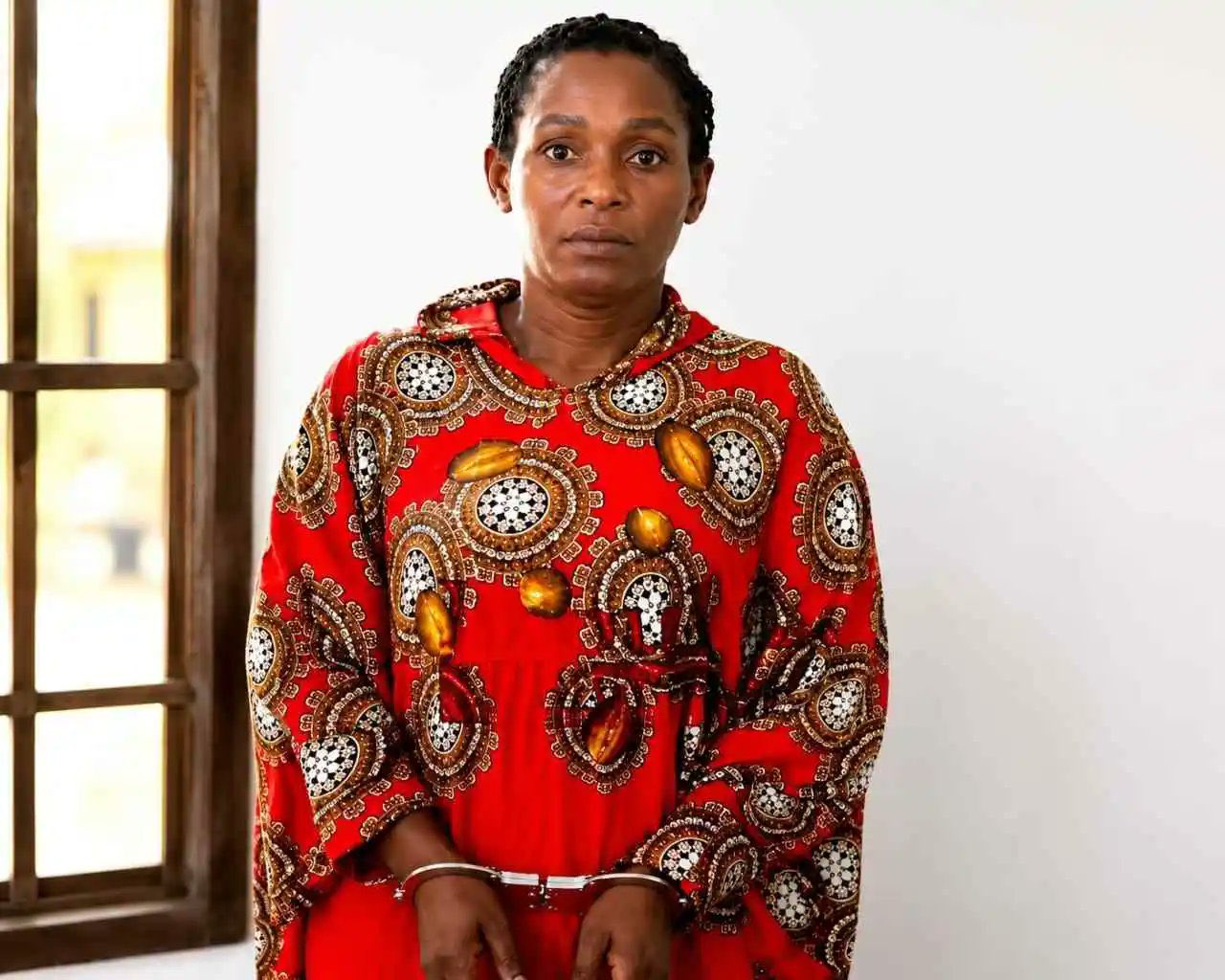
A Ghanaian court has sentenced popular TikToker Camilla Alhassan to one year in prison after she admitted to publishing false claims alleging that President John Mahama sacrificed 32 cows in a ritual to secure victory in Ghana’s 2024 presidential election.
The ruling, delivered on Friday, has drawn widespread attention across Ghana and beyond, highlighting the country’s increasing efforts to combat the spread of misinformation and false content on social media platforms.
According to a report by the BBC, the 43-year-old content creator was convicted on charges of offensive conduct and publication of false news following a series of videos she posted on TikTok last month and earlier this month.
In the videos, Alhassan falsely claimed that President Mahama performed a ritual involving the sacrifice of 32 cows to ensure his electoral victory in the 2024 presidential poll. She presented no evidence to support the allegation.
She also made another unsubstantiated claim, alleging that the government’s distribution of sanitary pads to victims affected by flooding was part of an elaborate scheme to conceal the alleged ritual.
The videos quickly gained traction online, spreading across social media and generating intense public debate before authorities initiated legal proceedings against her.
During the trial, prosecutors argued that Alhassan knowingly published false and defamatory statements that had the potential to damage the reputation of the president and undermine public confidence in the country’s democratic institutions.
The court heard that the TikToker, who commands an audience of more than 70,000 followers on the platform, used her influence to circulate claims that were entirely without factual basis. Alhassan admitted before the court that the allegations were false.
Despite her plea for leniency, the judge declined to impose a lighter sentence, insisting that a custodial sentence was appropriate given the seriousness of the offence and the need to deter others from using social media to spread falsehoods.
The court ruled that the increasing prevalence of misinformation on digital platforms poses a significant challenge to public order and trust, making it necessary to send a strong message that those who deliberately publish false information will be held accountable.
Legal observers say the judgment reflects Ghana’s determination to tackle the growing menace of fake news, particularly in the digital age where misinformation can spread rapidly to thousands or even millions of users within a short period.
The case has also reignited debate over the responsibilities of social media influencers and content creators, many of whom command large audiences capable of shaping public opinion.
While freedom of expression remains a protected constitutional right in Ghana, legal experts note that the right does not extend to the deliberate publication of false and defamatory information capable of causing public harm or damaging the reputation of individuals.
Prosecutors maintained throughout the trial that Alhassan’s claims were entirely fabricated and lacked any credible evidence. They argued that the widespread circulation of the videos had the potential to mislead members of the public and fuel unnecessary speculation surrounding the presidency.
The conviction serves as a warning to social media users that online platforms are not beyond the reach of the law and that individuals may face criminal consequences for knowingly spreading false information.
The case is expected to remain a reference point in discussions about the balance between freedom of speech, responsible use of social media, and the fight against misinformation across Africa, where governments are increasingly seeking ways to curb the spread of fake news without undermining legitimate public discourse.
For many observers, the judgment underscores the growing accountability expected of digital influencers whose online content reaches large audiences and can significantly influence public perception.