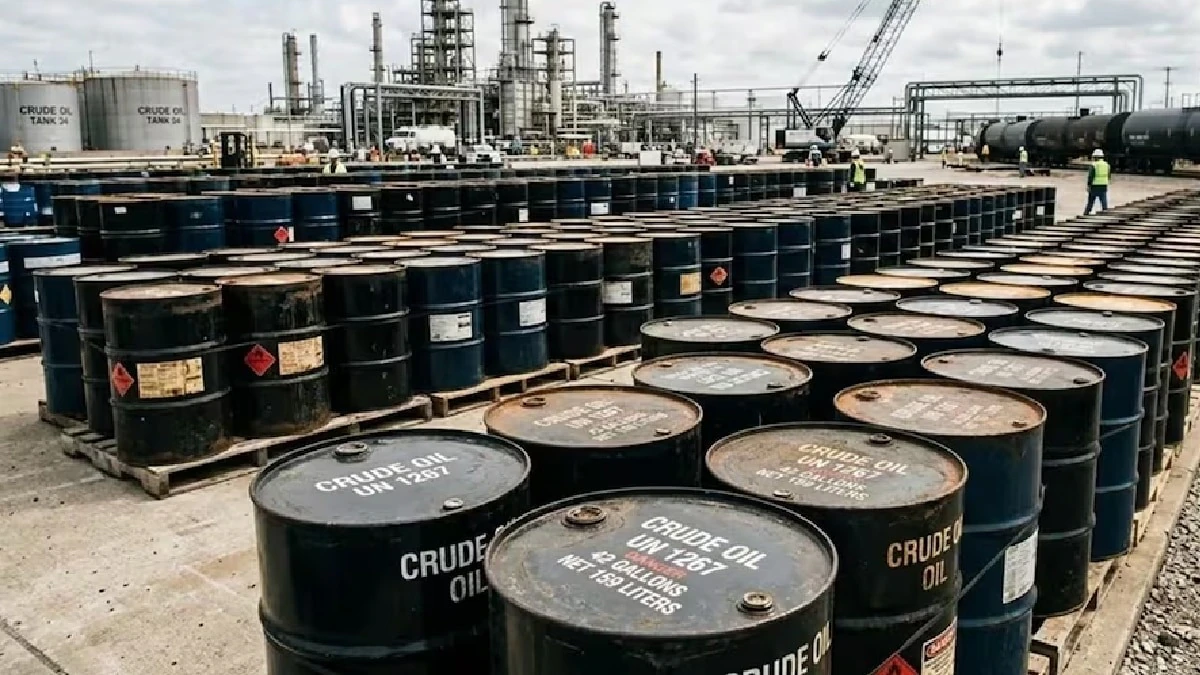
Finance ministers from the world’s leading industrialised nations are set to consider releasing strategic oil reserves in an effort to calm global energy markets shaken by the escalating crisis in the Middle East. The proposal is expected to be one of the major issues discussed during Monday’s meeting of the Group of Seven finance chiefs, according to a French government source. The meeting, scheduled for 1:30 p.m. in Paris, will focus on the economic implications of the worsening tensions in the Gulf region and the impact of recent geopolitical developments on global markets. Officials said the ministers will assess options to prevent further disruption to energy supplies and stabilise rising oil prices.
According to the source, the possible deployment of emergency oil reserves is among the measures under consideration if the conflict continues to threaten the steady flow of crude from the Middle East, a region that remains central to global energy supply. Earlier reports by the Financial Times indicated that finance ministers from the Group of Seven (G7) economies would discuss a coordinated release of strategic petroleum reserves. The move, if approved, would likely be organised through the International Energy Agency (IEA), which oversees emergency oil stockpiles held by major consuming countries. France, which currently holds the rotating presidency of the G7, confirmed that the ministers would examine the situation in the Gulf strictly from an economic perspective.
Officials said the discussions would focus on market volatility, rising energy prices and potential actions to mitigate economic fallout. “The use of strategic reserves is an option being considered,” the French government source said, noting that the group remains prepared to act collectively should the energy shock worsen. The Group of Seven consists of France, Canada, Germany, Italy, Japan, United Kingdom, and the United States, representing some of the world’s largest advanced economies. The urgency of the talks follows a sharp reaction in global financial markets at the start of the week. Asian stock markets tumbled on Monday as investors reacted to mounting fears over potential disruptions to oil supplies from the Middle East.
Oil prices surged dramatically, climbing by nearly 30 percent amid growing concerns that the ongoing war involving Israel, the United States, and Iran could escalate further and affect critical shipping routes or oil production facilities in the region. The conflict, now entering its second week, has heightened anxiety among energy traders and governments alike. Analysts warn that any prolonged disruption to oil flows from the Gulf could trigger a wider global energy shock, raising fuel costs, increasing inflationary pressures and slowing economic growth. Strategic petroleum reserves are emergency stockpiles maintained by many industrialised countries to cushion supply shocks. They have been deployed in the past during major disruptions, including wars, natural disasters and sudden supply shortages.
A coordinated release by the International Energy Agency could inject millions of barrels of oil into the market, potentially easing price pressures and reassuring investors about supply stability. However, experts caution that such a move would be a temporary measure aimed at stabilising markets rather than addressing the underlying geopolitical tensions driving the current surge in prices. For many countries, including energy-importing economies, the outcome of the G7 meeting could carry significant implications. Rising oil prices often translate into higher transportation and fuel costs, which can quickly ripple through national economies.
In countries like Nigeria, analysts say a sustained increase in global crude prices could lead to higher domestic fuel prices, adding to inflation and putting additional strain on households already grappling with economic challenges. As the conflict continues and markets remain volatile, the G7 ministers are expected to deliberate carefully on whether tapping strategic reserves is necessary to prevent a deeper global energy crisis. Their decision could shape the immediate response of major economies to one of the most significant oil market shocks in recent years.