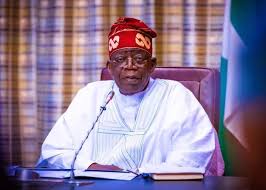
President Bola Tinubu has alleged that individuals and groups who benefited from Nigeria’s former fuel subsidy regime, alongside unpatriotic actors involved in foreign exchange round-tripping, are behind attempts to destabilise the country and frustrate the reform policies introduced by his administration.
The president made the remarks yesterday while speaking on the challenges confronting the nation’s economy and security situation, insisting that vested interests affected by recent government reforms are resisting efforts aimed at restructuring the Nigerian economy. According to Tinubu, some of the individuals who profited enormously from the fuel subsidy system and distortions in the foreign exchange market are now sponsoring activities capable of undermining national stability because they have lost access to enormous financial advantages previously available under the old system.
The president stated that the removal of fuel subsidy and the unification of the foreign exchange market disrupted long-standing networks of economic exploitation, adding that some beneficiaries of those arrangements are uncomfortable with the reforms and are determined to resist change. Tinubu explained that his administration inherited severe economic distortions that required urgent and difficult decisions to prevent deeper national crises.
He noted that although the reforms initially created economic hardship and public dissatisfaction in some sectors, they were necessary steps toward long-term economic recovery and national stability. According to the president, fuel subsidy payments had become unsustainable and were draining public resources that could otherwise be invested in infrastructure, healthcare, education and security.
He also criticised practices involving foreign exchange manipulation and round-tripping, where individuals allegedly exploited multiple exchange rates for personal gain at the expense of the broader economy.
Tinubu maintained that the unification of the foreign exchange market was designed to eliminate corruption, improve transparency and restore investor confidence in the Nigerian economy. The president alleged that those affected by the reforms are now attempting to create instability through economic sabotage, misinformation and support for activities capable of weakening the state.
While not naming specific individuals or groups, Tinubu stressed that his administration would remain focused on implementing reforms despite opposition from entrenched interests. He said the major priorities currently occupying his administration are the economy and national security, describing both issues as fundamental to Nigeria’s survival and future development.
According to him, no meaningful political progress or democratic stability can be achieved in an environment where insecurity and economic instability persist. The president stated that addressing security challenges and rebuilding economic confidence remain the immediate concerns of his administration before attention shifts fully to unresolved political matters. Tinubu said his government is committed to restoring stability through fiscal reforms, improved security coordination, economic restructuring and strategic investments aimed at creating jobs and expanding opportunities for Nigerians.
He added that the administration understands the frustrations of citizens facing rising living costs and inflationary pressures but insisted that the reforms are already laying the foundation for future economic growth. The president also argued that resistance from vested interests should not discourage Nigerians from supporting difficult but necessary policy changes designed to reposition the country.
Observers say Tinubu’s remarks reflect increasing tensions surrounding the administration’s economic reforms, particularly the removal of petrol subsidy and exchange rate liberalisation, both of which have generated intense public debate since he assumed office. Supporters of the reforms argue that previous subsidy arrangements encouraged corruption, smuggling and waste while benefiting only a small group of powerful interests. Critics, however, maintain that the policies have contributed to rising inflation, increased transportation costs and worsening hardship for ordinary Nigerians struggling with the economic transition.
Economic analysts note that subsidy removal and forex reforms remain among the most controversial decisions of the current administration, with both policies continuing to shape national political and economic discourse. Security experts have also repeatedly warned about the links between economic instability, organised crime and broader national insecurity, particularly in regions affected by banditry, terrorism and kidnapping.
Tinubu reiterated that his administration would not be distracted by opposition from individuals seeking to preserve old economic structures that he described as harmful to national development. He assured Nigerians that ongoing reforms are intended to build a stronger and more resilient economy capable of supporting sustainable growth and improving living standards over time. The president further stressed that his government remains committed to strengthening security institutions and improving intelligence coordination to tackle emerging threats across the country.
Political analysts believe the president’s latest comments may further intensify debate over the real impact of the administration’s economic policies and the political resistance surrounding them. Despite the challenges, Tinubu insisted that the reforms remain necessary sacrifices for the country’s long-term stability, declaring that his administration would continue prioritising economic recovery and security above all other political considerations.