By Igwe Henry
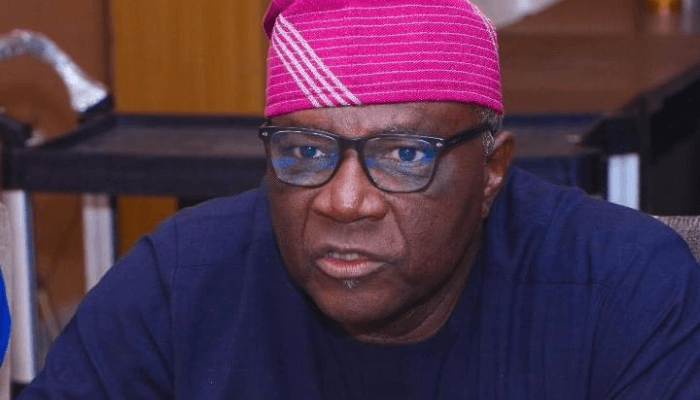
Bayo Onanuga is 68 years old, just four years older than Peter Obi, who is 64. With decades of experience as a veteran journalist and a reputation built during the struggle against Nigeria’s military dictatorships, one would have expected Onanuga to remain a fearless voice of accountability or even evolve into a formidable political leader.
After his failed attempt to become senator representing Ijebu East, many believed he would regroup, armed with experience, moral authority, and the credibility to challenge for the presidency in 2023 or 2027. After all, his storied history of fighting military dictatorships and championing good governance appeared to qualify him better than many of those holding power today.
Instead of rising to that expectation, however, Onanuga seems to have settled into a role of defending those in authority. In the biting words of Senator Ali Ndume, “Onanuga tried to become a senator but ended up becoming a senior domestic servant.” While harsh, the statement reflects a growing public perception.
Now visibly obsessed with Peter Obi, a younger political figure, Onanuga dismissively labelled him “Mr. Bitter Peter” for daring to call out the government’s unnecessary delay in paying allowances owed to the Super Eagles at AFCON in Morocco. This criticism came despite the same government’s readiness to write off trillions of naira in debts for favoured agencies.
The obvious question for Bayo Onanuga is this: what exactly is wrong with Peter Obi’s observation? Is it not patriotic to question misplaced priorities? Is it not responsible citizenship to demand accountability from those in power?
Ironically, this is the very role Onanuga himself once played during the Abacha era, a role that led to his arrest and eventual flight into exile. Back then, he was celebrated for speaking truth to power. Today, he mocks others for doing the same.
If calling out injustice makes Peter Obi “bitter,” then Bayo Onanuga can only be described as sour for abandoning that tradition.
VERDICT
History is rarely kind to those who abandon principle for convenience. Bayo Onanuga’s reaction reflects a troubling transformation, from a fearless journalist to a defender of the very excesses he once opposed. In the court of public conscience, bitterness may sting, but sour compromise leaves a far worse aftertaste.