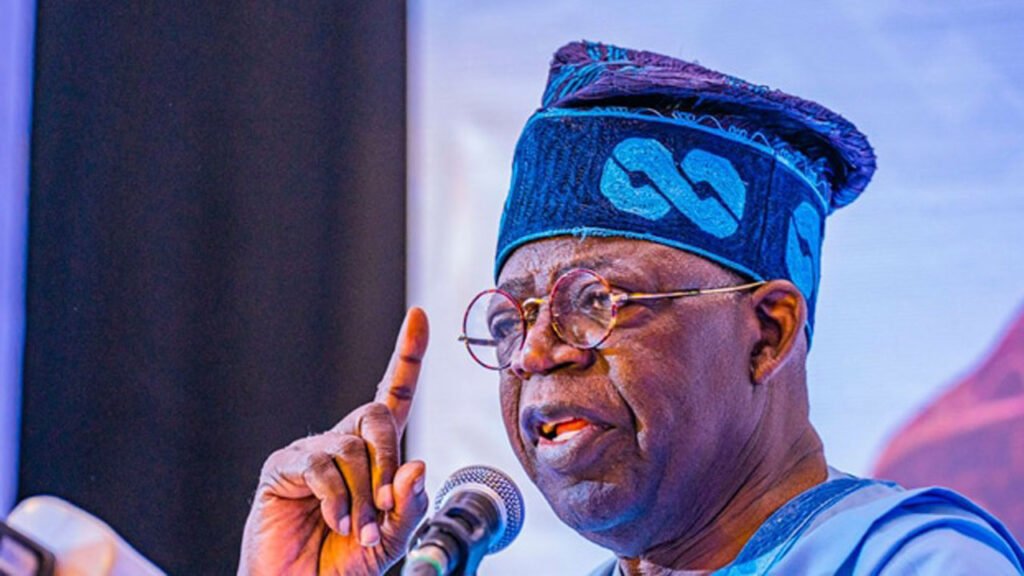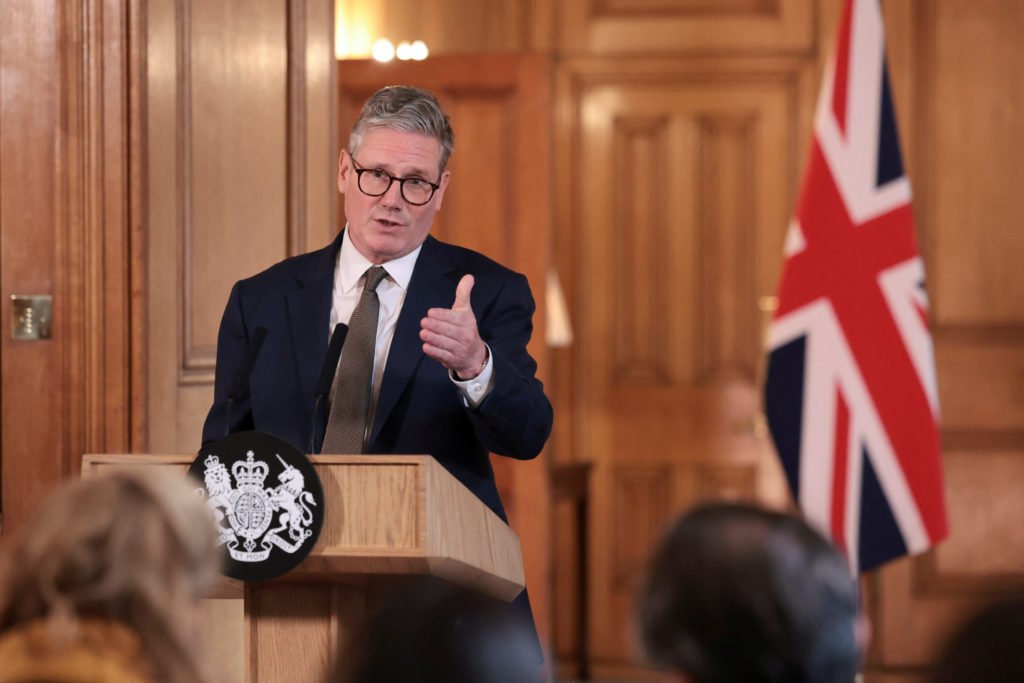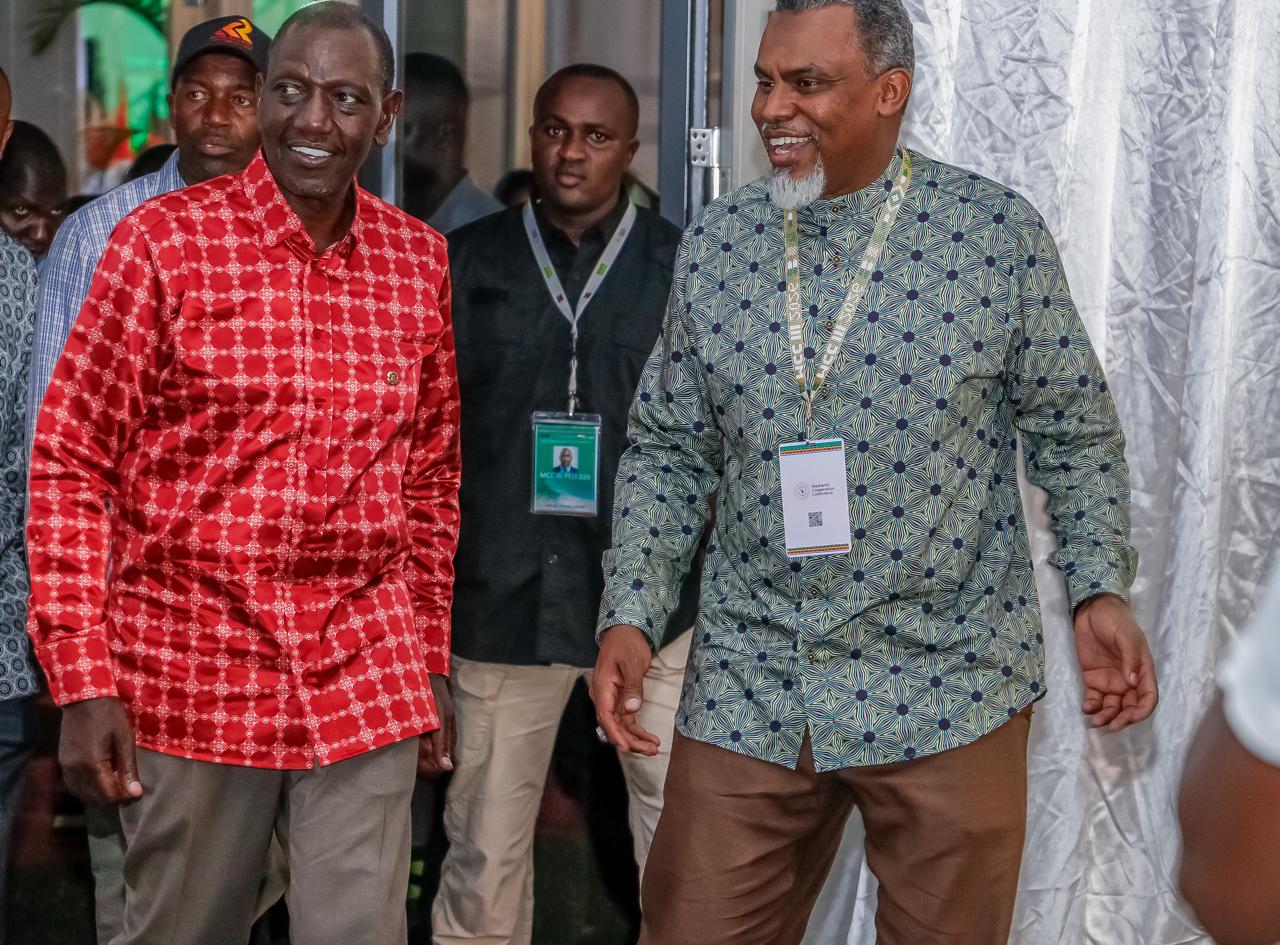
When Kenyan President William Samoei Ruto stepped to the podium in Diani to close the Mashariki Cooperation Conference 2026, he delivered more than a routine thank-you speech. He set out a clear roadmap for how African nations must confront an era in which climate change, terrorism, violent extremism, and technological disruption collide with national security in unprecedented ways.
The Mashariki platform — whose name evokes the “East” in Kiswahili — has become a significant forum where intelligence chiefs and security leaders from the region meet away from the glare of the cameras to tackle shared threats. In his address, President Ruto repeatedly returned to two core ideas: security is no longer a national affair, and intelligence is the quiet engine of effective governance.
He praised the “meticulous organisation” of the conference by Kenya’s National Intelligence Service and reminded delegates that the true measure of their gathering would not be the quality of their discussions but “the strength of our follow-through.” Insight, he said, must become action; commitment must become sustained implementation.
The President painted a sobering picture of an interconnected world in which geopolitical shifts and rapid technological change create complex transnational threats. Yet his tone was optimistic. He portrayed intelligence cooperation not as a secretive enterprise but as a strategic tool that provides foresight, protects constitutional order, and opens discreet diplomatic channels that formal talks sometimes cannot reach.
For many in the room — seasoned intelligence chiefs who rarely speak publicly — the message carried particular weight. Their often unseen work enables governments to shift from reaction to anticipation. President Ruto acknowledged this reality, describing intelligence as “a pillar of governance and statecraft” on which every policymaker relies.
As the flags of Kenya and the conference fluttered gently in the coastal breeze, the President ended on a note of partnership. Kenya, he said, remains a committed convener and trusted partner in advancing peace and security across the region and the continent.
In his closing remarks, Kenyan President William Ruto delivered one of his most candid assessments yet of the continent’s premier institution. He declared that the African Union (AU), in its current form, is “not fit for purpose” and lacks the capacity to provide the leadership Africa needs as it heads into a future marked by rapid demographic growth, complex security threats, geopolitical shifts, and economic ambitions.
“I can tell you without an iota of doubt that the African Union, as it is today, is not fit for purpose. It is not fit to provide the leadership this continent needs for the future. Therefore, there is a need for the reform of the African Union,” Ruto stated.
The President revealed that his fellow African heads of state have entrusted him with spearheading the reform process, tasking him with reviewing and restructuring the AU’s institutions and organs to make them more efficient, accountable, and responsive to contemporary challenges. He specifically urged intelligence leaders present at the conference to play a central role in shaping this new framework, emphasizing that security architecture must underpin any meaningful continental progress.
Ruto’s remarks come against the backdrop of ongoing AU institutional reform discussions, in which he has previously served as Champion. Earlier in 2025 and February 2026, he presented progress reports on restructuring AU organs, improving the division of labor between the AU, Regional Economic Communities (RECs), and member states, and enhancing peace and security mechanisms. His latest intervention signals a push to accelerate these efforts amid concerns over the AU’s ability to address issues like coups, terrorism, climate-induced conflicts, and the opportunities presented by Africa’s youthful population — projected to make up about a quarter of the global total in coming
The real test, however, lies ahead. Whether the handshakes and agreements forged in Diani this week translate into stronger joint operations, better information sharing, and more resilient African security institutions will determine if the Mashariki Cooperation Conference 2026 becomes just another annual meeting — or a turning point in the continent’s collective security journey.