By Dr. Eze Emmanuel Eze
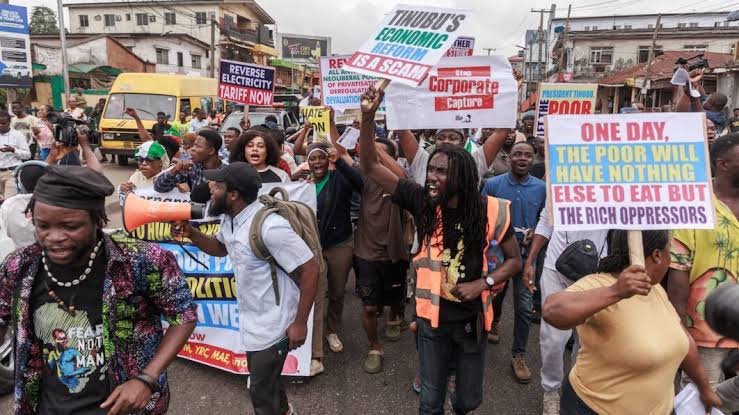
The ashes of the 2023 election heist, the worst in Nigeria’s history may yet turn into an unstoppable awakening. What was meant to be a democratic triumph became a national heartbreak. But from that pain, something is stirring – something deeper than protest, louder than silence. Nigeria’s broken elections are sparking a grassroots reinvention of democracy. Ordinarily, collapse breeds despair. But in for the young Nigerians, collapse birthed courage.
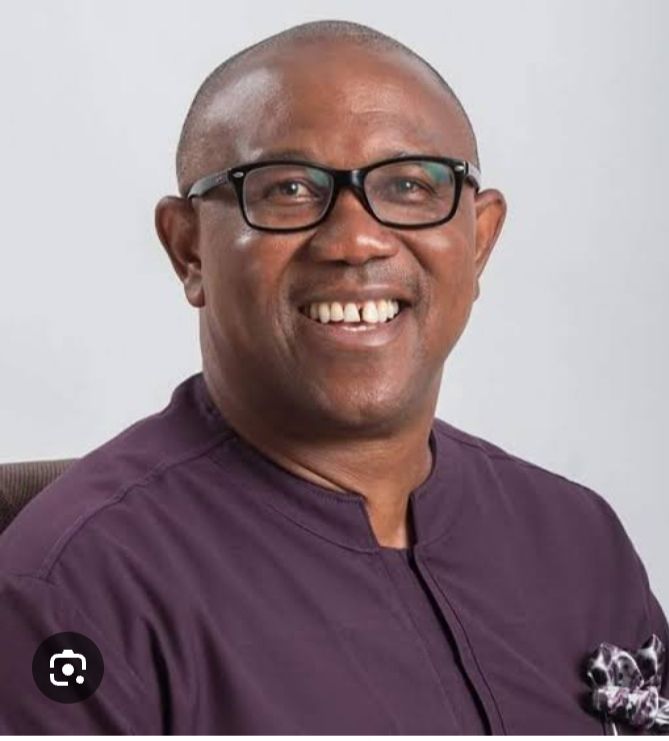
The oppressed were expected to bend backward and take the madness of 2023 lying low. But they didn’t. Mr. Peter Obi, who many refer to as the “People’s President,” and his Obidient Movement refused to be silenced. Instead of fleeing the country in a wave of japa, they dug in. Instead of becoming symbols of defeat, they became architects of antifragility (turning pain into purpose and betrayal into blueprint).
When ballot boxes disappeared and results were delayed in 2023, citizens stood their ground. They pushed back not with violence, but with sustained resistance, demanding more from the Independent National Electoral Commission (INEC), which had become a symbol of dysfunction.
This collapse has birthed courage, with change emerging from the streets, classrooms, and code labs, not from the corridors of power. At the heart of this resilience is Mr. Peter Gregory Obi, a man whose rise to political eminence lacked a traditional political machine and with his appeal to a new demographic fits into what Donald Rumsfeld referred to as an “unknown unknown” factor, took the old political guard by surprise. His surprising performance in the 2019 election set a new precedent, challenging the established order and laying the groundwork for the current movement.
But, the Obidients are not waiting for official reforms; they are building a new system themselves. In Lagos, a team of tech developers Ayomide and Chika, along with a network of civic hackers, created platforms to crowdsource election results and expose anomalies in real time. These tools are inherently antifragile, growing stronger with each challenge they face. In the political restive creeks of Niger Delta, Efe has developed an digital animation series using Google’s Eveo software to explain the voting process in short movie series.
In Kano, a retired teacher named Amina hosts “Democracy Circles,” where neighbours gather to discuss electoral laws and civic rights, transforming her compound into an incubator for democratic literacy. As these grassroots efforts multiply, a new kind of trust is emerging; one built not on institutions but on resilient, distributed networks. Citizens are forming alliances of observers, journalists, and civil society groups, creating a safety net where information is shared and amplified.
Political parties are beginning to splinter, with younger, more accessible voices leading reformist factions. These new leaders are embracing transparency through open primaries and digital town halls, understanding that credibility in the digital age is earned, not inherited. Even the judiciary is feeling the pressure as legal watchdogs and concerned citizens track rulings and live-tweet court proceedings, forcing a traditionally opaque system to bend toward accountability.
While a barrage of attacks has been directed at Obi, many observers see this as a sign that the status quo is threatened. For instance, Obi’s pledge to serve a single term has become a national debate, even though similar promises from other politicians like Atiku and Amaechi received little attention. What’s particularly notable is the criticism coming from within his own kinsmen, a situation described by some as “Ilo Uno” a betrayal from within.
As hack writers and merchant opinion leaders are procured to discuss whatever concerns Mr. Peter Obi, federal contracts worth trillions are being awarded without due process. Appointments into federal boards and parastatals are made in flagrant disregard for the federal character principle.
Gradually, Nigeria has been balkanized by those who said they did not believe in one Nigeria, as sections of the country and some states are being considered for federal attention in the allocation of amenities and appointments.
Sadly, while Nigerians are debating a man’s desire to be in office for just four years, those in charge of the country’s patrimony are busy running the government as their personal estate. But in all, we must not remove attention from our quest from credibility, competence, character, and consistency, which are virtues that Mr. Peter Obi parades.
Liars and deceivers should not sponsor noise about his choice to do the remaining four years of the eight years allotted to Southern Nigeria by the zoning principle between North and South.
For the old guard, the only option left was to join the ruiners of Nigeria. If you can’t beat them, join them. Many did, quietly merging into the ruling party, inching Nigeria toward a one-party state. But not the young Obidients. They chose resistance.
This politicization of Obi’s every move appears to be a clever distraction from more serious issues, such as government appointments that disregard the federal character principle and contracts worth trillions awarded without due process. The goal, it seems, is to divert attention from a government that is running the country as a personal estate.
As we march towards 2027, the North, made up of Buhari’s 12.7 million voters must join forces with Obi’s 10 million Obidient voters. Together they hold the ace in this burgeoning resistance. Leading voices from the North are admitting they imposed Tinubu in 2023. In 2027, the North has Obi as an instrument of rescue by upholding truth, fairness, and equity. These are the steps to Nigeria’s healing.
Expectedly, 2027,elections may still be messy, but they will be contested by a more engaged citizenry. Voter turnout is expected to increase, independent voices will gain traction, and electoral debates will be dissected online. The culture of silence is giving way to a culture of questioning.
Nigeria’s electoral collapse was not the end; it was a stressor that revealed what needed to be rebuilt stronger. The pain of betrayal became the fuel for reinvention. In the ashes of that disappointment, Nigerians have planted seeds of deliberate, defiant change. The result may not be a perfect democracy, but a living one—messy, contested, and alive with the spirit of a people who have reclaimed their power, one piece at a time.
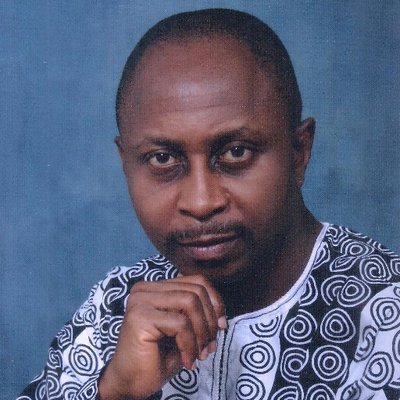
Dr. Ezeh Emmanuel Ezeh, a public policy consultant, wrote this on his Facebook page.