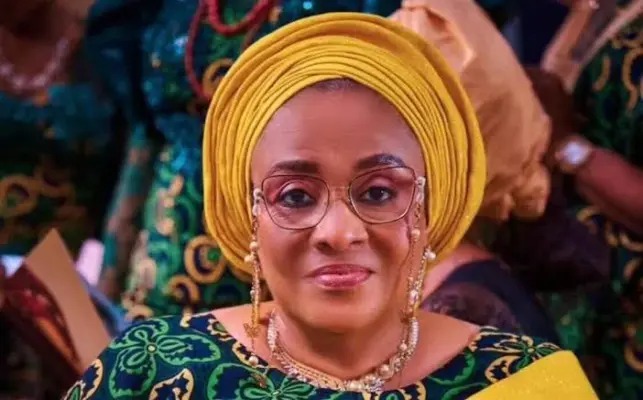
A former First Lady of Oyo State and ambassador-designate to Austria, Florence Ajimobi, has strongly refuted allegations linking her to an alleged plot to influence members of the Oyo State House of Assembly with financial inducements to impeach Governor Seyi Makinde.
In a statement issued by her media office, Ajimobi dismissed the claims as entirely false, baseless, and a calculated attempt to damage her reputation and mislead the public. She described the allegations as a deliberate act of disinformation, insisting that she has no involvement in any scheme to destabilise the government of Oyo State.
“The allegations are completely untrue and should be disregarded by all well-meaning Nigerians,” the statement read. “They are a malicious fabrication aimed at tarnishing my image and creating unnecessary tension in the polity.”
Ajimobi, who is the widow of former Oyo State governor Abiola Ajimobi, emphasized her longstanding commitment to public service and integrity, noting that she would not engage in actions capable of undermining democratic institutions or processes.
Her reaction comes amid a wave of denials from members of the Oyo State House of Assembly who were also linked to the alleged plot. Among them is Gbenga Oyekola, who categorically rejected claims that he or his colleagues had been approached or offered inducements to initiate impeachment proceedings against the governor.
Similarly, the Deputy Speaker of the House, Abiodun Mohammed Fadeyi, distanced himself from the allegations, affirming that there was no such plan within the Assembly to remove the governor from office. He described the claims as unfounded and urged the public to ignore what he termed as misleading narratives.
The denials from both Ajimobi and the lawmakers have cast doubt on the credibility of the allegations, with political observers suggesting that the controversy may be rooted in misinformation or political maneuvering. Analysts note that impeachment is a serious constitutional process that requires substantial legal grounds and broad legislative support, making it unlikely to be driven by clandestine inducements alone.
Despite the widespread rejection of the claims, the issue has stirred conversations within political circles in Oyo State, highlighting the often tense and competitive nature of the state’s political environment. Stakeholders have called for caution, urging individuals and groups to avoid spreading unverified information that could destabilize governance or erode public trust.
Supporters of Governor Makinde have welcomed the swift denials, describing them as necessary to counter what they see as attempts to create confusion and political unrest. They maintain that the governor continues to enjoy the confidence of the legislature and the people of the state.
On her part, Ajimobi reiterated her commitment to national service, particularly as she prepares for her diplomatic role. She urged the public and the media to verify information before dissemination, stressing the importance of responsible communication in preserving democratic stability.
The development underscores the challenges posed by misinformation in the digital age, where unverified claims can quickly gain traction and shape public perception. As the dust settles, many are hopeful that the clarification provided by key actors will help restore calm and refocus attention on governance and development in Oyo State.
For now, the allegations remain firmly denied by all those named, leaving little evidence to support the narrative of an impeachment plot. However, the episode serves as a reminder of the need for vigilance, transparency, and accountability in Nigeria’s political discourse.