By Oluwasore Alabi
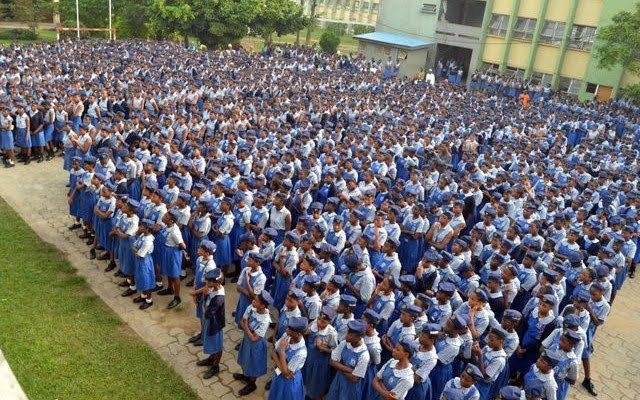
The Federal Government has officially released the revised national curriculum for Nigeria’s basic and senior secondary education, confirming that full implementation will begin in the 2025/2026 academic session.
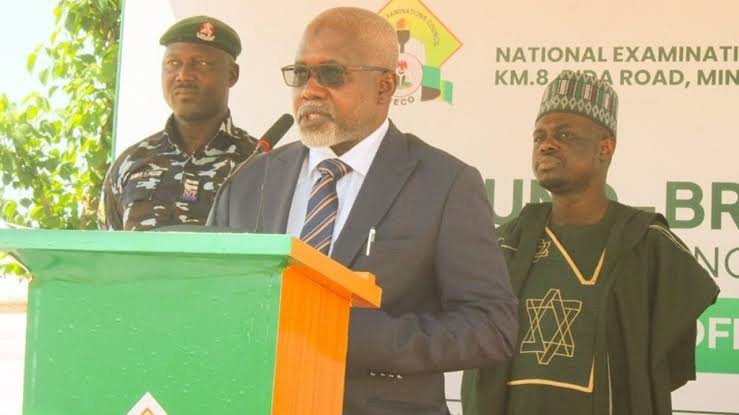
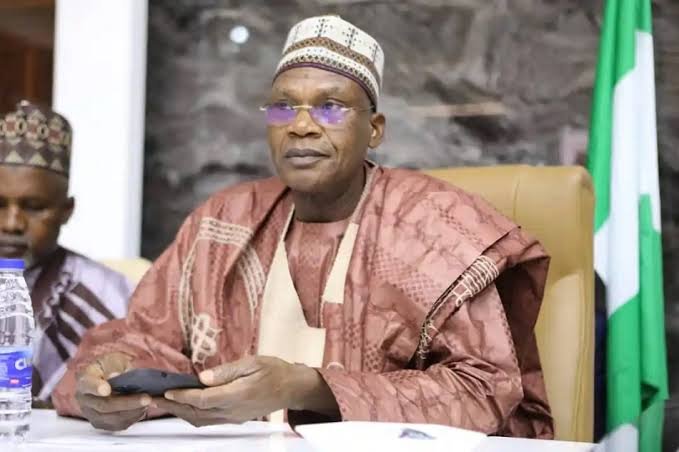
The Nigerian Educational Research and Development Council (NERDC), in a statement signed by its Executive Secretary, Professor Salisu Shehu on September 8, 2025, described the reform as part of broader efforts under the National Education Sector Reform Initiatives (NESRI). The move, according to the Council, is designed to reduce subject overload and promote “positive learning outcomes” for pupils across the country.
The curriculum revision includes changes in subject offerings for pupils in Primary 1 to 6, Junior Secondary School (JSS 1–3), and Senior Secondary School (SS 1–3). It introduces new subjects such as Digital Literacy, Citizenship and Heritage Studies, and practical Trade Subjects like Solar Installation, Fashion Design, and GSM Repairs, with a focus on flexibility, relevance, and early skill acquisition.
According to the official breakdown, pupils in Primary 1–3 will now take 9 to 10 subjects, while those in Primary 4–6 will take up to 13, including optional languages like French and Arabic.
At the junior secondary level, students will study 12 to 14 subjects, including new trade options like Livestock Farming, Beauty & Cosmetology, and Computer Hardware Repairs. This stage introduces hands-on learning, aiming to prepare students for future vocational paths.
For senior secondary school, five core subjects are compulsory: English, Mathematics, Digital Technologies, Citizenship and Heritage Studies, and a chosen Trade Subject. Students will also select from a wide range of science, humanities, and business-related courses.
To address rising concerns about misinformation, the NERDC issued a strong warning to all stakeholders, urging them to disregard any unofficial versions of the new subject lists circulating online or offline. “We fervently call on all critical stakeholders to disregard any other fake and unauthentic list that is at variance with the authentic and approved list provided,” the Council stated.
It also confirmed that nationwide teacher training and sensitization programmes will begin immediately to support the smooth rollout of the curriculum.
While the government insists the new curriculum will equip Nigerian learners with future-ready skills, not everyone is on board.
Some teachers and parents have expressed frustration over what they describe as a sudden and top-down approach. Many argue that there was little or no consultation with those who will implement the curriculum daily in classrooms across the country.
“There are no learning materials, no updated textbooks, and most teachers haven’t even seen the new syllabus,” said a primary school teacher in Lagos who asked not to be named. “We are being asked to teach what we haven’t been trained for.”
Another parent voiced concern over the addition of too many subjects, especially for younger pupils. “We want skills, yes, but we also need to be sure our children are not being overwhelmed,” she said.
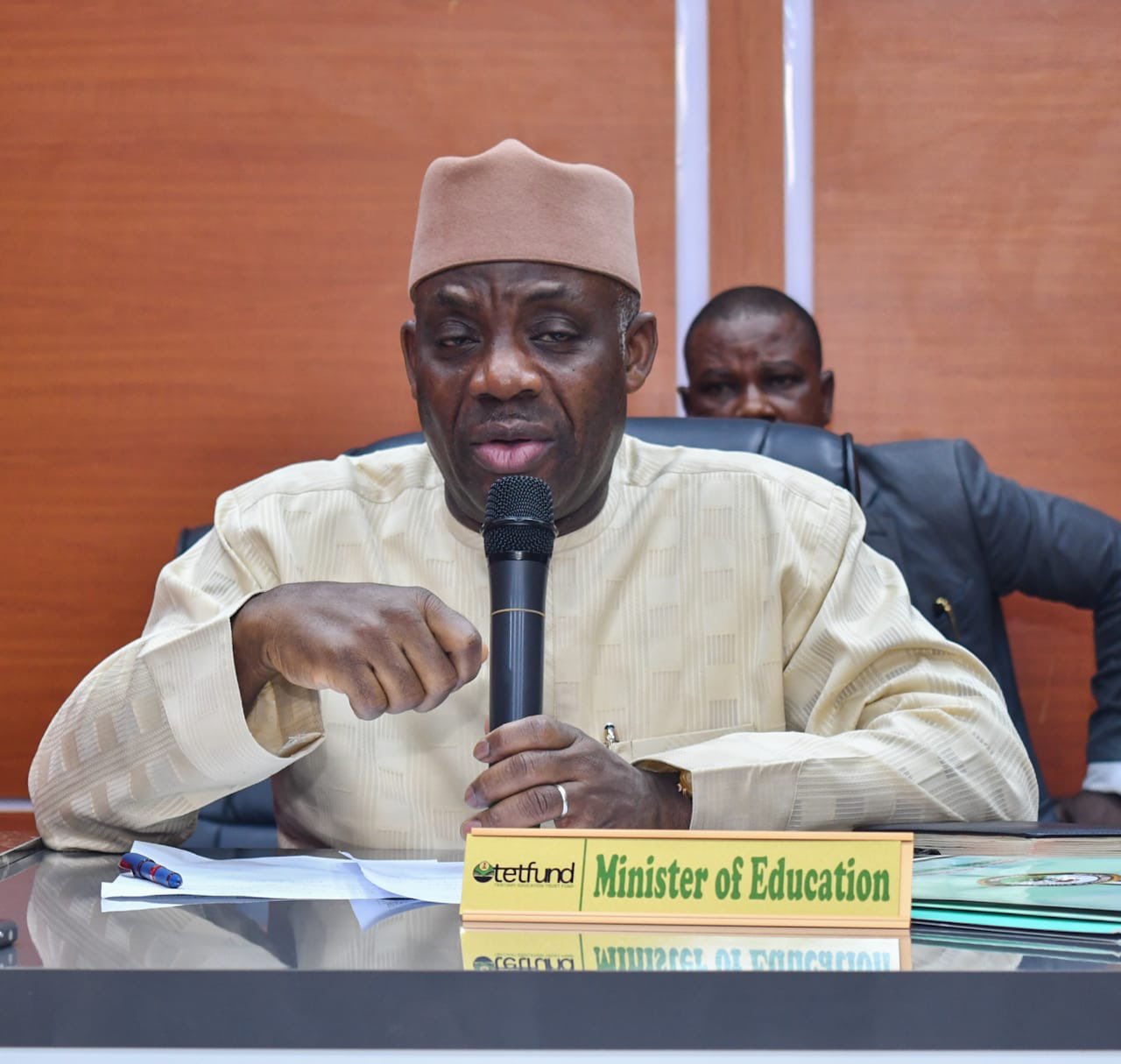
Despite the criticism, the Federal Ministry of Education maintains that the reforms are both timely and necessary. A ministry spokesperson said the review was long overdue and is in line with international best practices.
“The goal is to make learning more practical and useful to national development. We are starting with Primary 1, Primary 4, JSS1, and SS1 so that changes roll out in manageable phases,” the official explained.
As the new school year begins, attention will now turn to how well-prepared schools are to implement the updated curriculum and whether promised training and resources will reach classrooms in time.
For now, the success of this major education reform depends not just on policies and paperwork, but on teachers, parents, and students adjusting to a rapidly changing learning environment.
Follow us on all social media platforms @dailyquery for news and analyses around the globe.