The Federal Government on Monday declared that Nigeria’s tax administration system is entering a new era in which taxpayers would no longer be treated as adversaries of government but as critical partners in the country’s development process.
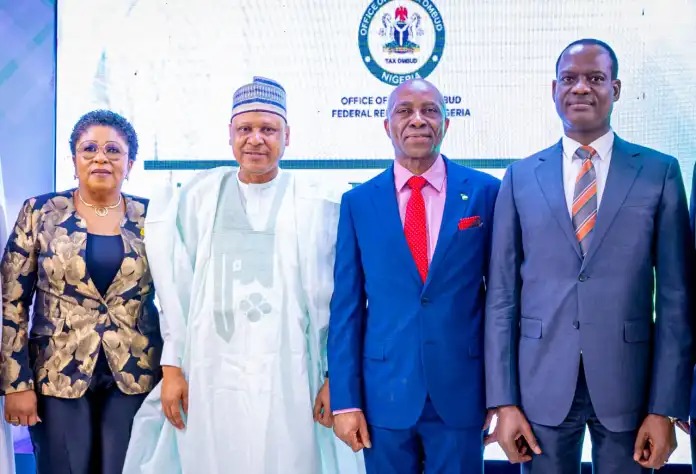
The declaration was made in Abuja by the Chairman of the Presidential Committee on Fiscal Policy and Tax Reforms, Taiwo Oyedele, during the unveiling of the Office of the Tax Ombud’s official website, toll-free call centre, and digital case management platform.
Oyedele, who spoke on behalf of the Federal Government, said the introduction of the new digital platforms represents another milestone in the administration’s broader tax reform agenda designed to create a fairer, more transparent, and user-friendly tax system for Nigerians.
According to him, the reforms are aimed at changing long-standing perceptions about taxation in Nigeria by promoting trust, accountability, and cooperation between citizens, businesses, and government institutions.
He explained that the Office of the Tax Ombud was established to serve as an independent channel through which taxpayers can seek redress, report grievances, and resolve disputes arising from tax-related matters without fear of intimidation or victimisation.
Oyedele noted that for years many Nigerians viewed the tax system as complicated, punitive, and inaccessible, adding that the government is now determined to reverse that narrative through technology-driven reforms and stronger institutional safeguards.
He said the newly launched website and digital complaint management platform would make it easier for taxpayers across the country to file complaints, monitor the progress of their cases, and obtain information about their rights and obligations under Nigeria’s tax laws.
The toll-free call centre, he added, is intended to improve communication between tax authorities and citizens by providing immediate support and guidance to individuals and businesses facing tax challenges.
Speaking during the event, Oyedele stressed that the success of any tax system depends heavily on public confidence and voluntary compliance, noting that citizens are more likely to fulfil their tax obligations when they believe the process is fair and transparent.
He stated that the government’s ongoing reforms are not solely about increasing revenue generation but also about creating a balanced fiscal environment where taxpayers receive respect, protection, and efficient services.
According to him, a modern economy cannot function effectively when taxpayers are treated as suspects rather than stakeholders in national progress.
He said the reforms are aligned with President Bola Tinubu’s economic transformation agenda, which seeks to strengthen domestic revenue mobilisation while improving the ease of doing business in the country.
Oyedele further explained that the digitalisation of tax processes would reduce bureaucratic bottlenecks, minimise human interference, and curb opportunities for corruption within the tax administration system.
He maintained that technology would play a central role in building a more accountable and efficient framework capable of supporting economic growth and improving government service delivery.
The tax reform chairman also noted that small businesses and informal sector operators would benefit significantly from the reforms, as the government intends to simplify tax procedures and reduce unnecessary burdens that discourage compliance.
He assured Nigerians that the administration remains committed to ensuring that tax policies are implemented with fairness and sensitivity to the economic realities facing citizens and businesses.
Stakeholders at the event described the unveiling of the Tax Ombud platforms as a major step toward strengthening taxpayer protection and improving confidence in Nigeria’s fiscal institutions.
They noted that dispute resolution mechanisms are critical in modern tax systems because they help build trust, encourage compliance, and reduce prolonged conflicts between tax authorities and taxpayers.
Analysts also believe that the introduction of digital complaint resolution systems could improve transparency and accountability by allowing taxpayers to track the handling of their complaints in real time.
The Office of the Tax Ombud is expected to serve as an intermediary institution that addresses complaints relating to tax assessments, enforcement actions, administrative delays, and alleged abuse of authority by tax officials.
Observers say the initiative reflects the government’s growing emphasis on institutional reforms and digital innovation as tools for strengthening governance and improving public service delivery.
Nigeria has in recent years embarked on several fiscal and tax reforms aimed at broadening the tax base, improving compliance, and reducing dependence on oil revenues.
The reforms have also focused on harmonising taxes, eliminating multiple taxation, and creating a more investment-friendly environment capable of attracting local and foreign investors.
Monday’s unveiling of the digital platforms is seen as another significant step in the government’s efforts to modernise the nation’s tax administration system and deepen public participation in fiscal governance.
As the reforms continue to unfold, officials say the government hopes to foster a culture where taxation is viewed not merely as a legal obligation but as a shared responsibility for national growth and development.