As global uncertainties deepen and economic pressures mount, the Federal Government of Nigeria has announced plans to pursue cheaper funding options and strengthen international financial partnerships to stabilize the nation’s economy.
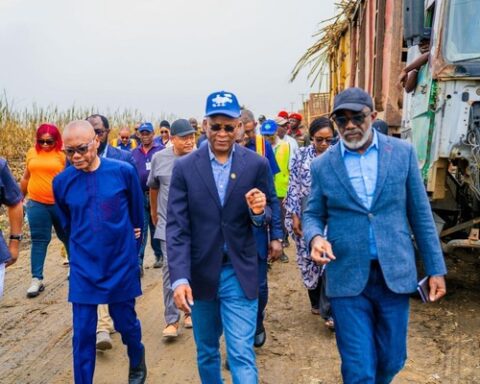
The disclosure was made in a media brief issued on Monday by Ogho Okiti, Special Adviser to the Minister of Finance and Coordinating Minister of the Economy on Media and Communications. The statement comes just days before Nigeria’s delegation departs for the highly anticipated IMF and World Bank Spring Meetings 2026 scheduled to hold in Washington, DC.
According to the brief, the country is navigating a complex economic landscape shaped by intensifying geopolitical tensions, particularly the ongoing US–Israel–Iran conflict. The crisis has sent ripples through global markets, disrupting energy supplies, tightening financial conditions, and fueling inflationary pressures across both advanced and emerging economies.
For Nigeria, the consequences have been immediate and multifaceted.
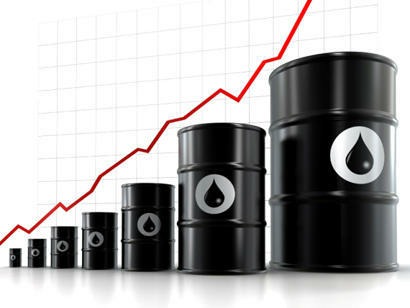
Rising global oil price volatility—triggered by uncertainties in key producing regions—has created a paradox for Africa’s largest oil producer. While higher crude prices can boost government revenues, they also increase domestic costs, especially for refined petroleum products, thereby exacerbating inflation and straining household incomes.
At the same time, global financial tightening has made borrowing more expensive for developing economies. As interest rates remain elevated in major economies, capital flows to emerging markets like Nigeria have become more unpredictable, placing additional pressure on exchange rates and foreign reserves.
In response, the Federal Government is now looking outward, seeking concessional financing and strategic support from international partners. Officials say the upcoming meetings of the International Monetary Fund and the World Bank will provide a critical platform to engage global stakeholders, negotiate better funding terms, and explore innovative financing mechanisms.
“We are focused on securing affordable financing that aligns with our development priorities,” the statement noted. “In a time of global uncertainty, collaboration with international financial institutions and development partners is essential to sustain economic reforms and protect vulnerable populations.”
The government is also expected to use the meetings to highlight ongoing economic reforms aimed at improving fiscal discipline, boosting revenue generation, and enhancing investor confidence. These include efforts to streamline public spending, expand the tax base, and support key sectors such as agriculture, infrastructure, and digital innovation.
Economic analysts suggest that Nigeria’s approach reflects a broader shift among developing nations seeking resilience in an increasingly fragmented global economy. With geopolitical conflicts reshaping trade routes, energy dynamics, and financial systems, countries are being forced to rethink traditional funding models and diversify their economic partnerships.
Back home, the impact of global shocks continues to be felt in everyday life. Rising food prices, currency fluctuations, and increased cost of living have placed significant strain on Nigerians, making the government’s search for relief measures even more urgent.
Yet, amid the challenges, there is cautious optimism.
Officials believe that with the right mix of international support and domestic policy reforms, Nigeria can weather the current storm and emerge stronger. The emphasis, they say, is not just on short-term relief but on building a more resilient and inclusive economy capable of withstanding future global shocks.
As the world’s financial leaders prepare to converge in Washington, Nigeria’s message is clear: in a time of uncertainty, cooperation, innovation, and strategic financing will be key to securing economic stability and long-term growth.