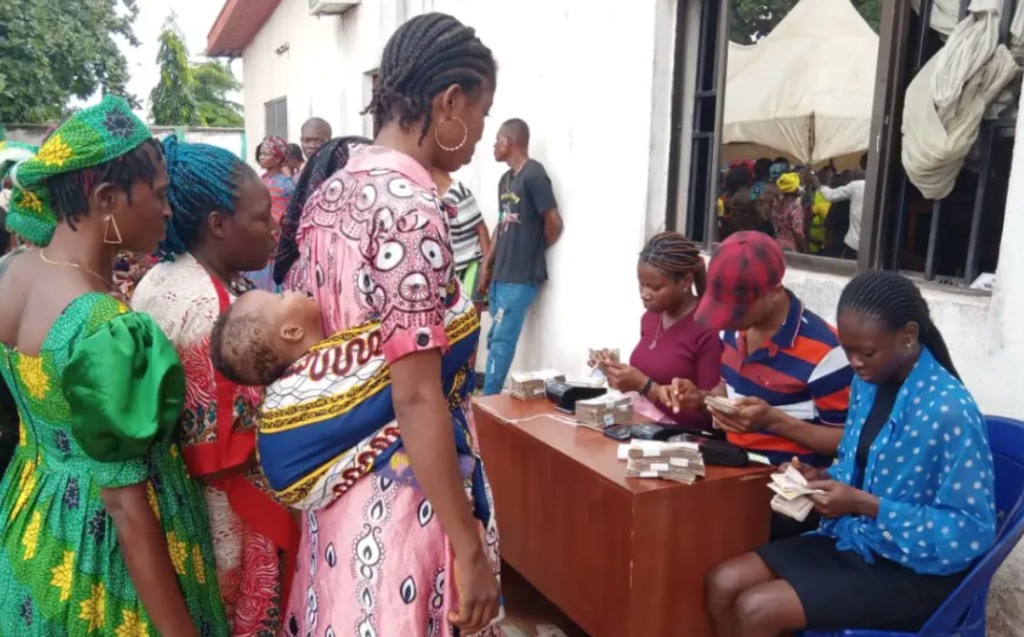
The Federal Government of Nigeria has officially commenced a nationwide direct cash transfer initiative offering N50,000 monthly to millions of vulnerable households to cushion the impact of rising living costs.
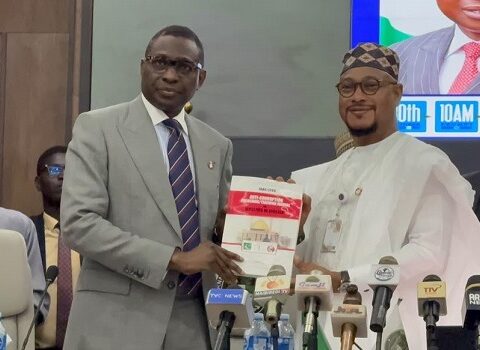
The initiative, officially designated as the National Emergency Relief and Stabilisation Intervention, was launched on Friday, October 30, 2026, during a press briefing at the Ministry of Humanitarian Affairs and Poverty Reduction headquarters in Abuja.
Targeted primarily at low-income families identified through verified national identity records and the National Social Register, the relief package aims to provide immediate financial breathing room.
Payments are being routed directly into beneficiaries’ digital mobile wallets or financial institution accounts through licensed operators, including ALAT by Wema Bank, MoMo PSB, and NairaGram.
To consent to the transfer and activate their monthly funds, eligible citizens receive an official text prompt on their registered mobile phones instructing them to complete activation using shortcodes such as *945*23#, *671*0#, or *726*00#.
Speaking at the briefing, the Minister of Humanitarian Affairs and Poverty Reduction, Dr. Bernard Doro, framed the cash injection as a critical component of President Bola Ahmed Tinubu’s social welfare agenda.
”We recognise the challenges many Nigerians are facing,” Dr. Doro said. “The ministry is committed to delivering this intervention with dignity, transparency, and accountability. Under this intervention, eligible beneficiaries will receive N50,000 monthly to help meet essential household needs and ease the burden of rising living costs.”
Addressing potential security risks and fraudulent schemes targeting vulnerable recipients, ministry spokesperson Iliya Rhoda Ishaku clarified that the program requires no payment or formal application process.
Ishaku stressed that the government will never ask citizens to pay registration fees, visit unverified third-party agents, fill out unofficial online forms, or disclose sensitive credentials like Bank Verification Numbers (BVN), PINs, or One-Time Passwords (OTPs).
Members of the public seeking to verify communications regarding the disbursements are advised to call the official intervention helpline or consult the ministry’s designated portal.