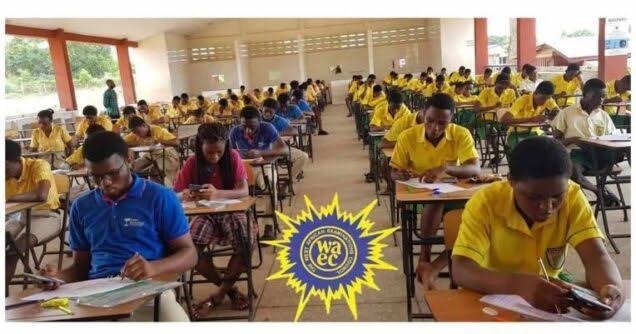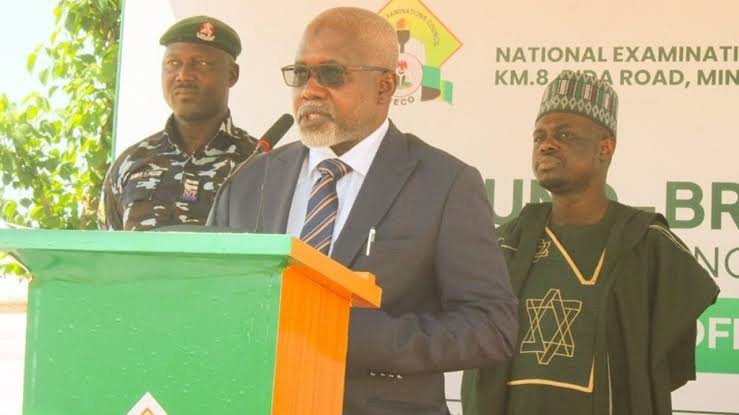
The Federal Government has officially suspended its controversial plan to hike registration fees for the 2027 West African Senior School Certificate Examination (WASSCE) and National Examinations Council (NECO) BusinessDay exams.
The decision follows intense public backlash Nairametrics via Instagram and widespread criticism from key education stakeholders and political figures.
In a statement released on Monday, July 13, 2026 Channels Television, by Folasade Boriowo, the Director of Press and Public Relations PRNigeria for the Federal Ministry of Education, the government announced it had completely withdrawn the June 18, 2026 directive that originally approved the fee increase.
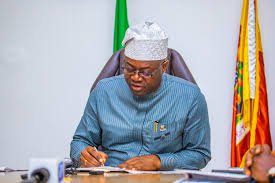
The Minister of Education, Dr. Maruf Tunji, ordered the 82% price increase to be put on immediate hold to give room for broader, more transparent consultations.
The initial proposal sought to dramatically increase standard registration fees:
* Current Registration Fee: ₦27,500
* Proposed Uniform Fee: ₦50,000
* Total Percentage Increase: 82%
The proposed change was designed to align both examination bodies under a single, unified pricing structure. However, the sudden spike drew severe condemnation. Former Vice President Atiku Abubakar and the National Association of Nigerian Students (NANS) heavily criticized the policy, pointing out the immense financial hardship it would inflict on families navigating the country’s harsh economic climate.
Defending the original proposal, the Ministry of Education highlighted that fees have remained static for years while the actual costs of conducting nationwide examinations have skyrocketed. Examination bodies have faced immense pressure due to the rising expenses of:
* Logistics and secure transport
* Printing high-security examination materials
* Staffing and administrative deployment
* Technology and biometric systems
The Ministry of Education assured the public that the ₦50,000 price point will not take effect until a massive, structured review is complete.
Moving forward, the government plans to sit down with state ministries, school proprietors, organized labor, and parent-teacher associations Federal Ministry of Education to formulate a sustainable pricing strategy that supports the operational reality of the exam boards without locking ordinary Nigerian children out of an education.