The Federal Government has described the recent report by United States Congressional Committees on Nigeria as a catalyst for deeper engagement and broader cooperation between both nations.
While acknowledging that parts of the country continue to grapple with serious security challenges, the government firmly maintained that Nigeria does not have, and has never had, a state policy of religious persecution.
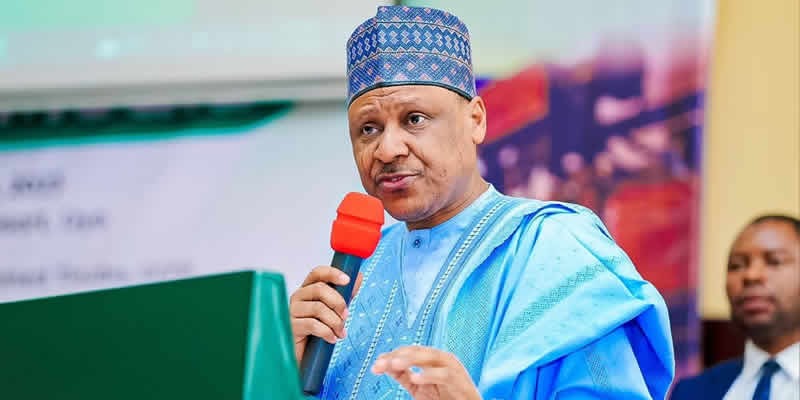
Minister of Information and National Orientation, Mohammed Idris, made this known in a statement issued yesterday. He explained that the violence being confronted by the nation’s security agencies is not driven by government policy or religious bias, but by complex and multifaceted security threats.
According to him, these threats include terrorism, organised criminality, and longstanding communal tensions that predate the current administration. He stressed that portraying the situation as religious persecution oversimplifies the realities on the ground and risks undermining ongoing efforts to restore peace and stability.
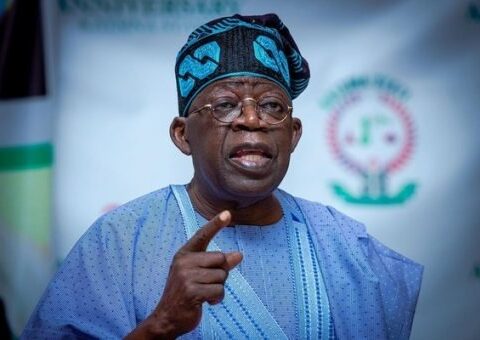
The minister highlighted measures undertaken by the administration of President Bola Tinubu to address insecurity, including strengthened and coordinated military and law enforcement operations across affected regions. He noted that security agencies have intensified intelligence gathering, improved inter-agency collaboration, and enhanced community engagement initiatives to tackle the root causes of violence.
The government’s reaction follows allegations of genocide against Christians raised last year by U.S. Congressman Riley Moore. In response to the claims, a United States Congressional team visited Nigeria on a fact-finding mission to assess the situation firsthand.
The Federal Government said it welcomed the visit and viewed it as an opportunity to provide clarity, share verified data, and strengthen mutual understanding between Nigeria and the United States.
Reaffirming Nigeria’s commitment to religious freedom and constitutional rights, the minister said the government remains open to constructive international partnerships aimed at combating insecurity and promoting national unity.
He expressed optimism that continued dialogue and collaboration with U.S. institutions would further reinforce diplomatic ties and support joint efforts to address shared security concerns.