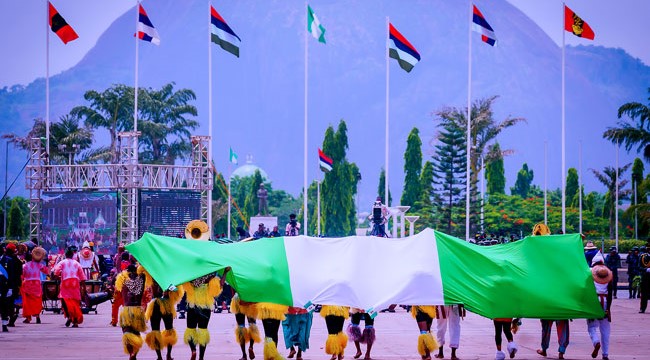
The Federal Government has declared Friday, June 12, 2026, a public holiday to mark this year’s Democracy Day celebration, reaffirming its commitment to preserving the nation’s democratic ideals and honouring the sacrifices of those who fought for civil rule in Nigeria.
The announcement was made on Thursday by the Minister of Interior, Olubunmi Tunji-Ojo, through a statement issued by the Permanent Secretary of the Ministry of Interior, Magdalene Ajani. According to the minister, June 12 remains one of the most important dates in Nigeria’s political history, symbolising the collective struggle of Nigerians for democratic governance, freedom, justice, and national development.
Tunji-Ojo noted that the annual celebration serves as an opportunity for citizens to reflect on the country’s democratic journey and appreciate the resilience of individuals and groups who stood firm during periods of political uncertainty and military rule.
“June 12 remains a significant day in Nigeria’s history in honour of the courage, resilience and sacrifices of Nigerians whose efforts made democratic governance possible in this country. Their legacy continues to inform the values and responsibilities of the Nigerian state,” the minister stated.
The declaration of the public holiday comes as preparations intensify across the country for activities commemorating Democracy Day, a national event that has become a symbol of Nigeria’s commitment to democratic governance since its official recognition by the Federal Government.
June 12 holds a special place in Nigeria’s political history because of its association with the 1993 presidential election, widely regarded as one of the freest and fairest elections ever conducted in the country. The election, believed to have been won by the late businessman and politician, Chief Moshood Kashimawo Olawale Abiola, was annulled by the military government, triggering widespread protests and a prolonged struggle for the restoration of democracy.
The annulment sparked years of political agitation, civil resistance, and advocacy by pro-democracy groups, activists, journalists, and ordinary Nigerians who demanded an end to military rule and the return of democratic governance. Many paid a heavy price for their participation in the struggle, while others lost their lives in the quest for a democratic Nigeria.
Since the restoration of democracy in 1999, the country has continued to strengthen its democratic institutions despite numerous challenges. In 2018, the Federal Government officially moved Democracy Day celebrations from May 29 to June 12 in recognition of the historical significance of the date and the sacrifices made by democratic activists.
Tunji-Ojo stressed that Democracy Day is not merely a public holiday but a reminder of the responsibility placed on both leaders and citizens to protect democratic values, uphold the rule of law, and contribute to national development.
He urged Nigerians to use the occasion to reflect on the progress made by the nation over the years while renewing their commitment to unity, peace, and active participation in the democratic process. The minister also encouraged citizens to remain hopeful about the future of the country and to continue supporting efforts aimed at strengthening democratic institutions and promoting good governance.
Political analysts say the annual observance of Democracy Day has become an important platform for assessing Nigeria’s democratic growth, highlighting achievements, and identifying areas that require improvement.
They note that while challenges such as insecurity, economic difficulties, corruption, and electoral concerns persist, the country has continued to sustain uninterrupted democratic governance for more than two decades.
Across the federation, government institutions, civil society organisations, educational institutions, and political groups are expected to organise lectures, public discussions, and commemorative events to celebrate the significance of June 12 and educate younger generations about the nation’s democratic history.
The declaration of Friday as a public holiday means that government offices, schools, banks, and many private establishments will suspend normal operations for the day, allowing Nigerians to participate in Democracy Day activities and reflect on the nation’s democratic journey.
As the country marks another Democracy Day, the Federal Government reiterated its commitment to building a stronger and more inclusive democracy, while honouring the memories of those whose sacrifices paved the way for the freedoms Nigerians enjoy today.
For many citizens, June 12 remains more than a date on the calendar; it is a powerful symbol of the triumph of the people’s will, the resilience of democratic institutions, and the enduring hope for a more prosperous and united Nigeria.