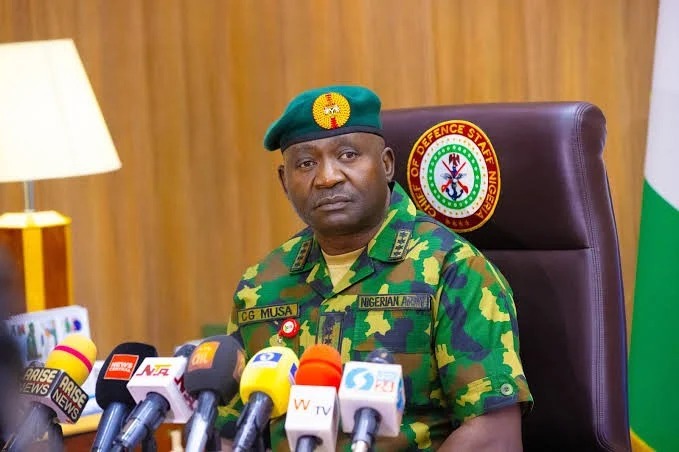
The Federal Government has unveiled plans to introduce a new initiative that would allow journalists to accompany military personnel during selected operations, a move aimed at strengthening security reporting and providing Nigerians with firsthand accounts of the country’s ongoing fight against insecurity.
The proposal, which is still under consideration, was disclosed on Thursday by the Minister of Defence, General Christopher Musa, during the National Security Summit organised by the Nigeria Union of Journalists (NUJ) in Abuja. The minister, who was represented at the event by his Special Adviser, Rear Admiral Olusanya Bankole, said the initiative was designed to bridge the information gap between security agencies, the media and the public.
According to him, the Federal Government recognises the critical role journalists play in shaping public understanding of security issues and believes that closer collaboration between the media and the military would help ensure more accurate and balanced reporting of security operations across the country.
The proposed arrangement, commonly referred to in some countries as “embedded journalism,” would enable selected journalists to accompany military personnel during approved operations.
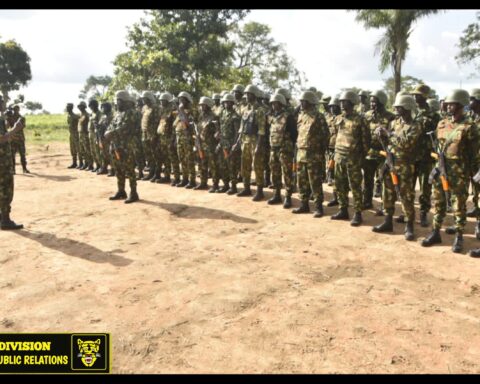
Through direct observation, reporters would gain a better understanding of the challenges faced by troops on the frontlines and the realities of counterinsurgency efforts, anti-banditry operations and other security missions.
General Musa noted that misinformation and speculation often thrive in situations where reliable information is scarce. By granting journalists controlled access to military operations, the government hopes to promote transparency while providing credible information to citizens.
He explained that security operations are often complex and demanding, involving significant risks and sacrifices by military personnel. Allowing journalists to witness some of these operations firsthand would help tell the stories of troops more accurately and showcase the efforts being made to safeguard lives and property.
The defence minister stressed that the initiative would be carefully managed to ensure that operational security is not compromised. He assured stakeholders that any media participation would be subject to strict guidelines and protocols designed to protect both journalists and military personnel.
Speaking further, he emphasized that national security is a collective responsibility that requires cooperation among government institutions, security agencies, the media and citizens. He said the military remains committed to fostering mutual trust and understanding with journalists, whose reports significantly influence public perception.
The announcement generated considerable interest among participants at the summit, many of whom viewed the proposal as a positive step toward enhancing accountability and transparency within the security sector.
Media practitioners present at the event argued that direct access to military operations could help address long-standing challenges associated with reporting security issues. Journalists often rely on official statements and secondary sources when covering conflicts and security threats, making it difficult to independently verify certain claims.
Some stakeholders noted that embedded journalism has been successfully used in several countries during military campaigns and conflict situations, providing the public with detailed insights into the realities of warfare and security operations. They argued that adopting a similar model in Nigeria could strengthen public confidence in security institutions while promoting factual reporting.
However, experts also cautioned that such a programme would require comprehensive training and clear operational guidelines. They emphasized the need to balance transparency with the protection of sensitive military information that could potentially endanger ongoing missions if improperly disclosed.
At the summit, discussions focused broadly on the role of the media in national security, the fight against misinformation, and the importance of responsible journalism in times of crisis. Participants highlighted the growing influence of digital media and the need for journalists to verify information before publication, particularly on security-related matters.
General Musa reiterated that the government values the contributions of the media in promoting peace, national unity and public awareness. He encouraged journalists to continue working professionally and responsibly while supporting efforts aimed at addressing Nigeria’s security challenges.
The proposed initiative comes at a time when the country continues to confront various security threats, including insurgency, banditry, kidnapping and communal conflicts in different regions. Authorities believe that improved communication between security agencies and the media could help foster greater public understanding of ongoing efforts to tackle these challenges.
If approved and implemented, the programme would mark a significant shift in the relationship between Nigeria’s military and the media, opening a new chapter of cooperation aimed at improving public access to credible information while strengthening trust in the nation’s security institutions.
Observers say the success of the initiative will ultimately depend on how effectively both journalists and military authorities work together to uphold professionalism, transparency and national security interests. As discussions continue, many stakeholders view the proposal as an opportunity to deepen democratic accountability and provide Nigerians with a clearer picture of the realities faced by security forces in their efforts to maintain peace and stability across the country.