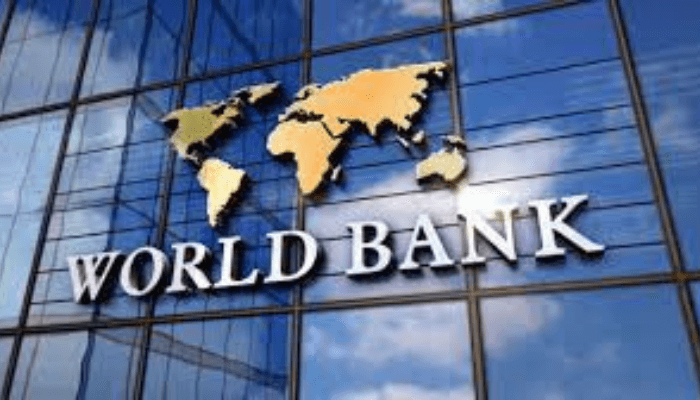
The World Bank dropped a bombshell recommendation asking Nigeria to resume fuel imports to stabilize prices of petroleum products in the country.
The Bank claims that imported petrol is currently about 12% cheaper than Dangote’s refined fuel. They estimated an “import-parity price” of around ₦1,122 per litre, whereas Dangote’s ex-depot price recently sat at ₦1,275.
They argue that liberalizing imports would create a “competitive retail market,” breaking what is effectively a domestic monopoly and lowering the immediate cost of living for Nigerians.
The Federal Government and local experts have flatly rejected this. They view the World Bank’s advice as a violation of the Petroleum Industry Act (PIA), which mandates a transition to local self-sufficiency.
Critics argue that returning to imports would destroy investor confidence just as the Dangote Refinery has proven it can meet up to 50% of national demand.
Nigeria is prioritizing “energy security.” Relying on imports makes the country vulnerable to global shocks like the current US-Iran standoff which have already pushed Brent crude above $100 per barrel this week.
Amidst this policy drama, Aliko Dangote is preparing to launch Africa’s largest-ever Initial
Public Offering (IPO). The refinery is being valued between $40 billion and $50 billion.
The plan is to sell 5% to 10% of the company’s equity, aiming to raise $5 billion to deepen liquidity and possibly pay off existing debts (like the $4bn Afreximbank financing).
In a move to attract foreign investors, regulators are reviewing a structure that would allow people to buy shares in Naira but receive dividends in US Dollars.
While the giants argue over policy, Nigerians are feeling the squeeze. As of April 13, 2026, Petrol is currently dispensing between ₦1,290 and ₦1,350 per litre across Nigeria. Dangote Refinery recently raised its gantry price due to “global market trends,” primarily the tension in the Middle East.
The World Bank wants Nigeria to shop for the lowest price today (imports), while Nigeria is betting the “house” (and $5 billion in shares) that domestic refining is the only way to survive tomorrow.