In a major policy shift aimed at transforming Nigeria’s bureaucracy, the Federal Government has unveiled a comprehensive Public Service Reform Agenda designed to modernize operations, improve service delivery, and restore public trust in government institutions.
Announced during a high-profile ceremony at the Presidential Villa on Monday, the reform package — dubbed the “Renewed Hope for Public Service” initiative — is part of President Bola Ahmed Tinubu’s broader governance reforms. The agenda targets inefficiency, redundancy, corruption, and outdated practices that have long plagued the Nigerian public sector.
Digitalization, Meritocracy, and Accountability
The reforms focus on three critical pillars: digital transformation, civil service professionalism, and performance-based accountability.
Speaking at the event, the Head of the Civil Service of the Federation, Dr. Folasade Yemi-Esan, noted that “the time has come for a leaner, smarter, and more responsive public service that delivers value to Nigerians.” She added that new tools such as biometric attendance tracking, digital file management, and service delivery scorecards would become mandatory across Ministries, Departments, and Agencies (MDAs).
Key highlights of the reform agenda include:
Digitization of all government processes by 2027
Introduction of performance contracts for directors and permanent secretaries
Mandatory training and certification for civil servants every three years
Automatic promotion freeze for officers under disciplinary review
Implementation of e-governance platforms to reduce human interface and opportunities for corruption.
While many civil servants welcomed the emphasis on meritocracy and modernization, some expressed cautious optimism.
“I support the idea of reforms,” said Adamu Yusuf, a senior staffer at the Ministry of Education. “But we’ve seen many reform attempts fail due to lack of follow-through. We hope this one is different.”
Others raised concerns about job security and the potential misuse of performance metrics. “There must be safeguards against witch-hunts or politicized appraisals,” said Ngozi Ibe, a union leader with the Association of Senior Civil Servants of Nigeria (ASCSN).
The reform program is receiving technical support from international partners, including the World Bank and the United Nations Development Programme (UNDP), which lauded Nigeria’s effort to align public service operations with global standards.
“Nigeria’s civil service has the potential to drive national development if properly empowered and held accountable,” said Catherine Van der Wolf, a senior governance specialist at the World Bank office in Abuja.
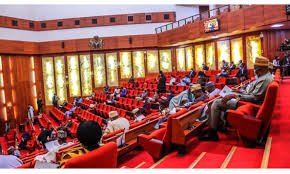
The National Assembly has pledged its support. The Senate Committee on Establishment and Public Service has begun reviewing key amendments to the Public Service Rules and Civil Service Act to reflect the new changes.
Senator Ibrahim Musa, who chairs the committee, said: “For too long, the public service has been seen as a retirement home. That must change. We will pass laws to institutionalize performance and integrity.”
With implementation already underway in pilot ministries such as Health, Finance, and Interior, analysts believe that the success of the reforms will depend on sustained political will, leadership by example, and the active involvement of citizens in demanding better service delivery.
Public expectations are high, but so too is the urgency for change.
As one Abuja resident, Chinyere Okonkwo, put it: “I just want to renew my passport or driver’s license without begging anyone. If this reform can do that, then it’s already a success.”
Time — and consistency — will be the ultimate test.
Follow us on all social media platforms @dailyquery for news and analyses around the globe.