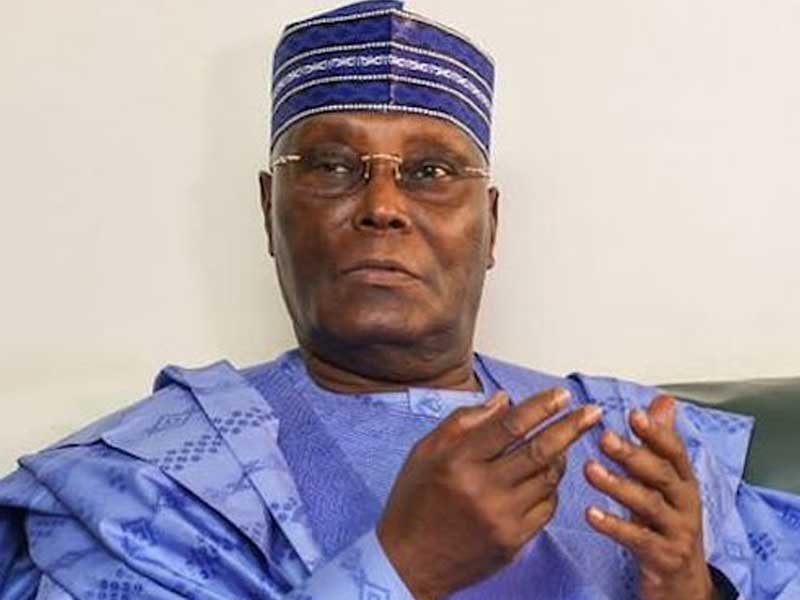
The situation regarding Atiku Abubakar and the African Democratic Congress (ADC) is currently unfolding as part of a messy internal leadership crisis within the party.
A faction of the ADC in Adamawa State (Atiku’s home state) announced the suspension of the former Vice President. Along with Atiku, the faction also suspended Babachir Lawal (former Secretary to the Government of the Federation) and Sadiq Dasin.
The acting chairman of this faction, Mohammed Suleiman Zumo, accused the group of Anti-party activities and undermining the party’s authority.
He also accused them of Fostering disunity and creating parallel party structures and
Disregarding court orders related to the party’s internal congresses.
This isn’t just about Atiku; the ADC is currently split into factions. Atiku officially joined the ADC in late 2025 as part of a “Big Tent” coalition (including figures like Peter Obi) aimed at challenging the APC in the 2027 elections.
The suspension comes from a local faction, and national leadership loyal to the coalition has dismissed these moves as illegitimate. There are ongoing legal disputes in the Yola High Court regarding who actually controls the party in Adamawa.
In Nigerian politics, “suspensions” by rival factions during a leadership tussle are common and often lack legal backing from the national headquarters or the Independent National Electoral Commission (INEC). While this is a significant PR blow and signals deep-seated friction within Atiku’s new political home, it is largely seen as a move by local rivals to weaken his influence ahead of the 2027 primary season.
Yes, a faction has suspended him, but the legitimacy of that suspension is being hotly contested in court and within the party’s national hierarchy.