Security, media, and technology professionals have thrown their weight behind the establishment of an independent Crisis Communication Hub (CCHub) aimed at strengthening Nigeria’s capacity to monitor and respond to misinformation, disinformation, and other digital threats that could undermine national stability.
The endorsement followed a maiden stakeholders’ meeting convened by the Centre for Crisis Communication in Abuja, where participants examined strategies for tackling the growing influence of harmful online narratives.
The meeting brought together representatives from security agencies, information management institutions, media organisations, civil society groups, and technology experts drawn from both the public and private sectors.
Participants deliberated extensively on the operational structure of the proposed digital infrastructure and discussed ways to ensure its long-term sustainability.
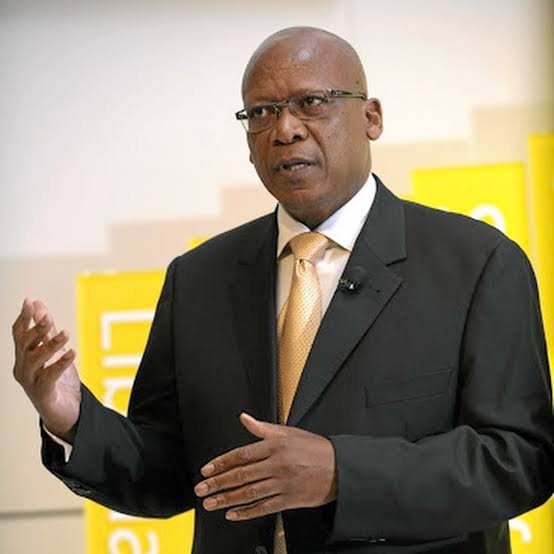
Speaking at the gathering, the Chairman of the Centre for Crisis Communication, Chris Olukolade, explained that the proposed hub would function as a central platform for real-time monitoring, analysis, and early detection of potentially harmful narratives circulating online.
According to him, the growing spread of false information, manipulated content, and coordinated disinformation campaigns across digital platforms poses serious risks to national cohesion, security operations, and public trust in institutions.
Olukolade noted that the proposed hub would bring together experts and relevant agencies to detect and counter digital threats before they escalate into major crises.
He explained that the platform would rely on advanced analytical tools and coordinated information-sharing mechanisms to identify misleading narratives, track their spread across digital platforms, and provide timely responses to correct false information.
Participants at the meeting stressed that Nigeria’s rapidly expanding digital space, combined with the increasing influence of social media in shaping public opinion, has made it necessary to develop coordinated systems capable of addressing the challenges of information warfare and digital manipulation.
Experts at the forum also emphasized that the hub should operate independently while maintaining strong collaboration with government agencies, media institutions, and technology firms to ensure credibility and effectiveness.
They highlighted the importance of transparency, professional oversight, and ethical communication standards in building public trust in the platform.
Stakeholders further agreed that the hub could play a critical role in strengthening national resilience by providing verified information during emergencies, crises, or politically sensitive situations where misinformation often spreads rapidly.
Beyond crisis response, participants said the hub could also serve as a research and training centre focused on improving digital literacy, equipping journalists and communication professionals with tools to identify and combat misinformation.
Analysts at the meeting noted that many countries around the world have begun establishing similar monitoring and response systems to manage the impact of disinformation campaigns, particularly during elections, security emergencies, and public health crises.
The proposed CCHub, stakeholders said, could therefore place Nigeria in a stronger position to safeguard its information environment while supporting democratic governance and national security.
The meeting concluded with a call for continued collaboration among security institutions, media organisations, technology companies, and civil society groups to ensure the successful development and sustainability of the initiative.