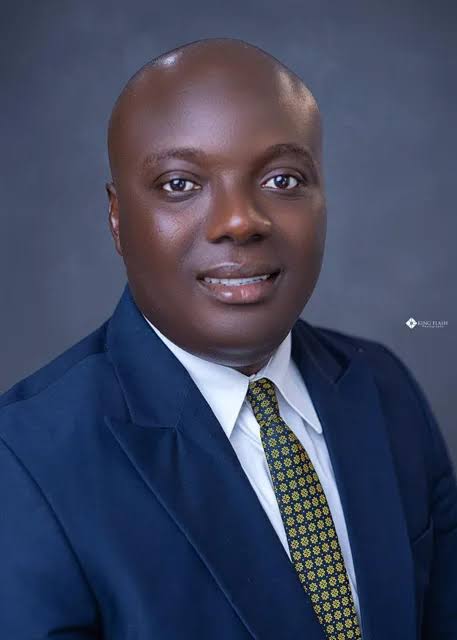
Former President of the National Association of Nigerian Students (NANS), Comrade Chinonso Obasi, has criticised the Federal Government’s increasing emphasis on the Nigerian Education Loan Fund (NELFUND) as the primary solution to tertiary education financing, warning that the policy risks plunging millions of young Nigerians into lifelong debt before they even enter the labour market.
Speaking during a youth and education policy symposium held on Thursday, November 19, 2026, at the Shehu Musa Yar’Adua Centre in Abuja, Obasi argued that shifting the financial responsibility of higher education onto students undermines the constitutional obligation of the state to provide accessible and affordable education for its citizens.
The event, which commenced at 11:00 AM, brought together student union leaders, civil society advocates, and academic stakeholders under the theme “Financing the Future: Public Investment vs. Student Debt in Nigeria.”
In his keynote address, Obasi noted that while the intention behind the student loan scheme might appear supportive on the surface, the harsh economic realities of high youth unemployment and inflation make loan repayment unrealistic for average Nigerian graduates.
”Education is not a commercial commodity; it is a strategic public investment that drives national development,” Obasi stated. “When you saddle a 22-year-old graduate with millions of naira in debt in an economy where jobs are scarce and starting salaries barely cover basic survival, you are not empowering them, you are mortgaging their future.”
He further questioned the sustainability of the loan scheme while public universities continue to suffer from chronic underfunding, dilapidated infrastructure, and recurring industrial disputes with academic unions.
Supporting Obasi’s position, the National Public Relations Officer of the Coalition of Nigerian Youth Leaders (CONYL), Amina Abdullahi, who also addressed journalists at the venue around 1:30 PM, called on the Federal Ministry of Education and the National Assembly to prioritize direct budgetary allocations to tertiary institutions.
”Instead of expanding debt mechanisms for students from low-income households, the government should plug leakages in public finance, increase education funding to meet UNESCO’s recommended benchmark, and strengthen grants and bursaries for indigent students,” Abdullahi said.
Similarly, a representative of the Academic Staff Union of Universities (ASUU) Abuja Zone, Dr. Emmanuel Okafor, commended Obasi for consistently championing the welfare of Nigerian students. Okafor reiterated that sustainable tertiary education requires robust government grants rather than credit facilities that commercialize learning.
Obasi concluded his remarks by urging current student leaders across the country to remain vigilant and engage policymakers constructively to ensure that no Nigerian child is denied access to university education due to financial incapacity or fear of debt.