Who shapes how young Nigerians speak, think, dress, spend, and define success. Influence has always existed, but the platforms that carry it have changed-from newspapers to cinema, blogging, Instagram, and now TikTok and X-each wave of influencing has reshaped identity and behavior in the country. A question many have been asking is whether this latest generation of influencers adds value or just chases attention.
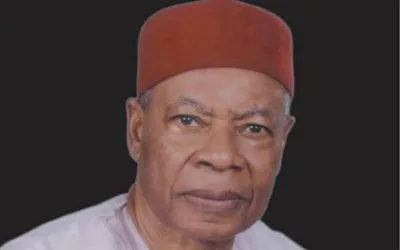
The early era of influence in Nigeria was through intellectual activism using print media. Nnamdi Azikiwe utilized the newspaper to advance nationalism, using them as an instrument of demand for independence from colonial rule, thereby making Nigerians see one another as one people with a common destiny.
Wole Soyinka did the same through theater and writing, critiquing oppression and civic responsibility. This kind of influence was thus hinged on ideas, philosophy, and national growth. Even that period had its unintended consequences. Student activist groups, hitherto founded on intellectual debate and political awareness, later metamorphosed into campus confraternities. Over time, some of these groups evolved into violent cultism-proof that influence would either uplift or distort, depending on how it was carried forward.
The second phase of national influence emerged from Nollywood. Movies shaped how Nigerians saw fashion, lifestyle, religion, romance, wealth, and family structures.
Actors and directors became cultural guides and brand ambassadors. Their faces appeared on billboards, television, and posters across the nation. Nollywood also became the foundation of Nigerian celebrity endorsement culture, where public figures shaped consumer choices, social behavior, and personal aspirations.
The third era was that of blogging. Blogging began with news reporting, celebrity stories, and social commentary. It was then that Linda Ikeji, the most influential figure in this movement, began breaking news well ahead of newsrooms and headlining national conversations with salacious headlines.
In due course, the sector expanded to lifestyle bloggers, travel journals, and personal opinion platforms. Simultaneously, it created room for fabricated stories used in leverage, slander, or blackmail. The boundary between verified journalism and the personal narrative became blurred.
Then came social media influencing. The earliest wave of Nigerian social media influencers made their mark on Instagram and X. They influenced through personality, lifestyle quality, and expertise. Toke Makinwa influences fashion, beauty, and feminist self-definition; Dr Olufunmilayo uses his platform to explain health in relatable terms. OgbeniDipo guides students and job seekers on education opportunities and career development. Influence still carried structure, purpose, and expertise.
But these days, the center of influence has shifted to TikTok and X. Most Nigerian youths spend more time on those than on Instagram. The new wave of influencers comprises skit makers, streamers seeking donation-driven engagement, and people who trend by posting provocative or controversial statements. And most of them don’t talk about national issues. Their content often focuses on personal branding, passive entertainment, or public feuds. The result is visibility without depth.
This is not only a Nigerian phenomenon: in the global space, the conversation is similar. A streamer as popular as Kai Cenat has faced criticism for the large earnings he makes while giving very little to real social problems; meanwhile, someone like IShowSpeed, despite comedic performance, has built a reputation both for respecting cultures he visits and offering financial support to local communities. The difference shows the contrast between influence that elevates and influence that simply entertains.
Big Sol, Peeler, and other popular music artists on TikTok are trendsetters among the youth in Nigeria today. On X, influencers Ruth, Abbaz, Seun, and Ola of Lagos lead conversation styles, humor patterns, lifestyle expectations, and views about success. Music lyrics have now become moral instructors. When artists like Zlatan and Jago use terms like “school na scam,” it fuels an attitude that celebrates quick money and shortcuts. In fact, this has helped further normalize the culture of online fraud among some young Nigerians.
Celebrity endorsement has always commanded power. History shows that when a popular baseball player once endorsed tobacco in the 1920s, it shifted public behavior on a national scale. Influence shapes thought. Influence directs action.
In Nigeria, one of the strongest modern influence platforms is Big Brother Naija. The show was originally designed for entertainment and competition. But through the years, the show has become a platform of manipulation, strategy, scandal, and emotional conflict.
Young viewers see contestants win huge prizes through tactics that sometimes do not have any moral standing. When a former contestant like Tacha found loopholes and manipulated the system to stay in the game, many youths interpreted it to mean that strategy and ruthlessness win, hence the mentality “do whatever it takes.”
Other countries regulate the practice of influence differently. China requires influencers who speak on health, finance, law, and similar fields to have formal qualifications. Their content is reviewed before publication.
This prevents misinformation. On the opposite extreme is North Korea, where there are no native social influencers, and even foreign content creators are banned from covering public events. Influence is treated as a state-controlled force.
Nigeria stands between both worlds: it enjoys freedom of digital expression but has no structured accountability. This freedom fuels creativity, humor, and entrepreneurial opportunity. But it is also a conduit for rapidly disseminated misinformation, shallow values, and exploitative behavior.
The story of Nigerian influence is a story of four eras: intellectual influence, cultural influence, digital news influence, and now viral social influence. Each stage has molded the Nigerian mind. But today’s influence is more immediate, more emotive, and more powerful than any era before.
The question isn’t if influence exists; it is if Nigerians will choose influencers that elevate thinking, promote integrity, and strengthen community. Influence will ever be a part of life, but the onus is upon the audience now: whom we listen to, why we listen, and what shapes us.
Follow us on all social media platforms @dailyquery for news and analyses around the globe.