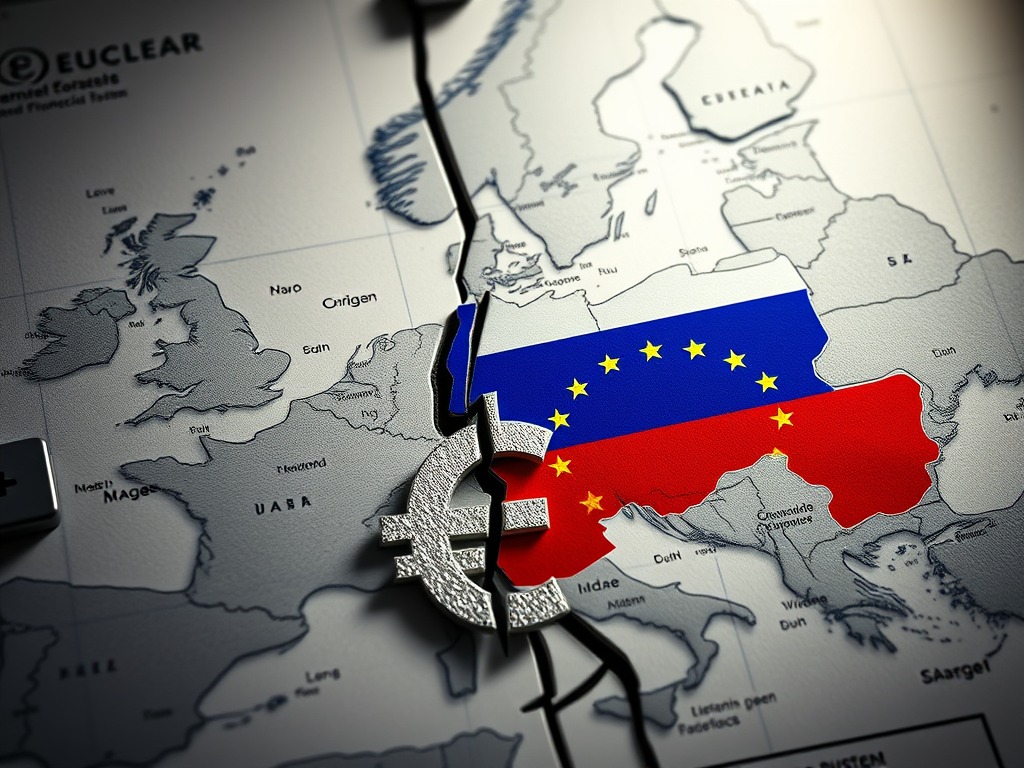
France gets the noise. The drama. The headlines. But the more I followed the numbers, the more I realised the story is larger than Paris. The Europe economic crisis is not a forecast. It is already shaping the daily decisions of governments across the continent. France was only the first place where stress reached the surface.
A few days ago, a tired commuter at Gare du Nord told a reporter he no longer checks train schedules because “half of them never come.” He said it casually, like someone describing the weather, and that small moment captured how normal disruption has become.
A Europe Economic Crisis Forming Beneath the Surface
France’s debts are enormous. Interest payments climb like a fever. Parliament hardly governs. Yet readers were right to say something else in the comments. France may be the headline, but it is not the outlier.
In Brussels, a shopkeeper said she keeps her bakery lights dim in the afternoon because electricity is now too expensive to waste. She spoke quietly, embarrassed by it. Her story is not unique.
Italy lives with decades of dangerous debt. Belgium’s numbers look worse. Spain wrestles with youth unemployment that would break most societies. And Germany, once Europe’s industrial anchor, now feels the drag of expensive energy and slow investment.
This is not a French crisis. It is a pattern. A slow and spreading Europe economic crisis that moves through budgets, demographics, and political institutions.
A Continent Ageing Into Stagnation
One quiet fact drives much of this story. Europe is old. It is getting older. Every year, fewer workers must support more retirees. It is the simple maths no politician wants to explain in plain language.
A nurse in Marseille recently said she does not know how long her hospital can survive current shortages. “Every month is worse than the one before,” she said, not in anger but resignation. It is difficult to ignore the fatigue in her voice.
Italy’s small towns empty out. Germany lacks skilled workers. Spain sees its youth leave for better opportunities abroad. These are not separate trends. Together they deepen the Europe economic crisis, because an ageing continent needs growth yet finds less capacity to generate it.
Governments hesitate. Protests erupt. Political will dissolves. That is how decline becomes structural.
A War Economy Built on a Peacetime Budget
NATO now expects Europe to spend three percent of GDP on defence. This demand lands at the worst moment. Every country is struggling with rising debt. Every country is trying to protect a welfare model that absorbs enormous resources.
In Warsaw, a family reviewing their winter heating bill worried aloud about another tax increase. “We will manage somehow,” the mother said, but she looked unconvinced. When households already feel cornered, defence spending becomes an emotional issue, not just a financial one.
France cannot afford this. Italy will struggle. Belgium barely has fiscal space left. Germany promised a turning point but moves with visible caution.
A war economy and a welfare state cannot share the same wallet. Europe must choose, and nobody wants to make the choice.
Political Paralysis Across the Continent
If the economic numbers are worrying, the political structure is worse. Minority governments collapse. Coalitions fracture. New parties gain ground. Old parties lose identity. It becomes harder to pass laws, let alone carry out reforms.
A Dutch voter recently said he feels every election is a choice between “frustration and fatigue.” He laughed when he said it, but the laughter held no joy.
This paralysis spreads. Paris. Madrid. Brussels. Berlin. Rome. It is a European condition now. A continent that cannot reform cannot stabilise. And without stability, the Europe economic crisis deepens further.
A café owner in Athens admitted he no longer follows politics. “What is the point? Nothing changes,” he said while wiping down empty tables.
Europe’s Real Stress Test Comes Next
Europe has survived recessions before, but never this combination at once:
low growth, high debt, ageing societies, expensive energy, rising defence costs, political fragmentation.
If one major economy falters, the pressure will ripple quickly. Financial markets do not wait for leaders to finish their debates. The eurozone was built for stability, not for simultaneous emergencies.
The fear is not spoken openly, but it is there.
The Crisis Beneath the Headlines
France feels loud. Europe feels quiet. Yet quiet stories often mark turning points. A continent built on peace, cheap energy, and political cooperation now stands on shifting ground. Something will have to give.
Last week, an elderly German couple sat in a warm café in Munich reading a newspaper headline about shrinking pensions. They exchanged a glance and said nothing. Somehow their silence felt heavier than any statistic.
The Europe economic crisis is not emerging. It has emerged. France was simply the first country where the cracks reached the surface.