By Mohammed Bello Doka
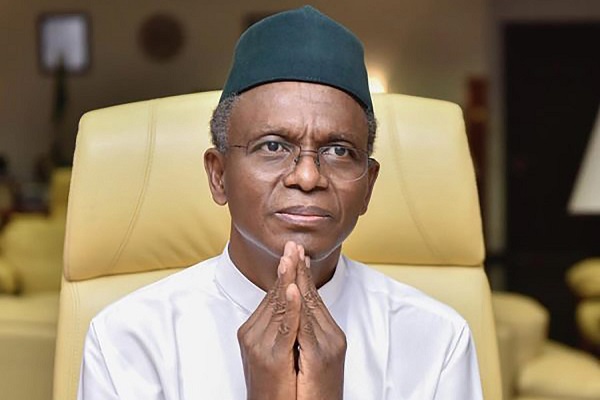
Barely an hour ago, Nasir El-Rufai sat on Arise TV and dropped a political grenade. Calm. Measured. Surgical. He alleged that Nuhu Ribadu, Nigeria’s National Security Adviser, personally directed security operatives to detain him — and suggested that he became aware of this because Ribadu’s phone communication was intercepted. This is not a casual accusation. It is not careless talk. It is a strategic strike. And at this very moment, Ribadu finds himself in a classic damned-if-you-do, damned-if-you-don’t bind.
It is still early. The NSA has not responded. No denial. No confirmation. No investigation announcement. The clock is ticking. But the trap is already set. If Ribadu denies giving any such order, attention immediately shifts to the second and even more explosive layer of El-Rufai’s statement: the suggestion that the NSA’s communication was monitored. That raises urgent, uncomfortable questions. Who has the capability to intercept the line of the National Security Adviser? Is there a breach? Is there an insider leak? Is there factional warfare within the state? If the claim is false, how will that be demonstrated clearly and decisively? Denial does not end the story.
It expands it. On the other hand, if Ribadu confirms he authorized action against El-Rufai, the debate shifts instantly to power and process. Was due process followed? Was there a warrant? Was it intelligence-driven or politically driven? Why would the National Security Adviser personally involve himself in the detention of a former governor? What precedent does that set? Confirmation does not close the matter. It intensifies scrutiny. This is the brilliance of El-Rufai’s move. He is not operating emotionally. He is operating strategically. He understands power. He understands narrative timing.
He understands that when you confront the security establishment publicly and with specificity, you alter the psychological balance. By placing the alleged order and the alleged interception in the same sentence, he has created a dilemma that offers no clean escape route. Either: The NSA’s authority is questioned. Or the NSA’s control over secure communications is questioned. Both possibilities are damning in different ways. El-Rufai knows this terrain. He has governed. He has clashed. He has survived political storms. He is not afraid of consequences. In fact, he appears willing to absorb them if it means forcing a larger confrontation into the open. This is not recklessness. It is calculated risk-taking. Now the vital questions stand in the open: Will the NSA issue a categorical denial? Will there be an official clarification from the presidency? Will security agencies investigate the alleged interception? Will El-Rufai be challenged legally to substantiate his claim? Or will the matter escalate into a broader political and institutional showdown? Silence, response, escalation — each path carries consequence.
And the country is watching in real time. This is no longer just about an airport incident. It is about institutional credibility. It is about the perception of state power. It is about whether security architecture is insulated from political rivalry — or entangled in it. El-Rufai has thrown the challenge publicly, deliberately, and without retreat. Now the burden shifts. What does the National Security Adviser do next? Because in this moment, every option carries weight — and none comes without cost.
Mohammed Bello Doka can be reached via bellodoka82@gmail.com