An Abuja-based financial consultant, Mr Hayat Halid, has urged Nigerians to exercise patience over the economic effects of the 2023 fuel subsidy removal.
He described the current hardship as a short-term phase toward long-term recovery.
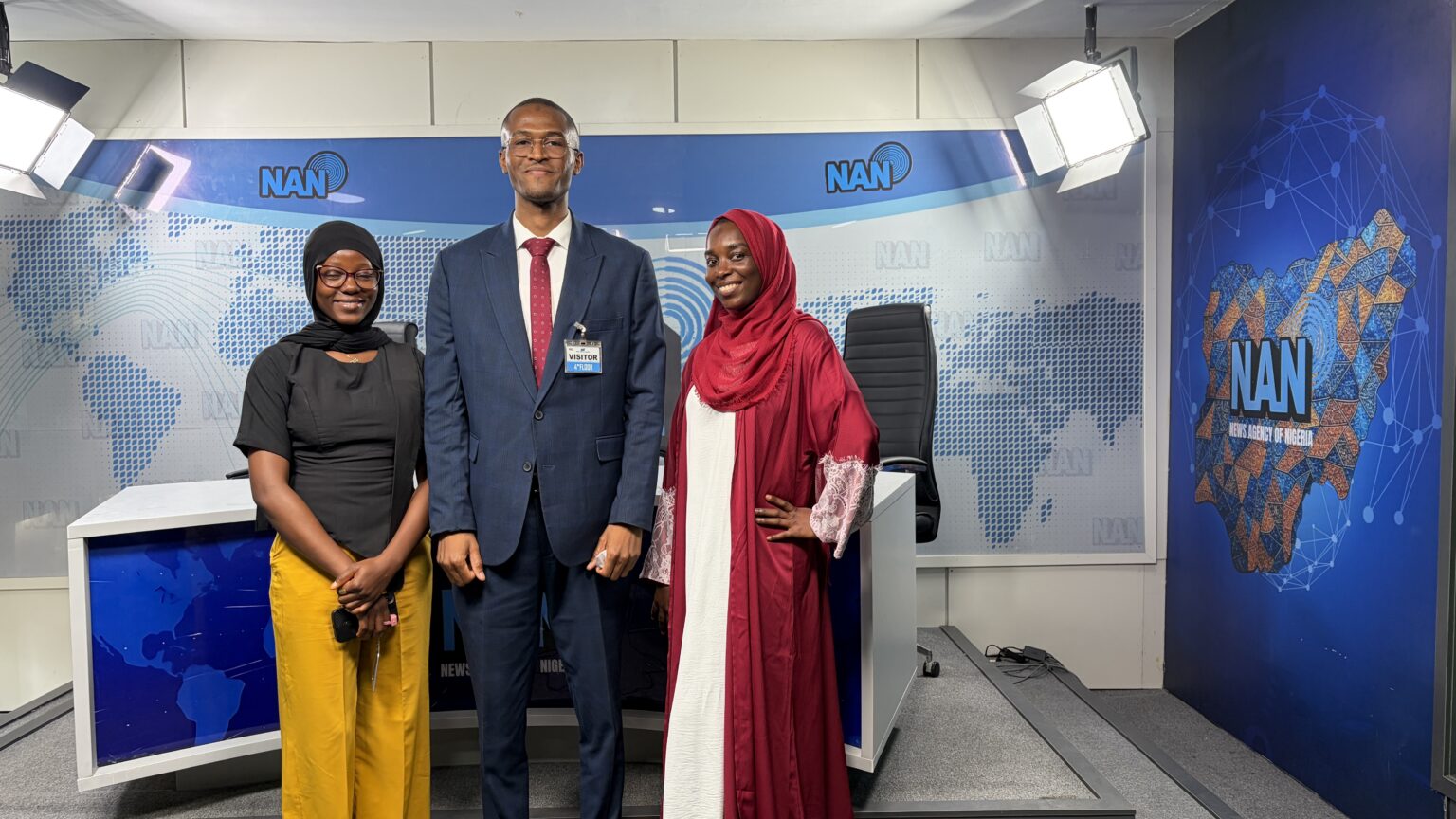
Halid made the appeal during an interview on Talk with NAN in Abuja, where he examined the history, fiscal cost, and policy alternatives surrounding the removal of petrol subsidy.
According to him, Nigeria’s subsidy regime, which began in the 1970s following a global oil crisis to cushion poverty and support development, became a major drain on public finances.
“Fuel subsidy was supposed to be for economic development, but at some point, it became a disease, and started to drain our savings,” he said.
Halid said Nigeria’s demographic and production realities made subsidising petrol unsustainable compared with countries such as Saudi Arabia and the United Arab Emirates.
“You cannot compare Nigeria to those countries simply because they have a larger production and small population,” he said.
He pointed out that Nigeria’s population of over 200 million and oil output below two million barrels per day differed sharply from Saudi Arabia and the UAE.
Comparing Nigeria with Iran, where fuel sells cheaply, Halid noted that the Iranian government recoups subsidy costs through steep taxes on vehicles and other levies.
‘’Nigeria suffered heavy leakages, including cross-border smuggling and subsidy payment irregularities.
“If more than 15 per cent of fuel subsidy money are given to our neighbouring countries, I don’t think we are doing good for ourselves,” Halid stated.
He added that fuel subsidy disproportionately benefited higher-income earners rather than vulnerable citizens, while triggering higher transportation and food costs after its removal.
On how savings from the subsidy removal should be managed, Halid suggested channelling funds toward infrastructure, macroeconomic stability, and targeted support for micro, small and medium enterprises (MSMEs).
He advocated using regulatory technology (RegTech) to track public funds from disbursement to receipt so citizens could monitor transfers transparently, and recommended reducing fuel taxes to ease pump prices.
“If a fund is to be moved from CBN to, let’s say, a bank, a common Nigerian should be able to see it on their phone,” he said, stressing the need for transparency and public monitoring.
Halid also called for an oversight body staffed with experienced managers, accountants, and finance professionals to monitor grants and palliatives so funds achieve their intended impact.
“All I can say is that, please, just be patient for some time. Regarding fuel subsidy, just be patient. The invisible hand is going to work,” he said.