By Richard Benjamin
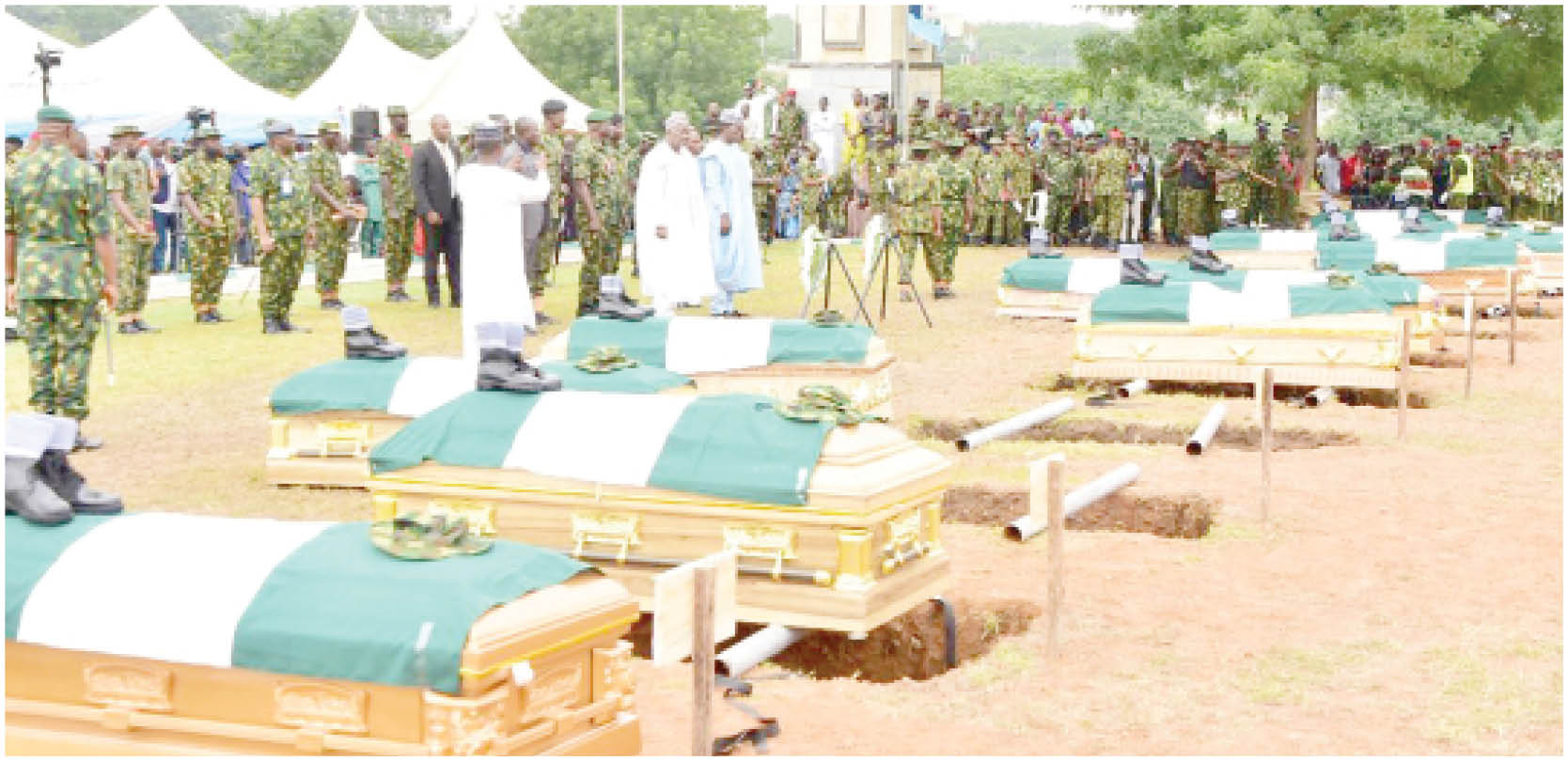
The Defence Identification Centre (DIC) and the International Committee of the Red Cross (ICRC) have commenced a five-day training programme to strengthen the capacity of military personnel to identify troops killed in battle and manage human remains with dignity.
The training began on Monday, July 27, 2026, at the Nigerian Air Force Base in Kaduna, with participants drawn from the Nigerian Army, Navy and Air Force.
The Deputy Director of DIC, Air Commodore Chukwuma Ohanele, disclosed this in his opening remarks at the commencement of the programme, describing it as a landmark initiative resulting from collaboration between Defence Headquarters and the ICRC.
Ohanele said the programme would address challenges associated with identifying military personnel and managing the dead with dignity, noting that battlefield deaths had become inevitable due to the high tempo of operations by the Armed Forces of Nigeria.
According to him, managing the dead in modern conflicts was not only a technical responsibility but also a moral and humanitarian obligation.
He said the training was designed to strengthen professionalism, accountability and respect for human dignity.
Ohanele said participants would undergo theoretical and practical sessions on Nigerian mortuary affairs, the humanitarian role of the ICRC, international humanitarian law, Nigerian military doctrine, search and recovery operations, and Explosive Ordnance Disposal awareness.
He added that participants would also be trained on establishing mortuary collection points, conducting cursory examinations, and the respectful storage, transportation and repatriation of human remains, as well as temporary burials and cemetery creation.
The deputy director said the training would include indoor and outdoor exercises and assessment tests to ensure that participants could effectively apply the knowledge acquired in operational environments.
Ohanele commended the Chief of Defence Staff, Gen. Olufemi Oluyede, Defence Headquarters and the DIC for supporting the initiative.
He also appreciated the Commandants of the Nigerian Air Force School of Medical Sciences and Aviation Medicine and the Regiment Training School for providing logistics and administrative support.
He expressed appreciation to the ICRC team, particularly Dr Habib El TaKach and Mr Stephen Fonseca, for their roles in developing the idea, curriculum and expertise that led to the establishment of the Battlefield Mortuary Affairs Programme in Nigeria.
Also speaking, the Commandant, Nigerian Air Force School of Medical Sciences and Aviation Medicine, AVM Anthony Ekpe, said the training was coming at a critical time, given the complex military operations being conducted by the Armed Forces.
Ekpe said personnel were sometimes lost under difficult and gruesome circumstances, making it challenging to identify their remains or recover and identify their body parts.
He urged participants to take the training seriously, saying the knowledge and skills acquired would help identify personnel lost during operations, provide answers to their families and enable loved ones to find closure.
In his remarks, Dr Habib El TaKach, Forensic Manager, ICRC Delegation, said the training was the outcome of a journey that began in Pretoria, South Africa, in 2024, describing it as the first global training programme of its kind.
TaKach said the process of identifying the dead began from the moment information about a casualty was received and involved planning, obtaining necessary clearances, recovery of remains and transportation to a morgue or cemetery.
He said photographs, videos, samples and other relevant information collected at the scene were essential to identifying the deceased and providing closure to their families.