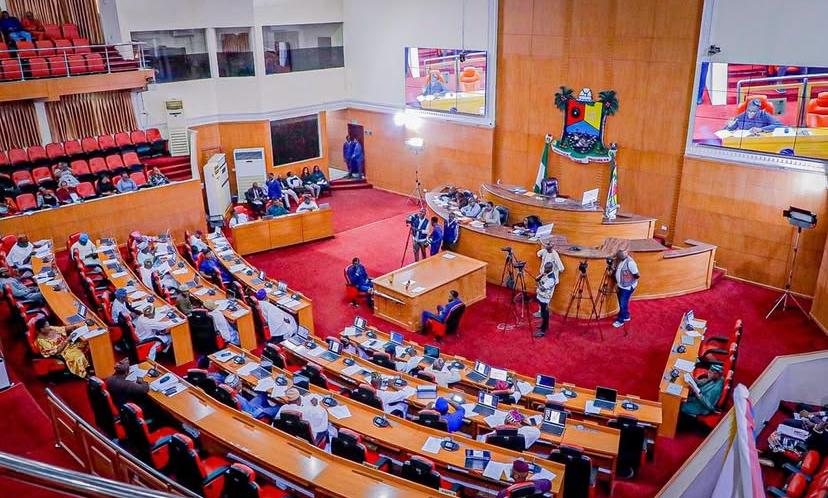
The Lagos State Tenancy Bill currently before the State House of Assembly has continued to generate debate among landlords, tenants, and property developers, with stakeholders divided over its potential impact on housing and rental relations in the state.
The proposed legislation seeks to regulate rent payments, tenancy agreements, eviction procedures, and dispute resolution mechanisms in Nigeria’s commercial capital, where housing demand far outweighs supply.
The Pros
Supporters of the bill argue that it will protect tenants from exploitation and arbitrary practices. Key provisions such as restrictions on excessive advance rent, clearer eviction processes, and the establishment of dispute resolution panels are seen as safeguards against abuse.
Tenant advocacy groups say the bill could ease the financial burden on low- and middle-income earners, who are often compelled to pay two to three years’ rent upfront.
“The bill is a step toward fairness. Tenants deserve protection from sudden rent hikes and unlawful evictions,” said Mr. Yemi Adebayo, a housing rights activist.
The Cons
On the other hand, many landlords and property owners believe the bill tilts too heavily in favor of tenants, potentially discouraging investments in real estate. They argue that limiting advance rent and imposing strict eviction rules could increase default risks and reduce profitability for property developers.
“Landlords also have rights. If government makes it harder to secure rent in advance, many investors will pull out of the rental market, which may worsen the housing deficit,” noted Mrs. Funke Ogunleye, a landlord in Ikeja.
Some critics also warn that the bill could deepen informal rental arrangements, as landlords may seek ways to bypass strict provisions.
The Middle Ground
Analysts say the bill’s success will depend on striking a balance between protecting tenants and ensuring landlords’ rights are not eroded. They recommend more consultation, incentives for affordable housing development, and a strong enforcement framework to prevent abuse on either side.
With Lagos State accounting for over 20 million residents and the highest rent market in Nigeria, the outcome of this bill could set a precedent for tenancy laws across the country.
Follow us on all social media platforms @dailyquery for news and analyses around the globe.