By Mike Cerutti
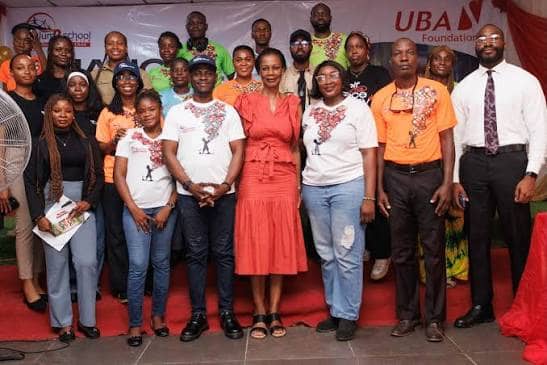
” If you don’t manage your money, your money will manage you.” That opening truth set the tone for a timely financial literacy workshop recently convened by UBA Foundation in partnership with Slum2School Africa. The session gathered students, young entrepreneurs, and community members for honest conversations about earning, saving, and growing money in a way that actually fits their daily lives.
The need was clear. In many underserved communities, financial education is rarely taught at home or in school, yet young people are making money decisions earlier than ever. From mobile transfers to side hustles, the choices are constant. Without guidance, good intentions often turn into debt, missed opportunities, or exposure to fraud. This workshop was designed to close that gap by making money matters simple, practical, and actionable.
 UBA Foundation, the CSR arm of United Bank for Africa, has long anchored its work on education and empowerment. By teaming up with Slum2School Africa, an organization with deep roots in low-income communities, the program reached the people who need these skills most. The partnership brought together UBA’s financial expertise and Slum2School’s trusted community network to create a space where questions were welcome and answers were real.
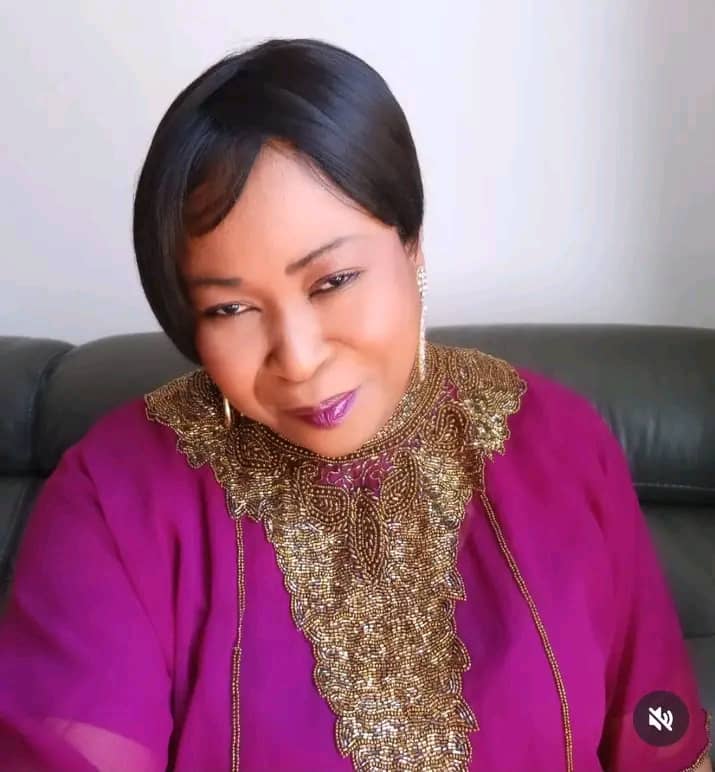
Speaking at the workshop, Bola Atta, Managing Director of UBA Foundation, captured why the initiative matters. “Financial literacy is not a luxury, it is a necessity. When young people understand how to earn, save, invest and protect their money, they are better equipped to break cycles of poverty and build generational wealth.” Her words reminded participants that financial knowledge is a tool for freedom, not just for banks.
The content was deliberately hands-on. Facilitators walked participants through budgeting with irregular income, keeping simple records for small businesses, building a savings culture even with little, understanding the basics of investing, and staying safe while banking digitally. Real scenarios, group work, and open Q&A made the lessons stick. For many, it was the first time terms like interest, credit, and risk were explained without jargon.
The significance goes beyond personal finance. When young people learn to manage money well, they are more likely to start businesses that last, borrow responsibly, and contribute to the local economy. That ripple effect supports national goals around financial inclusion and youth development, especially in communities that are often left out of mainstream financial conversations.
Slum2School Africa ensured the training felt relevant. Mentors and alumni who understand the daily realities in these communities helped translate concepts into practice. Participants left not just with notes, but with savings targets, simple action plans, and access to follow-up resources to help them stay on track after the workshop ended.
This collaboration also points to a bigger lesson: impact scales faster when institutions and grassroots organizations work together. UBA Foundation provided credibility, structure, and financial knowledge. Slum2School provided access, trust, and context. That combination made the learning both credible and relatable, and it offers a model that can be replicated in other states.
In a time of rising costs, digital scams, and new income streams, waiting to teach money skills is a risk we cannot afford. The workshop addressed that urgency head-on, giving participants tools to protect what they have and grow what they earn. It shifted the conversation from “I don’t have enough” to “How do I manage what I have better.”
Ultimately, the financial literacy workshop by UBA Foundation and Slum2School Africa was more than a single event. It was an investment in mindset and capability. As Bola Atta noted, teaching money management today helps build stronger families, more resilient businesses, and a more inclusive economy tomorrow. And that is a return worth compounding.