‘The security and welfare of the people shall be the primary purpose of the government.’ – Section 14 (2) (b)
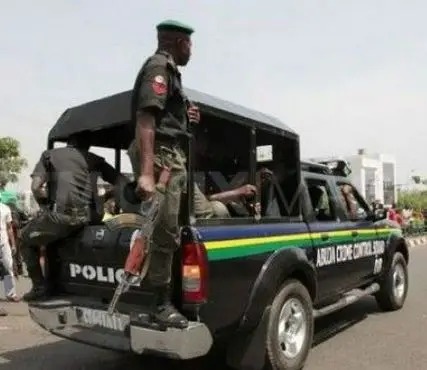
Section 4 of The Nigeria Police Establishment Act 2020 provides that ‘the police shall be employed for the prevention and detection of crime, the apprehension of offenders, the preservation of law and order, the protection of life and property and the due enforcement of all laws and regulations with which they are directly charged, and shall perform such military duties within or outside Nigeria as may be required of them by, or under the authority of this or any other Act.’
In many jurisdictions of the world, the police are in charge of security of lives and properties and they deal with the civil populace in common matters of crime detection and investigation. The deployment of the armed forces would only occur in rare cases involving threat to national security, sovereignty or territorial integrity of the nation. The constant or permanent presence of soldiers on the streets of any country indicates a failure of its policing system.
In simple terms, section 33 (1) guarantees to every person the inalienable right to life when it states that ‘every person has a right to life, and no one shall be deprived intentionally of his life, save in execution of the sentence of a court in respect of a criminal offence of which he has been found guilty in Nigeria.’ An underfunded, inefficient, ill-equipped and corrupt police system constitutes a grave threat to the security and lives of the people that it was established to protect and secure. Indeed, such valueless organisation erodes national development which cannot co-exist within a state held down by terrorists, bandits, kidnappers, armed robbers and other criminals.
In the peculiar circumstance of Nigeria, however, the police deserve some commendation if one takes into account the sacrifices of their men and officers, who buy their own kits, pay for virtually all their working tools and even take over the provision of infrastructure, such as buying generators to power their offices. Some of them who are fortunate to secure allocations in the barracks, which is defined to be ‘a housing characterised by extreme plainness or dreary uniformity’, or ‘a structure resembling a shed or barn that provides temporary housing’, have bitter tales to share.
You can best imagine the state of the dwelling places of police officers that are expected to burst complicated crimes and crack very knotty cases. This may be why the police authorities will require a special task force to enforce the presidential directive on the withdrawal of policemen from private duties because some of them will surely prefer the life of private policing than the trauma of public service.
FUNDING FOR THE POLICE
In the case of Dada v State, we have the examples of brave police officers who defied the odds to track the accused person. They deployed the limited technology available for positive use in following all the leads that came their way, and they embraced community policing by working with the people to unravel the hidden mysteries of the dastardly criminals.
In Dada v State, we have policemen who must have resisted the filthy lucre to compromise investigation. I have focused on the cases of Saheed v The People of Lagos and Dada v State to highlight the need to fund the police for greater effectiveness and to make the point that if properly funded and equipped, the Nigeria Police Force can perform their statutory roles creditably, like their counterparts in other jurisdictions. Permit me to share with you the facts of Dada v State.
REGULATING PUBLIC TRANSPORTATION
As shown in the case of Saheed v The People of Lagos that was reviewed in my previous articles on this point, Dada v State has brought to the fore an urgent and pressing need to regulate public transportation. Cases of ‘one chance’ by which criminally-minded persons deploy small buses and their private cars to perpetrate crime are very rampant. Commercial motorcycle riders, popularly known as Okada have become a menace, especially as instruments of crime. These motorcycles are used in night and daylight robberies, kidnapping, banditry and even terrorism. But the people have little or no choice but to patronise them in the absence of an organised public transportation regime.
The absence of an effective data regime for this vital sector of our national life also poses great danger to the security of lives and properties of the citizens. But for the diligence of the police officers involved in the investigation of this case, the positive collaboration with the community and the efficient prosecution, the appellant would have gotten away with the crime.
Follow us on all social media platforms @dailyquery for news and analyses around the globe.