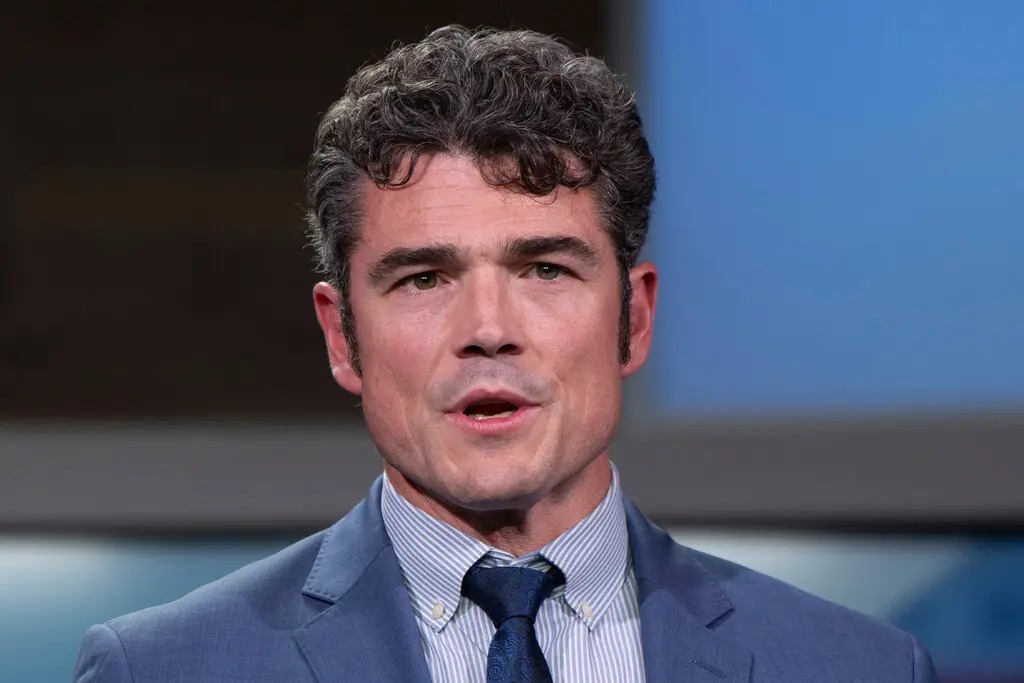
In a dramatic twist that underscores deepening divisions within the United States government, Joseph Kent has stepped down as director of the US National Counterterrorism Centre, citing strong objections to America’s involvement in the escalating conflict with Iran.
Kent’s resignation, described by insiders as both principled and abrupt, comes at a time when tensions in the Middle East are spiraling. His departure has not only exposed cracks within the national security establishment but has also drawn a sharp and public reaction from Donald Trump, who openly welcomed the move.
Speaking during an interview on Fox News, Trump dismissed Kent’s stance and questioned his judgment on matters of national security. According to him, Kent’s exit was ultimately beneficial.
“I always thought he was weak on security. Very weak,” Trump said bluntly. “I didn’t know him well, but he seemed like a nice person. But when I read his statement, I realised it’s a good thing he’s out—because he said Iran was not a threat.”
Kent’s resignation letter, though not fully disclosed, reportedly challenged the prevailing narrative within Washington that Iran poses an immediate and unavoidable danger requiring direct military involvement. His position appears to have placed him at odds with the administration’s current posture, particularly in the wake of recent military developments.
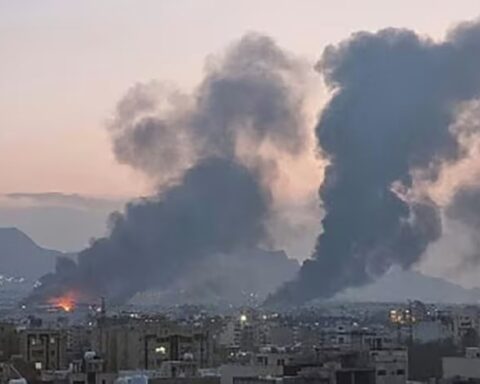
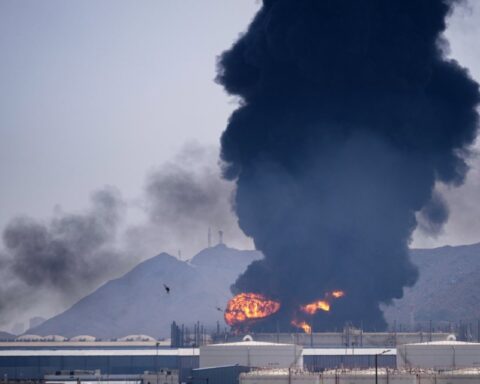
The crisis itself erupted on February 28, when Israel launched what it described as pre-emptive missile strikes targeting Iranian positions. Within hours, Trump confirmed that the operation had been carried out in coordination with the United States—an admission that marked a major escalation and drew global attention.
What followed was a rapid cycle of retaliation.
Iran responded with a series of strikes, triggering counterstrikes from both US and Israeli forces. The back-and-forth has since intensified, raising alarm among international observers who fear the situation could devolve into a prolonged and destabilizing regional war.
Against this volatile backdrop, Kent’s resignation is being interpreted by analysts as more than just a personal decision. It reflects a broader debate within US security circles about the scope, risks, and long-term consequences of direct confrontation with Iran.
Some experts argue that dissent at such a high level is rare and signals serious concern about the direction of policy. Others, however, align with Trump’s view, suggesting that any hesitation in confronting perceived threats could undermine national and allied security.
For now, the leadership vacuum at the counterterrorism centre adds another layer of uncertainty to an already complex situation. As Washington recalibrates its strategy and the conflict continues to unfold, the implications of Kent’s departure may reverberate far beyond the corridors of power.
With missiles still flying and rhetoric hardening on all sides, one thing is clear: the stakes are rising—and so are the consequences of every decision made.