By: Gbola Oba
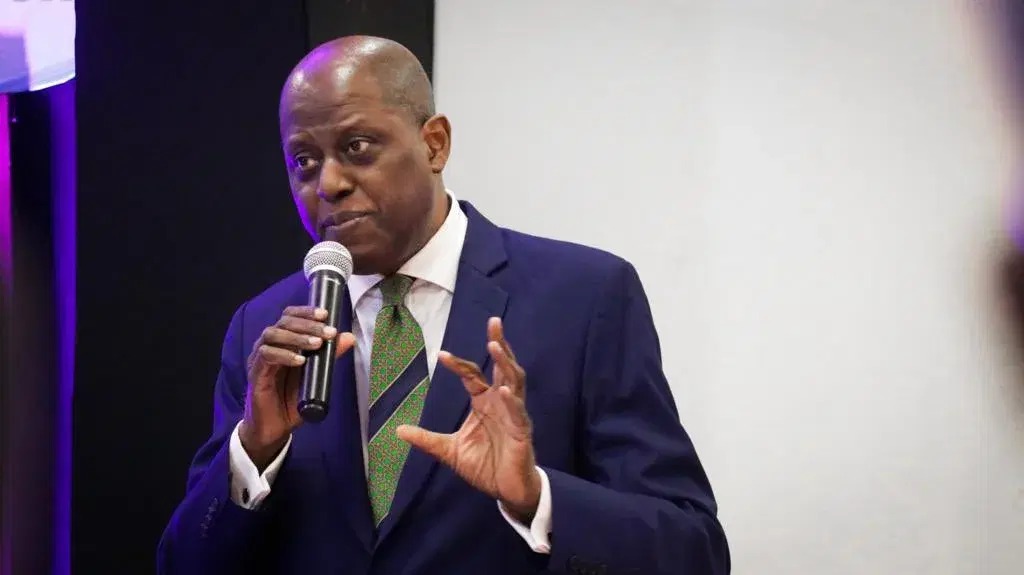
Egbon Cardoso is sounding a bit conceited in this viral video by giving the impression that he bore the most criticism for taking those necessary and classically orthodox monetary measures (i.e., floating the currency to combat the illusory and historic multiple exchange rates that fuelled the latter-Buhari daily black market yoyo-rates; raising interest rates to both discourage borrowing and encourage the trillions of Buhari-Emefiele-printed naira notes to be attracted off the streets into bank vaults and to buy government bonds, to frontally tame inflation; etc).
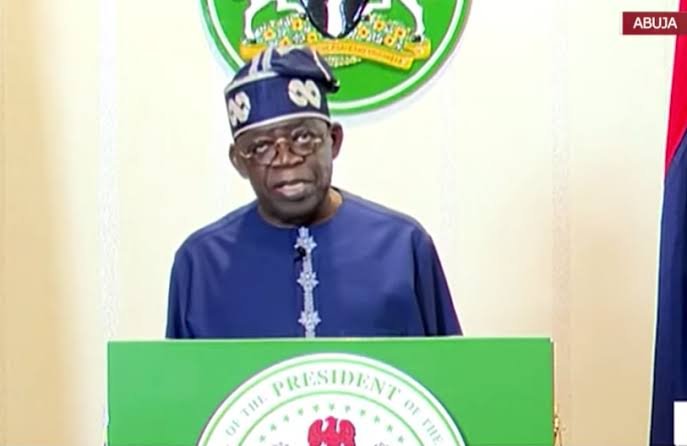
However, I think the politically suicidal courage of the President to remove the PMS subsidy — an economic albatross which, for more than fifty years, combined with geometric population growth deficient in human capital investment and development, resulted in the lowest per capita productivity rate in sub-Saharan Africa — and his (the President’s) intrepid resolve to allow the CBN to adopt and puritanically implement the scorching but necessary monetary measures without political interference, are actually what should be celebrated.
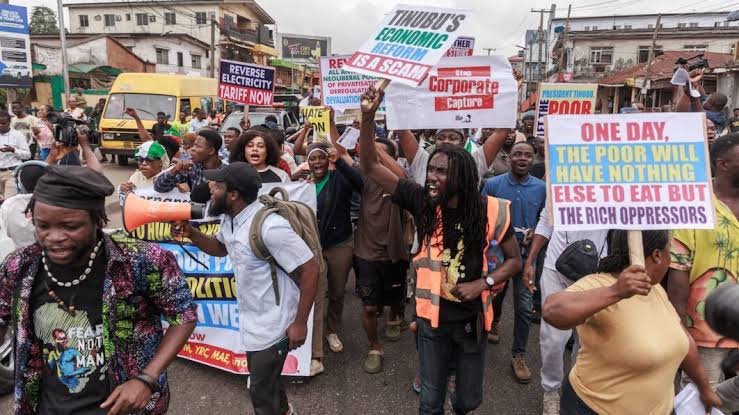
Ironically, he’s deservedly already basking in global central banking accolades for the imperative measures which the President is still getting politically lacerated for by the hard-done generations (16 to 65 years old) of largely ill-educated, ill-skilled, low-productive Nigerians who over-populate the downward-looking stroke of the paradoxical Nigerian K-shaped economy (the few people with market-needed skills and financial investment savvy — the Nigerian stock exchange, leveraging the tough structural corrections, has been one of the two best-performing in the whole wide world — are doing excellently well).
I dare say that on political-economic dare-devilry courage, PBAT has no equal in Nigeria’s pre- and post-independence indigenous governance history! The only other leader who demonstrated such kamikaze policy “odaju” was Chief Obafemi Awolowo when he became Leader of Government Business in 1953, after Pa Alayande, Pa Ajasin, and others (great educationists and recent postgraduate returnees then from post-Second-World-War Britain, where the first-ever Labour Party Government implemented free education and started the NHS) had convinced him that free education should be implemented to build the human capital needed to power the kind of development that was required.
Papa Awo, a formerly bankrupt entrepreneur in his younger days who adhered stringently to classical fiscal discipline in public finance, became the first leader of contemporary, post-monarchical, and indigenous colonial-era governance in Nigeria to tax rural women to fund free education.
Between 1953 and 1955 — the latter being when the policy of free education started enrolling its first set of beneficiaries — Chief Obafemi Awolowo was one of the most hated local politicians in the whole of Nigeria (not only in the southwest, where he was the head of government). Rural women (like the Aba/Eastern and Egba women, who had respectively rioted against the indirect taxation previously inflicted on them by the pre-self-government Colonial Government through their local chiefs) who were fiscally pained by the policy came to Ibadan to protest half-naked, and Awolowo, on one of the occasions he addressed them, said, “Nitori ọjọ ọla awọn ọmọ yin ni” — that they should bear the fiscal hardship for the sake of the future of their children.
Many of us who now rightly idolise Chief Awolowo may have forgotten, or may in fact not know, that the chief reason for which we Yoruba, indeed all Nigerians, now ascribe political sagacity to him — free education — was originally not his policy idea (in fact, he initially opposed it because he couldn’t see how it would be sustainably funded), and that when, as a visionary leader who knew from his own poverty-riddled background that the most potent agent of sustainable development in any society was — and still is — a very well-developed human capital pool, he courageously bit the fiscal bullet that many members of his Action Group Party, including the pragmatic Chief Ladoke Akintola, thought was partisan suicide.
This was because Adelabu Penkelemesi, the then Leader of Opposition in the pre-independence Western Regional House of Assembly, before his untimely, tragic, and fatal motor accident, was daily demonising Awolowo in Yoruba as “Agba l’owo meri!” — the person who takes from the indigent — and the AG Government that Awo led.
𝗡𝗕: 𝗜 𝗸𝗻𝗼𝘄 𝘀𝗼𝗺𝗲 𝘄𝗶𝗹𝗹 𝗯𝗲𝗹𝗶𝗲𝘃𝗲 𝗜’𝗺 𝗰𝗮𝗺𝗽𝗮𝗶𝗴𝗻𝗶𝗻𝗴 𝗳𝗼𝗿 𝗣𝗕𝗔𝗧, 𝗯𝘂𝘁 𝘁𝗿𝘂𝘁𝗵 𝗯𝗲 𝘁𝗼𝗹𝗱 — 𝘀𝗵𝗼𝗿𝘁 𝗼𝗳 𝘁𝗵𝗲 𝗼𝗽𝗲𝗿𝗮𝘁𝗶𝗼𝗻𝗮𝗹 𝗽𝗿𝗼𝗳𝗹𝗶𝗴𝗮𝗰𝘆 𝗮𝗻𝗱 𝗲𝗻𝗱𝗲𝗺𝗶𝗰 𝗰𝗼𝗿𝗿𝘂𝗽𝘁𝗶𝗼𝗻 𝘁𝗵𝗮𝘁 𝘁𝗵𝗲 𝗽𝗿𝗲𝘀𝗶𝗱𝗲𝗻𝘁𝗶𝗮𝗹 𝘀𝘆𝘀𝘁𝗲𝗺 𝗼𝗳 𝗴𝗼𝘃𝗲𝗿𝗻𝗺𝗲𝗻𝘁 𝘄𝗲 𝗽𝗿𝗮𝗰𝘁𝗶𝘀𝗲 𝗲𝗻𝗰𝗼𝘂𝗿𝗮𝗴𝗲𝘀, 𝗼𝗳 𝘄𝗵𝗶𝗰𝗵 𝗧𝗿𝘂𝗺𝗽’𝘀 𝗔𝗺𝗲𝗿𝗶𝗰𝗮 𝗯𝗲𝘀𝘁 𝘀𝗵𝗼𝘄𝗰𝗮𝘀𝗲𝘀 𝘁𝗵𝗲 𝘀𝘆𝘀𝘁𝗲𝗺’𝘀 𝗺𝗼𝘀𝘁 𝗻𝗮𝘂𝘀𝗲𝗮𝘁𝗶𝗻𝗴 𝗽𝗲𝗿𝗳𝗶𝗱𝘆 — 𝗻𝗼 𝗹𝗲𝗮𝗱𝗲𝗿 𝘄𝗵𝗼 𝘄𝗶𝗹𝗹 𝘁𝗮𝗸𝗲 𝗡𝗶𝗴𝗲𝗿𝗶𝗮 𝗶𝗻 𝘁𝗵𝗲 𝗿𝗶𝗴𝗵𝘁 𝘀𝘁𝗿𝘂𝗰𝘁𝘂𝗿𝗮𝗹 𝗮𝗻𝗱 𝗽𝗿𝗼𝗱𝘂𝗰𝘁𝗶𝘃𝗲 𝗲𝗰𝗼𝗻𝗼𝗺𝗶𝗰 𝗱𝗶𝗿𝗲𝗰𝘁𝗶𝗼𝗻 𝗼𝘃𝗲𝗿 𝘁𝗵𝗲 𝗻𝗲𝘅𝘁 𝟮𝟬 𝘆𝗲𝗮𝗿𝘀 (𝘁𝗵𝗮𝘁’𝘀 𝘁𝗵𝗲 𝗻𝗲𝘅𝘁 𝗳𝗼𝘂𝗿 𝗲𝗹𝗲𝗰𝘁𝗼𝗿𝗮𝗹 𝗰𝘆𝗰𝗹𝗲𝘀) 𝗰𝗮𝗻 𝗮𝗳𝗳𝗼𝗿𝗱 𝘁𝗼 𝗽𝗹𝗮𝘆 𝘁𝗵𝗲 𝗽𝗼𝗽𝘂𝗹𝗮𝗿𝗶𝘁𝘆 𝗰𝗮𝗿𝗱. 𝗧𝗵𝗲𝗿𝗲’𝘀 𝗻𝗼 𝘄𝗮𝘆 𝗮 𝘄𝗼𝘂𝗻𝗱 𝘁𝗵𝗶𝘀 𝗿𝗼𝘁𝘁𝗲𝗻 𝗰𝗮𝗻 𝗯𝗲 𝗰𝗮𝘂𝘁𝗲𝗿𝗶𝘀𝗲𝗱 𝘄𝗶𝘁𝗵𝗼𝘂𝘁 𝘁𝗵𝗲 𝗯𝗲𝗮𝗿𝗲𝗿 (𝗶.𝗲., 𝘁𝗵𝗲 𝗺𝗮𝗷𝗼𝗿𝗶𝘁𝘆 𝗼𝗳 𝘀𝗸𝗶𝗹𝗹𝘀-𝗱𝗲𝗳𝗶𝗰𝗶𝗲𝗻𝘁, 𝗲𝗻𝘁𝗿𝗲𝗽𝗿𝗲𝗻𝗲𝘂𝗿𝗶𝗮𝗹𝗹𝘆 𝗮𝗻𝗮𝗲𝗺𝗶𝗰, 𝘀𝘁𝗲𝗮𝗹-𝘆𝗼𝘂𝗿-𝗲𝗺𝗽𝗹𝗼𝘆𝗲𝗿-𝗶𝗻𝘁𝗼-𝗯𝗮𝗻𝗸𝗿𝘂𝗽𝘁𝗰𝘆, 𝗮𝗻𝗱 𝗰𝗿𝗲𝗮𝘁𝗶𝘃𝗲-𝗯𝗲𝗴𝗴𝗶𝗻𝗴-𝗶𝘀-𝘁𝗵𝗲-𝗻𝗲𝘄-𝗲𝗻𝘁𝗲𝗿𝗽𝗿𝗶𝘀𝗲 𝗡𝗶𝗴𝗲𝗿𝗶𝗮𝗻𝘀) 𝗰𝗿𝘆𝗶𝗻𝗴 𝗳𝗿𝗼𝗺 𝘁𝗵𝗲 𝗽𝗮𝗶𝗻 𝘁𝗵𝗲 𝘁𝗿𝗲𝗮𝘁𝗺𝗲𝗻𝘁 𝗰𝗮𝘂𝘀𝗲𝘀 𝗵𝗶𝗺
Nigeria was really close to the precipice in 2023
𝗥𝗨𝗙𝗔𝗜’𝗦 𝗥𝗜𝗚𝗛𝗧 𝗢𝗙 𝗥𝗘𝗣𝗟𝗬 𝗔𝗡𝗗 𝗙𝗨𝗥𝗧𝗛𝗘𝗥 𝗪𝗛𝗔𝗧𝗦𝗔𝗣𝗣 𝗘𝗫𝗖𝗛𝗔𝗡𝗚𝗘𝗦:
[19/07, 5:01 am] Oseni Rufai: Your story isn’t complete kindly add how the proceeds from subsidies is being reported
[19/07, 5:02 am] Oseni Rufai: Looted
[19/07, 5:02 am] Oseni Rufai: Kindly add that NNPC paid 7.2 trillion in subsidies in 2024
[19/07, 5:02 am] Oseni Rufai: Let that be balanced
[19/07, 5:05 am] Oseni Rufai: Let’s keep deceiving ourselves
[19/07, 5:05 am] Oseni Rufai: When we are done we will see
[19/07, 11:22 am] Gbola OBA: Good morning, my beloved and courageous brother. “Beni ti eri! Alagidi!” Often when my friends are castigating your tenacity that most times veers in the direction of the obstinacy of your natal Warri, I tell them, “Let that young man be; no society can develop without an intellectual bulldog as seemingly insolent as that young man, asking the tough questions!” As a fellow broadcaster, I’ve mentally put you where I used to put Jeremy Paxman: Erudite. Fearless. Patriotic above all. That’s why I literally daily chat with you and my sterlingly brilliant longtime friend, Dr. Abati.
However, Aburo, like you and your fellow super-intelligent and equally intrepid colleagues (particularly Ayo and Vimbai), often chime, “Two truths can be right at the same time.” Yes, you’re factually right. But the words “corruption and profligacy,” as used in the extemporal piece (I didn’t plan to write the piece as is — it was just my response to a very deserving pro-Cardoso video post on my “1981-COSTECH — now LASUTECH — Alumni Group”), were meant to properly locate the laurel on the neck of the President who, aside from allowing him to function without interference, bore the public relations and political backlash that was primarily directed at the President himself — particularly when the needed monetary surgery Cardoso was undertaking would have amounted to nothing if the President hadn’t decapitated the Gorgon Medusa that was the PMS subsidy.
Rufai, I honestly fully agree with you that the governance architecture reeks of putrid corruption and wastefulness (in fact, still keeping NNPC in its chimeric “ko s’eranko, ko s’eniyan” monster-like format is the greatest own-goal the President is still scoring against worthy reforms; and, asides the legislative imbecility that the extant NASS is displaying, bar Senator Oshiomhole who often speaks my heart, I think it’s about time NNPC is sold vide the Nigerian Stock Exchange to further consolidate the positive economic image that the Dangote Refinery is giving us internationally, in addition to the increased revenue it’ll bring for the Federal Government to do the transformational projects like the Lagos-Calabar, Sokoto-Badagry, and some other jugular capex projects he’s undertaking).
The only other historical projects of the magnitude and strategic socioeconomic importance of these ongoing civil engineering behemoths were the civil design and execution of the first Marina (original or first Okokomaiko) by Governor Glover in the mid-1880s, about 150 years ago, and the construction of the original Lagos-Ibadan railway line — later extended to Kano, then Maiduguri, then to the Eastern Region — which started in 1896, reached Ibadan in 1906, and was concluded in the early 1930s.
Aburo, you may want to ask a mutual friend of ours, another Aburo that I respect as much as your esteemed self, Barr. Liborous Oshoma, how vociferously I singularly supported President Goodluck Ebele Jonathan’s subsidy removal policy even when, on many of the radio and TV shows we used to do back then, I barely had anything else to support his administration on. Indeed, Liborous can attest to the fact that I severally and several times criticised the partisan anti-subsidy-removal position of the then APC National Leader Bola Ahmed Tinubu on his radio and TV stations. I remember late Yinka Odumakin (God bless his soul), before his post-January-2012-Ojota-protest volte-face to later openly support PGEJ in his futile 2014-15 reelection bid, came to my Ikeja office to tell me why PGEJ’s administration’s corruption wouldn’t have allowed all the inherent positives of subsidy removal to materialise!
In conclusion, my brilliantly courageous Aburo, a cursory examination of all the liberal and illiberal democracies practising the presidential system of government (from the US, to Turkey, Russia to Indonesia, South Africa to Brazil, etc.) will show you that profligacy and corruption are endemic to them. I used to espouse that Nigeria should adopt a parliamentary system of government, but in view of the organic instability I now see in the exasperatingly regular defenestration of heads of government in the UK (seven prime ministers in less than ten years!), and the feckleness of contemporary coalition government in erstwhile bastions of governance stability like Germany and Japan (until ultra-rightist and xenophobic partisanship began according the incumbent leader a form of electoral consolidation), I’ve come to treasure the cyclical stability of the presidential system of government.
Have a blessed Lord’s day, Aburo. Ku ise ilu.
%ScholarshipForSTEMstudentsFromSSS1toPHDandAllSTEMartisanalTrainings
[19/07, 11:24 am] Oseni Rufai: Mee gbo eyinbo to ba yi Hahahahah
Points well taken!
[19/07, 11:26 am] Oseni Rufai: I totally take in the point but the gains of these policies are stunted by corruption!
Corruption oh Corruption!
Eyinbo po ooo fun me!
Hahahaha!
[19/07, 11:37 am] Oseni Rufai: Now let me rebutt
Most of the countries that have removed subsidies have left a small subsidy for the vulnerable on energy products
UAE, Malaysia and the likes
The hydra-headed monster here is corruption and not subsidies!
Nigeria can still pay a subsidy regime on products! But corruption is always lurking with its slithering gait akin to biggest monster serpent that lurks in your imagination!
I repeat! I know too much! But I can’t say too much!
NNPC is still using funds to subsidize, subsidize never left, the corruption has just moved to the NNPC.
I am sure the AIG imoukhede subsidy committee never imagined the level of trumpian corruption in the NNPC!
The corruption in Nigeria is like a cancer that continues metastasizing after the patient is dead and buried and it’s now metastasizing on the wood of the coffin the patient was buried! The metastasation is like on an infinite rampaging loop akin to something from Roald Dahl imagination
That’s how septic corruption has become!
Nigeria can actually pay subsidies!
Sugbon corruption ti jedo and ifun ati Ororo Wa!
[19/07, 11:40 am] Oseni Rufai: the UAE government provides a targeted fuel subsidy for low-income citizens built directly into the federal Inflation Allowance Scheme. How the Low-Income Fuel Subsidy Works. The fuel allowance automatically activates for qualified low-income Emirati families when the price of Special 95 petrol exceeds a baseline price threshold of AED 2.1 per litre.
The monthly financial payout scales according to current pump prices: AED 300 allowance: Awarded when Special 95 petrol is priced between AED 2.1 and AED 2.85 per litre. AED 600 allowance: Awarded when Special 95 petrol climbs between AED 2.86 and AED 3.60 per litre. For instance, during volatile price peaks (such as the AED 3.29 per litre rate in July 2026), eligible families receive this doubled amount. AED 900 allowance: The peak maximum allowance, triggered if Special 95 prices hit AED 3.61 per litre or higher.