By Oluwasore Alabi
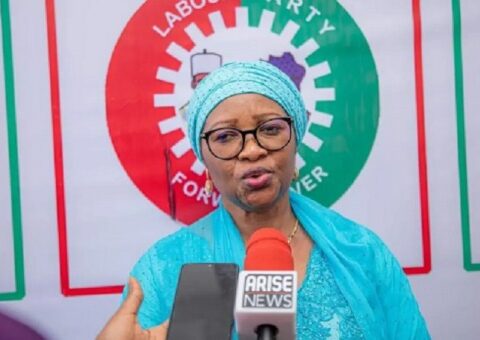
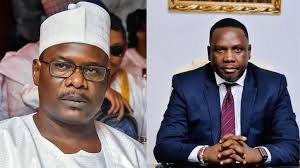
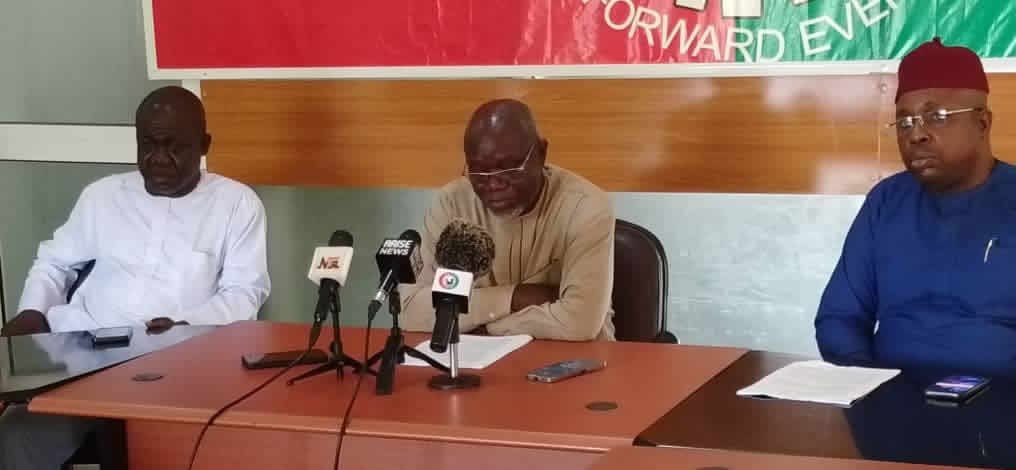
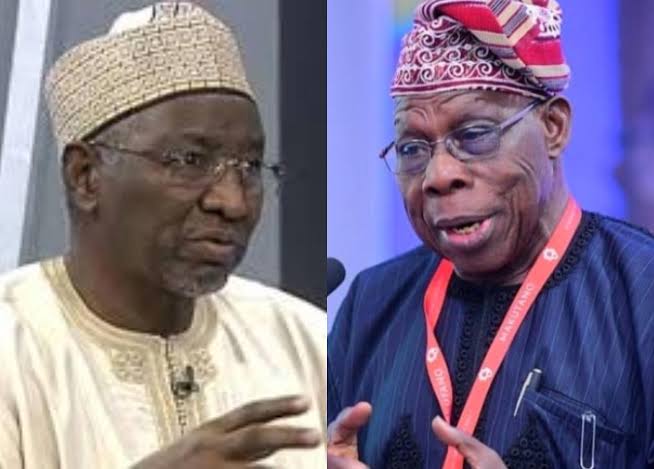
Former President Olusegun Obasanjo’s denial of seeking a third term in office has been rejected by political activist and former lawmaker Dr. Usman Bugaje, who insisted that the ex-leader “did everything within his power” to extend his tenure. Bugaje made the claim on Arise Television, days after Obasanjo dismissed the long-standing controversy at a democracy dialogue in Ghana.
This latest exchange reopens one of Nigeria’s most debated political chapters. For years, Obasanjo has faced accusations of attempting to alter the constitution to prolong his rule beyond the two terms allowed. His recent dismissal of the claims as baseless has reignited arguments, with Bugaje pointing to alleged intimidation of lawmakers, distribution of money, and political maneuvering as proof that the attempt was real.
The dispute matters not only because of history but because it touches the foundation of Nigeria’s democracy. Term limits were designed to prevent authoritarianism and ensure leadership rotation. Any attempt, whether successful or not, to breach them undermines public trust in democratic governance. If indeed Obasanjo tried and failed, it shows the resilience of the National Assembly at that time. But if his denial stands unchallenged, it risks distorting history and erasing the lessons learned from that battle.
Bugaje’s testimony, referencing specific lawmakers like Senator Victor Lar and recalling threats and bribes, gives weight to the allegations. Yet, it also highlights a broader problem in Nigerian politics: the lack of formal accountability. Nearly two decades later, many of those allegedly involved are still alive, but no official inquiry has ever put the matter to rest. This has allowed competing narratives to flourish, leaving citizens unsure of what really happened.
The controversy also raises questions about how political leaders handle legacy. Obasanjo remains one of Nigeria’s most influential figures, often speaking on democracy, governance, and reform. But his insistence on denying the third-term push risks undermining his credibility, especially when credible voices like Bugaje insist otherwise.
In the end, Nigeria needs more than denials or recollections. The country needs a culture where history is documented truthfully and leaders are held to account. The third-term debate is not just about Obasanjo but it is about ensuring that no leader, present or future, can test the limits of democracy without consequences.
Follow us on all social media platforms @dailyquery for news and analyses around the globe.