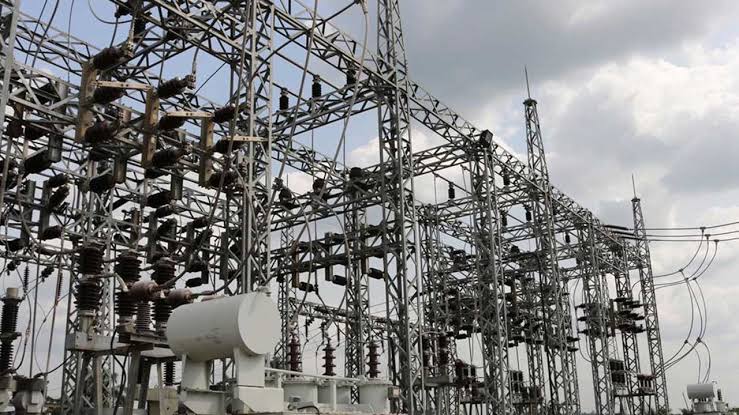
Nigeria’s national power grid suffered a severe disturbance on Monday, October 19, 2026, causing total electricity supply to crash by 81.5 per cent from 3,647 megawatts (MW) at noon to 675MW by 1:00 PM.
The sharp drop occurred after the number of active power generation plants supplying the grid plunged from 21 down to 2 within a single hour. Key power generation stations—including the Azura-Edo, Egbin Thermal Power Station, Jebba, and Kainji Hydroelectric Power Stations, went offline, shedding nearly 3,000MW of generation capacity.
According to real-time operational data from the Nigerian Independent System Operator (NISO) in Abuja. At 1:00 AM, the grid posted an early-morning peak generation of 4,331MW. By 6:00 AM, electricity generation rose slightly to 4,458MW.
Around 12:00 PM (Noon), Grid output dipped to 3,647MW with 21 generation companies active across the network. Power supply plunged to 675MW at 1:00 pm, as plants disconnected, leaving the national system severely constrained.
Partial recovery efforts boosted grid output back up to 2,150MW at about 5:00 pm, though supply remained well below morning levels.
The sudden loss in generation severely impacted distribution networks nationwide, prompting major electricity distribution companies (DisCos) to issue urgent public updates to customers.
In a public notice released in Abuja on Monday afternoon, the Abuja Electricity Distribution Company (AEDC) confirmed the widespread disruption across its franchise areas:
”Management wishes to inform our esteemed customers that electricity supply from the Transmission Company of Nigeria (TCN) has been interrupted due to a grid-related challenge. TCN’s technical team is working to restore grid stability… We assure you that efforts are ongoing to restore full supply across our franchise area as soon as the situation permits.”
Spokespersons from the Transmission Company of Nigeria (TCN) and NISO clarified that the system disruption was partial and denied claims of a complete national blackout, noting that technical teams immediately initiated system restoration procedures from regional sub-stations.
By late Monday evening, grid operators reported that stabilisation efforts were underway as generating plants were progressively re-synchronized to the national transmission network.