By Bola BOLAWOLE
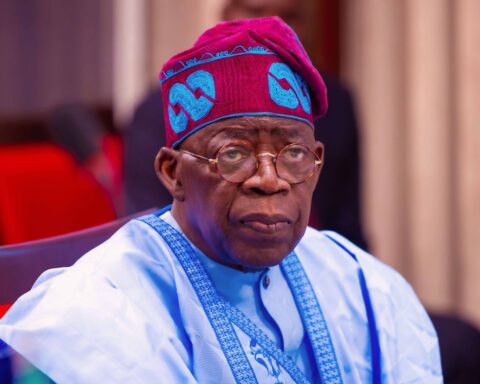
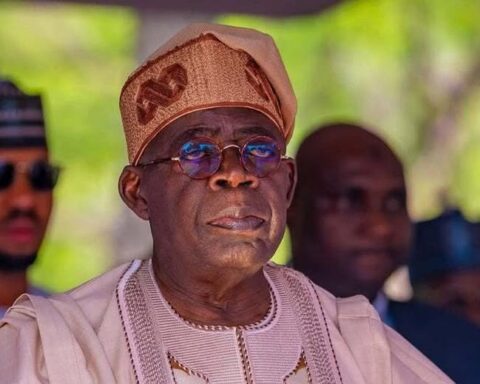
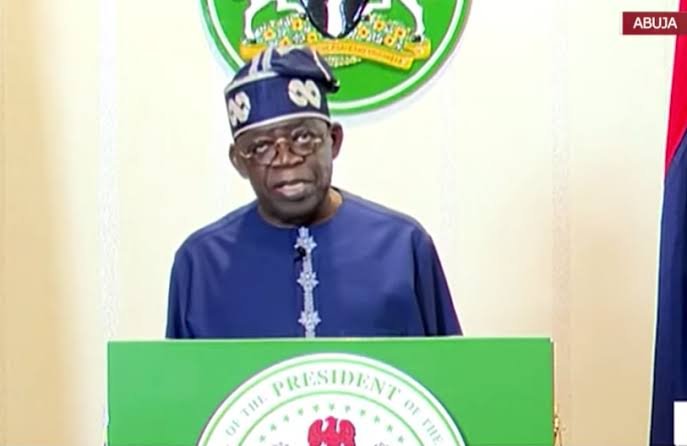
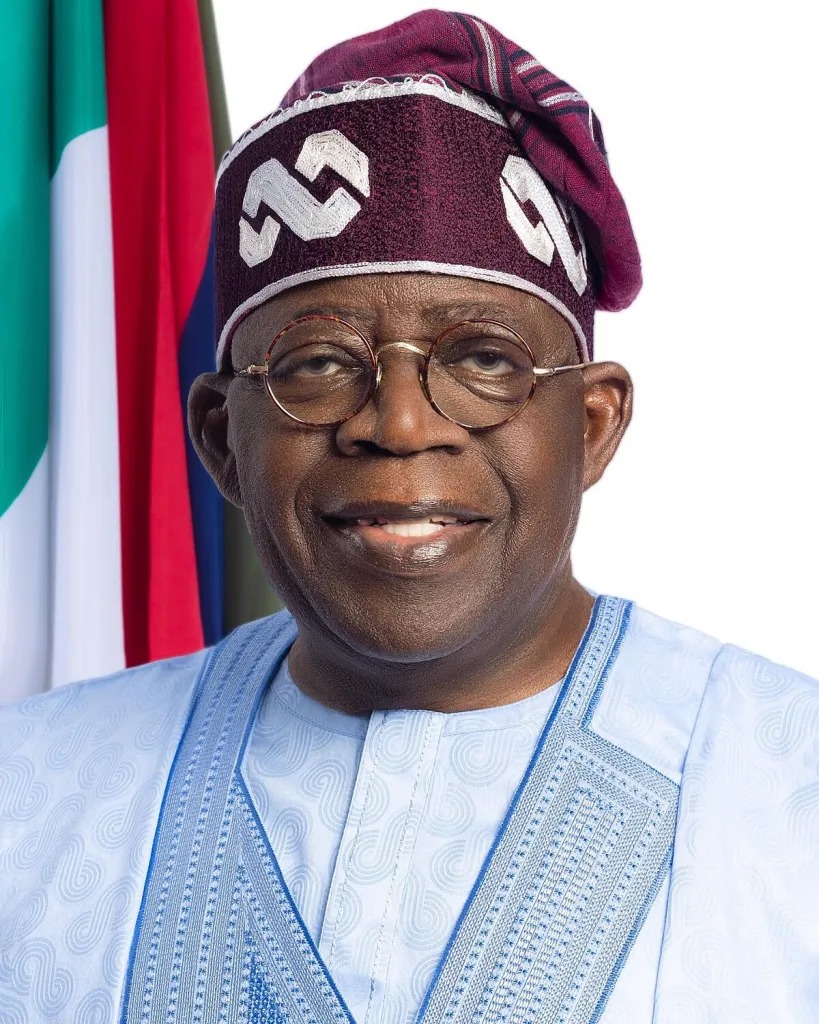
President Bola Ahmed Tinubu has threatened to resort to the use of “Executive Orders”, made so notorious by the United States President Donald Trump, to beat our governors into line if they continue to resist the implementation of the Supreme Court judgment granting financial autonomy to the country’s 774 local governments.
Tinubu spoke at a function of his party, APC, whose official leader he is. As of 21 December, 2025, there are 28 APC governors, four PDP governors, and one each for Accord, APGA, Labour, and NNPP. What this means is that the majority of the governors disobeying the Supreme Court order belongs to the president’s party. What strong reasons do they have? Twenty-eight APC governors cannot be so flippant or patently unruly as to stand against not just their own party leader, but one who is also the president and commander-in-chief of the country’s armed forces!
How many states, if I may ask, are implementing the Supreme Court judgment? And why is this so? The president, coming out openly to chide his party’s leaders in the states – which the governors are – is replete with meanings which, I dare to say, are ominous. Has Tinubu spoken to the governors in camera before coming into the open to pillory them? Will this not have consequences for the president, the governors, and their party going forward? Already, the president’s action is reverberating and troubling the country’s political waters. The opposition cannot but take note!
It does appear as if all is not at ease within the ruling party, despite the facade of invincibility being built with the gale of defection into the party. Those who say that defection brings its own internal contradictions may be right afterall. Strange bed-fellows and political opportunists simply running after personal interests come with bags and baggage. In the fullness of time, things may unravel.
Perhaps it has started already; maybe the storm is just gathering; as it would appear that the falcons can no longer hear – or are unwilling to heed – the falconer’s call. Whoever advised Tinubu to spill the beans, the way he did, and at the forum he chose to address the matter, has done him incalculable damage. Or is this another case of the president just “summoning the courage”, against the best of advice? Whichever is the case, it gives away the info that all may not be well within the APC. A party machinery with clay feet is what the president’s speech has just exposed to the public. Is this a demonstration of (over) confidence? But “Let him who thinks he stands take heed lest he falls” (1 Corinthians 10:12)!
Besides, the venue of the president’s warning – at an APC function – is inappropriate. Was the message meant only for APC governors? Were they the only ones disobeying the Supreme Court order? Is it that the president cares less about the eight other governors belonging to the other parties? Is he only interested in saving the neck of his own party governors from the ‘apocalypse’ he threatens? Or will he be satisfied once his party’s governors comply with the Supreme Court order, even if governors from the other parties do not? The president’s statement would better have been made at a gathering of all the 36 state governors or at a meeting of none of them at all!
Now, if all – or majority – of the governors are united in disobeying the Supreme Court order, it immediately sends a signal that something very serious is amiss. Like I said earlier, the governors cannot all be unruly or flippant across many lines. There are ministers of God among them. Their membership cuts across ethnic and religious divides – even if they are all members of the same decadent ruling class. So, what aileth them? Have they been called in to express their grouse? Maybe the governors are angry that it was the president who took this matter to court! Maybe the president, having exhausted all other options, was at his wits’ end before he did. Is this, then, a case of the flexing of muscles? When two elephants fight…
The opinion of many is that the state governors are opposed to local government autonomy because of corruption: That state governors corner local government resources, thereby denying the third-tier of government the resources to bring governance – and the dividends of democracy – closer to the people, the local governments being the touted government that is nearest to the grassroots. This may be true; it may also be false.
Corruption has become so endemic in Nigeria that it permeates every sector – private and public – every tier of government – federal, state and local government – and every arm of government – the executive, the legislature and the judiciary. In fact, corruption struts like a colossus in our churches and mosques. The traditional institutions are not spared. Even the little the Local Governments reportedly get from their state governments goes down the drain pipes of corruption. So, if stemming corruption is the reason for local government autonomy, forget it! Corruption at the local government level is not lesser that what operates at the state or federal level.
Also, the question of local government autonomy engineered from the Centre and rammed down the throat of federating units is antithetical to the principles of federalism, which we purport to practice. Federalism properly so-called recognises only two tiers of government, the central authority and the federating units. That was the case during the First Republic with the Central authority (the Federal Government) and the regional governments – Northern Region, Western Region, Eastern Region and, from 1963, the Mid-West Region. It is the responsibility of each region to create, own, fund, and organise the existence and operation of its own local governments without interference from the Central authority. We should return to that!
If we take the states as the federating units (in place of the regions), then, it is the states that should be vested with the powers to create local governments, fund them, equip them, organise them, run them and be answerable for their performance. The problems of additional local government creation that came up between Lagos State’s Gov. Bola Ahmed Tinubu (as he then was) and the then President Olusegun Obasanjo would have been avoided. States will create the number of local governments they deem necessary, without interference from the Federal Government. If this is the view of the state governors, I dare to say that they are in order. But what they must then do is move to amend the law.
Should the state governors obey the Supreme Court judgment on local government autonomy even if they disagree with its import? Opinion is divided on this. One side of the argument says yes, so that we do not resort to self-help or allow for anarchy; while efforts are on to amend the offensive sections of the Constitution, obey the law. The Supreme Court being the highest court of the land, and Nigeria no longer a British colony where appeal can still proceed to the Privy Council in London, the judgment should be obeyed, pending any amendment to the law. The law is the law, as they say.
However, the other side says to obey is to continue with, and carry forward, an aberration that makes a mockery of our federalism. Once obedience is secured, the urge to do the needful recedes. The process of amendment is usually tortuous and cumbersome. Unfortunately, we are no longer in the age of activist judges who, while interpreting the law, also make laws. Those were the days of the likes of Kayode Esho, Chukwudifu Oputa, Akinola Aguda, among others.
And this brings us to the issue of why judges – and their judgments – command scant regard from Nigerians these days, moreso from politicians. The answer is simple: Like we had said earlier, corruption now permeates everywhere and the Bar and Bench are not spared. No one knows this better than politicians! So, the respect, fear and awe that judges commanded in times past have waned. These days, we hear mind-boggling tales of how judgments are procured and this cannot but whittle down their acceptance by those at the receiving end of some of these judgments.
And those wondering why court judgments are not respected should know that this is not a new phenomenon. Justice Dolapo Akinsanya’s judgment declaring the ING of Ernest Shonekan illegal, was it respected? The Supreme Court judgment that shot down President Olusegun Obasanjo’s seizure of Lagos State local government funds under Gov. Tinubu, was it respected?
Ask Chief Gani Fawehinmi and the other activists how many court judgments they got, but which were ignored by successive Nigerian governments! Has the Tinubu presidency itself not seized local government funds in Osun state? The judgment that PUNCH newspapers and my humble self got over the illegal closure of the newspaper and my detention, was it respected to this day by the Federal Government? I can go on and on! So, what goes around comes around!
Rather than pick and choose which court decisions to enforce, we should work towards treating all court judgments as sacrosanct. The judges themselves must work to clean up their act and return us to that era when the Bench was seen as an unpolluted citadel of justice and the court as the last hope of the common man. Otherwise, forget it!
Last Word: To my highly esteemed readers, Merry Christmas and compliments of this season!
* Former editor of PUNCH newspapers, Chairman of its Editorial Board and Deputy Editor-in-chief, BOLAWOLE was also the Managing Director/Editor-in-chief of The Westerner news magazine. He writes the ON THE LORD’S DAY column in the Sunday Tribune and TREASURES column in New Telegraph newspaper on Wednesdays. He is also a public affairs analyst on radio and television.