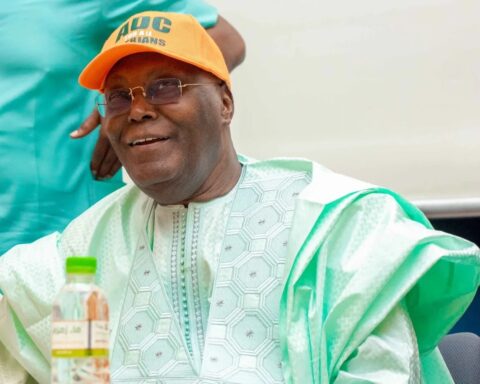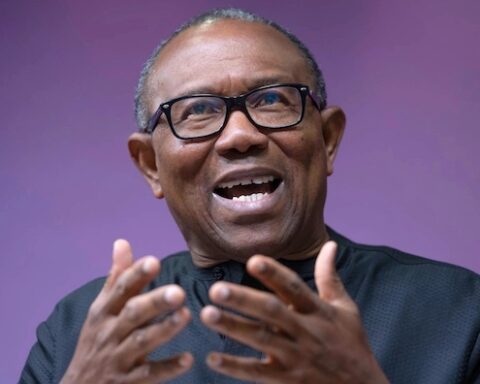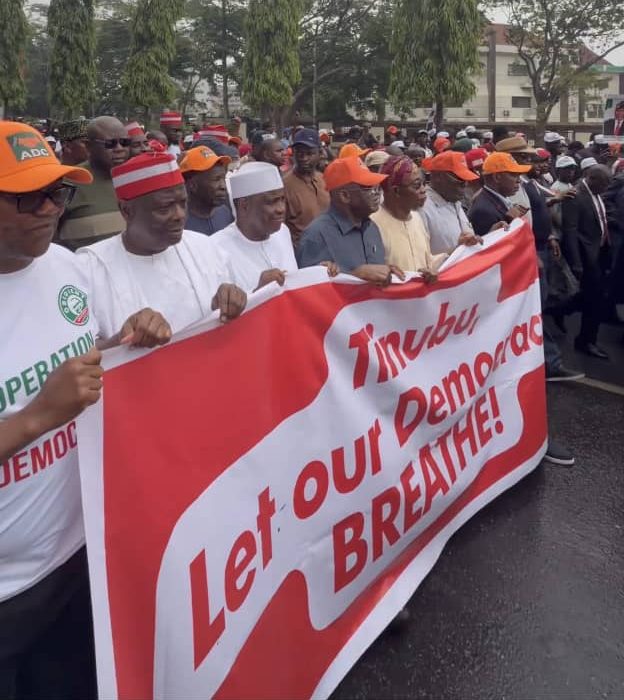
Prominent Nigerian political figures, including former Vice President Atiku Abubakar, former Governor Peter Obi, former Governor Rabiu Kwankwaso, former Governor Rauf Aregbesola, former Minister Rotimi Amaechi, and Governor Aminu Tambuwal, led a high-profile protest in Abuja on Wednesday. The demonstration was staged under the platform of the African Democratic Congress (ADC), challenging the Independent National Electoral Commission’s (INEC) refusal to recognise the party’s leadership headed by former Senate President David Mark.
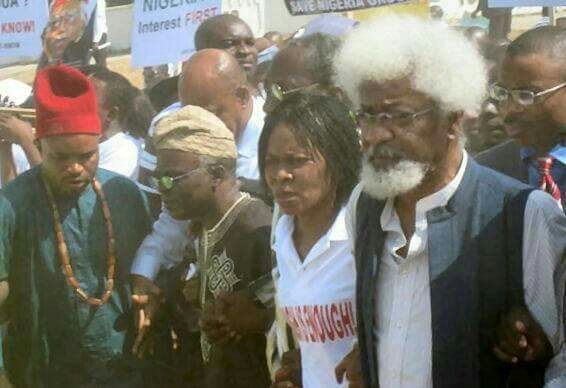
The protest drew a large contingent of party faithful from across the country, signaling the ADC’s determination to assert its leadership and resist perceived interference by the electoral body. Demonstrators began the march at the Maitama Roundabout, one of the capital’s most strategic public spaces, before proceeding through major streets of the Federal Capital Territory, heading toward INEC’s national headquarters.
During the march, the leaders addressed the crowd, calling for unity within the ADC and warning against what they described as arbitrary actions by INEC. Atiku Abubakar, who has historically championed democratic processes, emphasized the need for electoral bodies to act impartially and respect the internal decisions of political parties. He urged Nigerians to support parties that demonstrate internal democracy and cohesion.
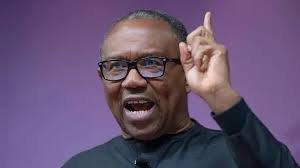
Similarly, Peter Obi highlighted the symbolic importance of the protest, saying that the demonstrators were not only defending the leadership of David Mark but also the broader principle of party autonomy. “A party must be allowed to choose its leaders without external interference. When institutions overstep, it undermines the very democratic values they are meant to uphold,” Obi said.
The protest was largely peaceful, with demonstrators waving ADC flags and carrying placards that read slogans such as “Respect Party Democracy” and “Mark is Our Leader.” Security personnel were deployed along the route to ensure order, and there were no reports of violent incidents.
Observers noted that the participation of multiple high-profile politicians, many of whom have contested or held national offices, underscored the significance of the leadership dispute. Analysts suggest that the ADC may be seeking to consolidate its national influence ahead of upcoming elections, with the backing of seasoned political figures signaling strength and unity.
Rabiu Kwankwaso and Rauf Aregbesola addressed the crowd, reiterating the need for members to remain steadfast and united, while Rotimi Amaechi and Aminu Tambuwal focused on the importance of peaceful demonstration as a democratic right. The leaders emphasized that the protest was a call for INEC to recognise the legitimate leadership of David Mark, not an attack on the electoral commission itself.
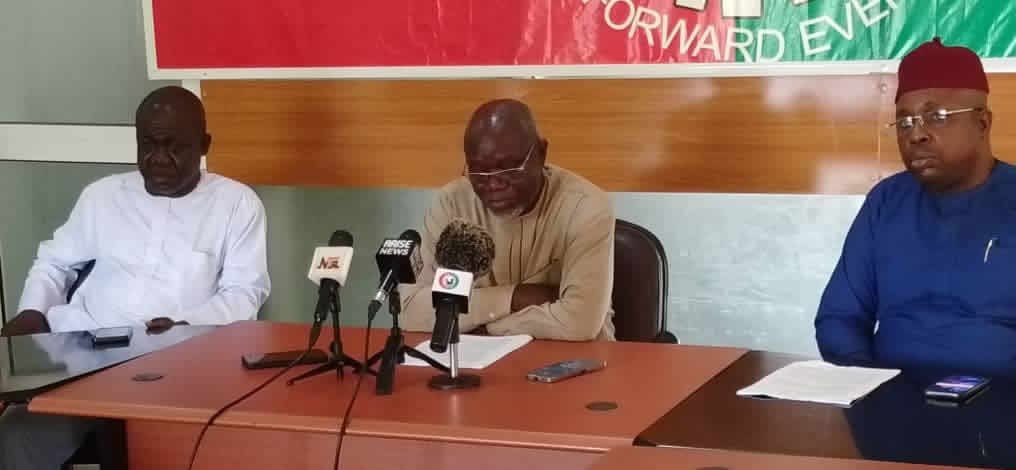
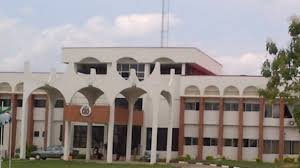
Inside the INEC headquarters, party representatives submitted a formal petition demanding recognition of Mark’s leadership and outlining grievances regarding procedural inconsistencies. While INEC has yet to officially respond, the protest has drawn national attention to the ongoing dispute within the ADC.
Political commentators have highlighted that the march reflects broader trends in Nigerian politics, where internal party disputes often escalate into public confrontations with electoral authorities. By staging a visible and well-organized demonstration, the ADC leadership aims to demonstrate both popular support and political legitimacy.
As the protest concluded, leaders called for calm and a continued focus on internal dialogue, while insisting that their demands be addressed promptly. The event may set a precedent for how opposition parties in Nigeria mobilize support to challenge electoral decisions that they perceive as unfair, signaling a new chapter in political activism and party democracy within the country.