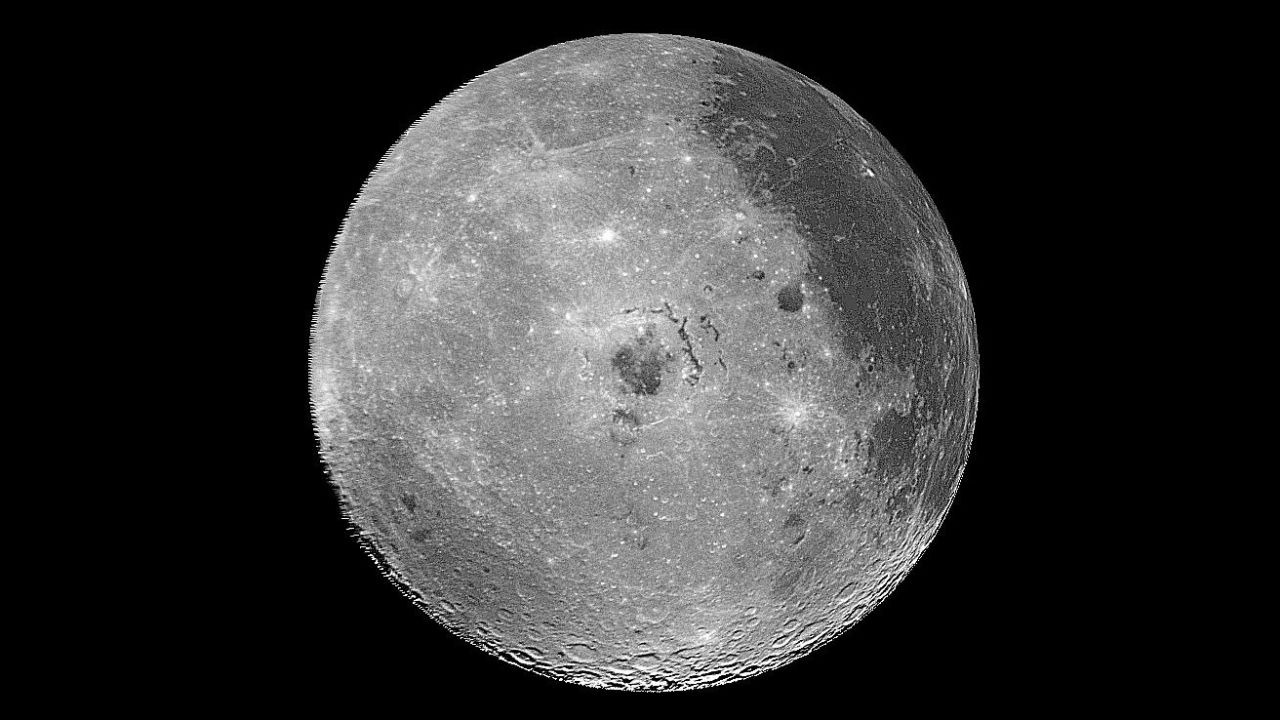
The Artemis II mission is currently in progress and making history! Having launched on April 1, 2026, the crew is now on the return leg of their 10-day journey. The crew will not be landing on the lunar surface; instead, they are performing a lunar flyby.
They are using a “free-return trajectory.” This means the Moon’s gravity will naturally pull the spacecraft around the far side and “toss” it back toward Earth without needing a massive engine burn to return.
At their furthest point, they will be roughly 4,600 miles (7,400 km) beyond the far side of the Moon, further than any human has ever traveled from Earth.
This is a “dress rehearsal” for Artemis III, which is currently planned for 2028 and aims to land the first humans near the lunar South Pole.
Unlike the Apollo missions, which were a “sprint” to the Moon, Artemis is about staying. NASA is testing the Orion’s ability to keep humans alive for long durations in deep space, where radiation is higher and help is days away. They are also testing manual piloting the crew will actually practice “parking” the Orion near their spent rocket stage to test its handling qualities.
The Orion’s flight computer is roughly 20,000 times faster than the one used during the Apollo 11 landing, yet the mission still relies on the same laws of physics that brought Neil Armstrong home.
On Monday, April 6 (Flight Day 6), the crew of the Orion spacecraft named Integrity officially broke the record for the farthest distance from Earth ever traveled by humans.
They surpassed the previous milestone of 248,655 miles (400,171 km) set by the Apollo 13 crew in 1970.
The crew successfully completed their flyby of the Moon’s far side yesterday. While on the far side, they experienced a planned 40-minute loss of signal (LOS) before re-emerging to a stunning view of the Earth.
The astronauts observed a solar eclipse from their vantage point in deep space. An event not visible from Earth. Pilot Victor Glover described the sight of the Sun’s corona behind the Moon as “unreal.”
Armed with extensive training, the crew identified several “impact flashes” on the lunar surface and took thousands of high-resolution photos of 35 target areas on the lunar far side.
The Orion spacecraft has successfully exited the lunar sphere of influence and is now “falling” back toward Earth.
The crew is performing final system checks and preparing for the high-speed atmospheric reentry.
The mission is scheduled to conclude this Friday, April 10, 2026, with a splashdown in the Pacific Ocean off the coast of San Diego around 5:21 p.m. The USS John P. Murtha has already departed San Diego to position itself for the recovery operation.