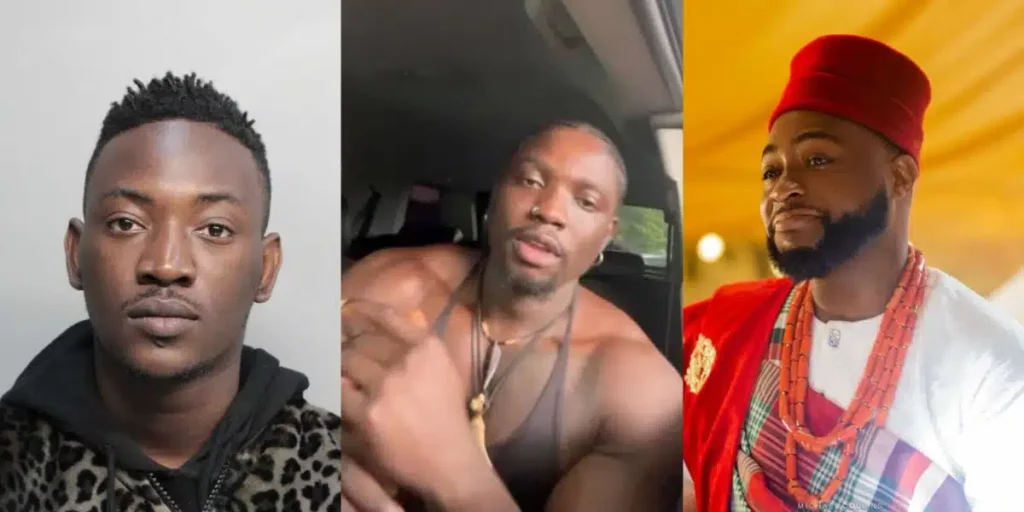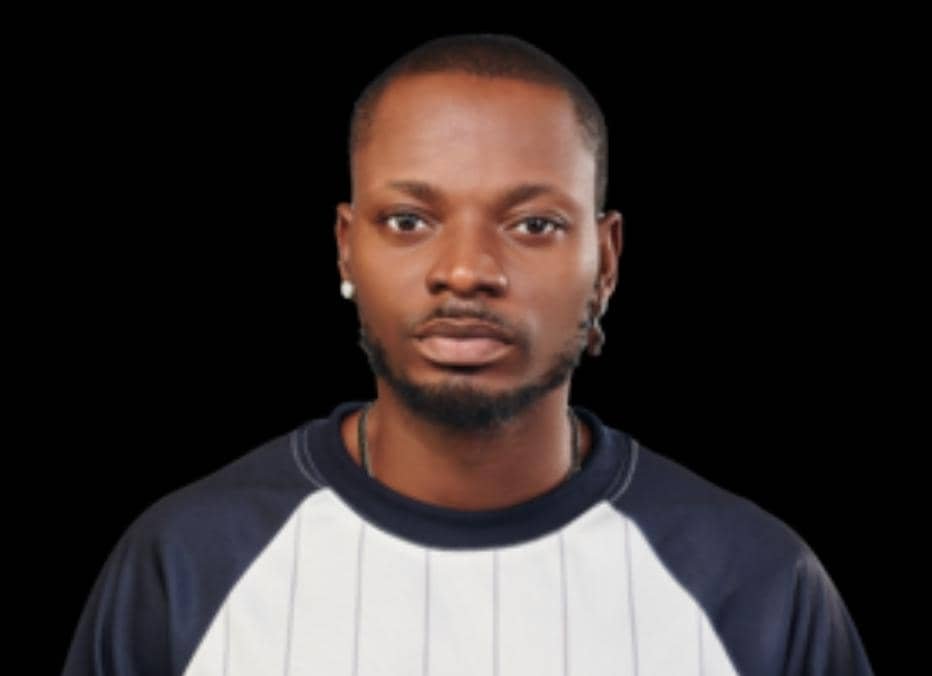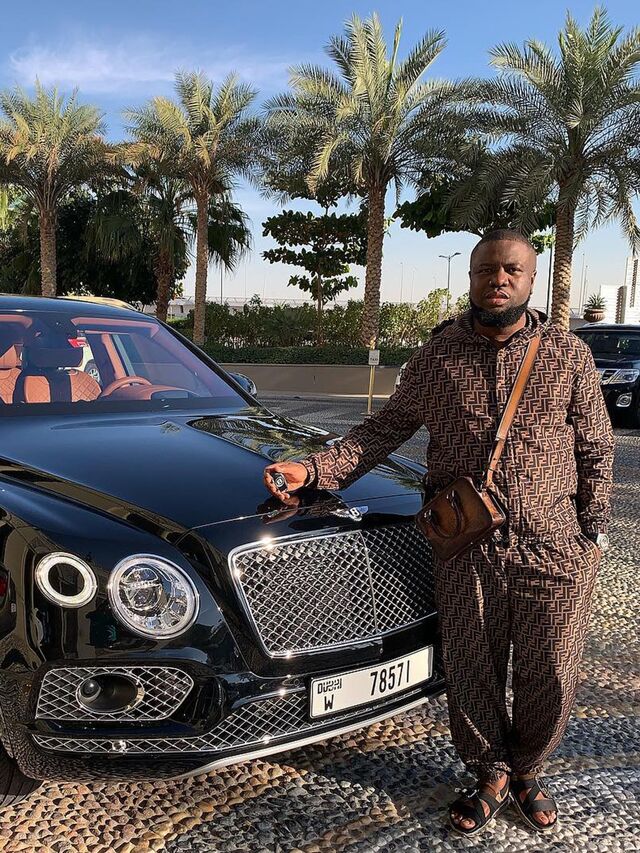
This time, it’s Nzube Henry Ikeji — a self-acclaimed billionaire “socialite” who allegedly impersonated a Dubai prince and swindled a love-seeking Romanian woman of about $2.5 million. Same script as Hushpuppi: exotic cars, designer drip, police protection in tow, and access to the “big boys.” Flashy life. Dirty money. This latest case once again puts Nigeria on the global map of internet crime.
Society shares the blame. Sudden wealth is rarely questioned. Once money is splashed around, everybody lines up for a slice — churches, traditional institutions, security agencies, friends and relatives. No questions asked. Someone once challenged me for criticising this culture: “Did you ask questions when they were struggling?” That’s the rot. In today’s Nigeria, many money-spraying “socialites” are celebrated as celebrities.
One by one, time exposes who some of them really are. Too often, the truth is ugly: criminals. I remember when a federal official once took to social media to tag Nigerians arrested abroad by ethnicity — calling them Igbo criminals instead of simply Nigerians. The backlash was swift, and rightly so. A public officer has no business ethnicising crime. Predictably, some folks from other ethnic groups latched on with mockery, stereotypes, envy and thinly veiled hate.
I warned then, and I repeat now: criminals have no tribe. Crime is not cultural. Criminals shame all of us. Fast-forward to Hushpuppi. Ramon Abbas (aka Hushpuppi) is a Nigerian convicted for large-scale internet fraud — the “Yahoo Yahoo” industry that has damaged our country’s name globally. He is not Igbo. Notice the sudden quiet. No loud ethnic tagging. No daily reminder of his “tribe.” The internet calmed down because he isn’t “Omo Igbo.” Same crime, different energy.
This same man flaunted obscene wealth — private jets, luxury watches, Rolls-Royce — and society cheered. Nobody asked questions when the money was flowing. As we like to say, “nobody asked when he was poor; nobody should ask when he’s rich.” That mentality is part of our problem. When Igbo boys like Invictus Obi Okeke and others were arrested for similar crimes, tribal jingoists rushed online to declare that Igbos “love money too much” and would do anything for it.
But scan the roll call of criminals in Nigeria — fraudsters, looters, kidnappers, ritualists, violent thugs, lying pastors and priests — and you’ll find every Nigerian group represented: Igbo, Yoruba, Hausa/Fulani, Ijaw, Efik, Itsekiri, Tiv, Nupe, Bini… name it. Crime has no ethnicity. Criminals do. Yet because hatred is convenient, once an Igbo man is caught, some people go feral with the ethnic brush. When it’s someone else, suddenly it’s “just a Nigerian.” Same country, different standards. Racism abroad mirrors tribalism at home. Injustice simply changes uniform.
Let’s be clear: Hushpuppi didn’t shame Yorubas. He shamed Nigeria. The world doesn’t see our tribes; it sees our passport. And his crimes damage the image of millions of Nigerians who hustle honestly to earn a living. So when next an oyibo treats you with suspicion at the airport, or a visa officer looks at your passport twice, remember: it’s not personal. The Hushpuppis, the Okekes, the Ikejis of this world helped create that stigma. Many of these fraudsters think the world works like Nigeria — where stolen wealth is celebrated, sources of money are rarely questioned, and criminals are sometimes rewarded with titles, protection and applause.
They assume institutions abroad are just as porous. They’re wrong. That’s why the FBI tracked, arrested, prosecuted and jailed him. And when the next arrest happens — whether the name sounds Igbo, Yoruba, Hausa or anything else — resist the lazy urge to stereotype. Say it plainly: a Nigerian criminal was arrested. Full stop. A people are not bad. Individuals make bad choices. Criminals have no tribe. They shame all of us.