By Muhammad Nasir
Stakeholders in Sokoto State have identified major security implications and proposed measures to address the challenges associated with the Almajiri system in the state.
The brainstorming session, held on Monday, was organised by the Sokoto Advancement Forum (SAF) to assess the security, social, and economic implications of having thousands of street children across the state.
Speaking at the meeting, Prof. Riskuwa Shehu, Vice Chairman of SAF and former Vice-Chancellor of the Usmanu Danfodiyo University, Sokoto, said the dialogue was aimed at developing actionable strategies for both immediate intervention and long-term rehabilitation of the Almajiri system.
“We are here to brainstorm practical and implementable solutions that address child begging, street roaming, vulnerability to crime, and the integration of these children into formal education and social welfare systems,” Shehu stated.
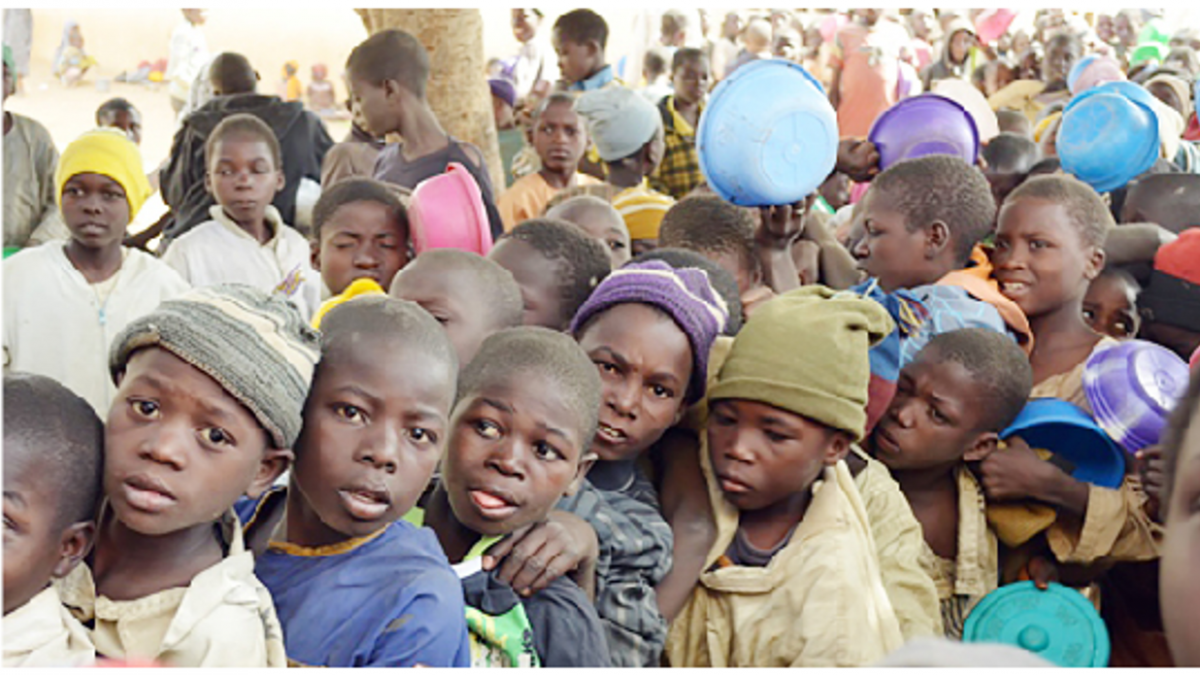
He lamented that across Sokoto, thousands of children were roaming the streets daily with small bowls, begging for food and alms.
“These children, who should be under the protection of their families and in proper schools, are instead exposed to hunger, disease, exploitation, and abuse,” he said.
Shehu urged the stakeholders to confront the hard truth that the Almajiri system, in its present form, is failing the younger generation.
“The statistics are sobering. Research indicates that Sokoto State has one of the highest concentrations of Almajiri children in Nigeria, with estimates ranging from 100,000 to over 400,000 living in vulnerable conditions,” he revealed.
He stressed that behind every figure was a child with dreams and potential, a family struggling with poverty, and a community bearing the social and security consequences.
Shehu assured that SAF would continue to engage on its vision to ensure every child in Sokoto has access to quality education, while citizens live in dignity and security, anchored on the state’s rich cultural and Islamic heritage.
Also speaking, the Commissioner of Police in the state, Mr Ahmad Musa, said the security implications of the Almajiri system were far-reaching and multifaceted.
Presenting a paper titled ‘The Almajiri System: Security Implications and Law Enforcement Response’, Musa warned that the system has become a breeding ground for criminal exploitation.
“The system continues to increase children’s vulnerability to radicalisation, political manipulation, and recruitment into extremist groups.
“Its failures have been linked to broader national security threats, including the rise of violent extremism and terrorism,” he said.
The police commissioner emphasised that mitigating these risks requires collaboration between government and stakeholders to prioritise education, healthcare, and economic empowerment.
“Most Almajiri children lack access to proper healthcare, sanitation, and nutrition, and are often viewed as burdens or threats within the society,” he added.
In their separate remarks, the State Commissioners for Religious Affairs and Basic and Secondary Education, Dr Jabir Maihula and Prof. Ladan Ala, respectively, called on parents, religious scholars, and community leaders to support the government’s ongoing efforts to reform the system.
They reaffirmed the state government’s commitment to promoting education as a foundation for a better future.
The Sokoto Advancement Forum (SAF) is a non-governmental organisation comprising concerned citizens and stakeholders committed to the holistic development of Sokoto State.
Follow us on all social media platforms @dailyquery for news and analyses around the globe.