The Africa Centres for Disease Control and Prevention (Africa CDC) issued a critical public health alert warning that the ongoing Ebola epidemic sweeping across parts of the continent remains uncontrolled.
Official counts have now surpassed 10,200 confirmed cases and 5,000 deaths, positioning the crisis among the deadliest outbreaks of the hemorrhagic virus in recorded history.
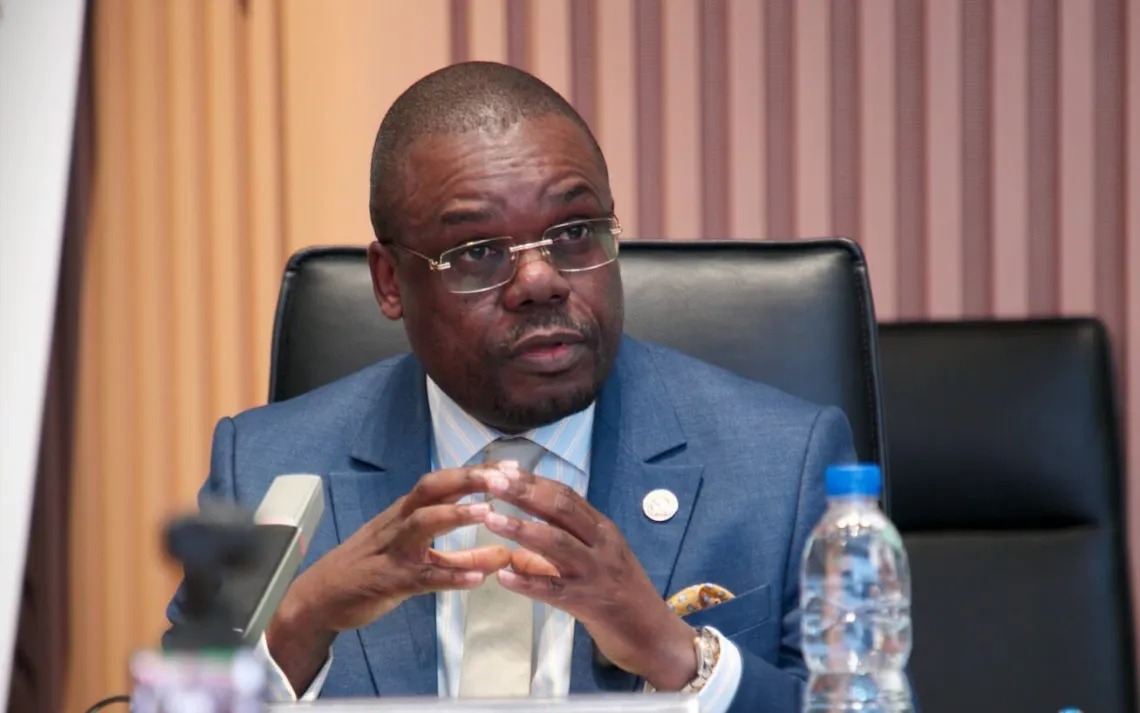
Speaking at an emergency press briefing convened at 10:00 AM EAT at the Africa CDC Headquarters in Addis Ababa, Director-General Dr. Jean Kaseya emphasized that rapid cross-border transmission and regional security challenges continue to severely hamper containment measures.
Health officials confirmed that the rising toll has reached over 10,305 total cases and 4,996 confirmed deaths across affected territories.
The outbreak remains heavily centered in the Democratic Republic of the Congo (DRC), where active community transmission spans 66 health zones across the provinces of Ituri, North Kivu, Haut-Uélé, Tshopo, and Sud-Ubangi.
Secondary cross-border transmissions have also been recorded in neighboring countries and key regional transit hubs, including Uganda, Kenya, and Nigeria.
The escalation is further complicated by the identification of the Bundibugyo ebolavirus strain as the primary driver of the epidemic. Health experts noted that this specific strain poses unique operational hurdles, as standard therapeutics and vaccines developed to combat the Zaire strain offer limited efficacy.
High cross-border mobility continues to accelerate international transmission risks following imported cases detected in major transit centers such as Nairobi and Abuja.
In response, Ugandan authorities have instituted strict border controls and 21-day quarantine protocols along the Entebbe transit corridor, while localized contact tracing and isolation measures remain underway in Kenya and Nigeria.
”Ebola is crossing borders at a rate that demands an unprecedented, unified continental response,” stated Dr. Kaseya during his address. “Africa must act together, with urgency and determination, to supply frontline teams, secure porous border zones, and bring this epidemic under control before health systems collapse.”
In light of the worsening conditions, the Africa CDC has deployed additional rapid-response medical teams and logistics specialists to high-risk zones, while appealing to international partners for emergency funding, localized diagnostic kits, and accelerated therapeutic research support.