By Kunle Solaja, Marrakech
In the packed stadiums of Morocco, Egypt, Senegal, and Nigeria, the chants echo louder than ever. But this year, it’s not just the players who are rewriting history — it’s the men on the sidelines. For the first time in the Africa Cup of Nations’ history, every semi-finalist is guided by an African coach. The elimination of foreign-led teams has left the stage entirely to homegrown tacticians, ensuring that the 2025 trophy will be lifted by one of their own.
For decades, African football was often seen through the lens of imported expertise. European coaches were brought in to “add discipline” or “bring structure.” Yet, in recent years, a quiet revolution has been unfolding. Djamel Belmadi’s Algeria in 2019, Aliou Cissé’s Senegal in 2021, and Émerse Fae’s Côte d’Ivoire in 2023 all proved that African managers could not only compete but conquer.
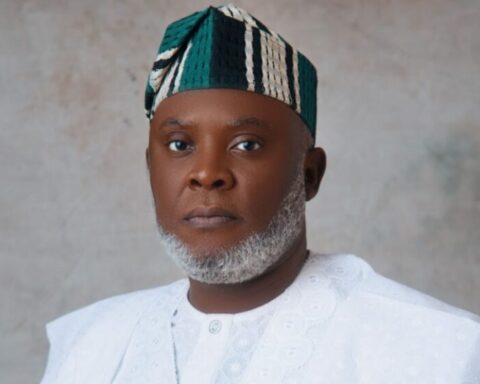
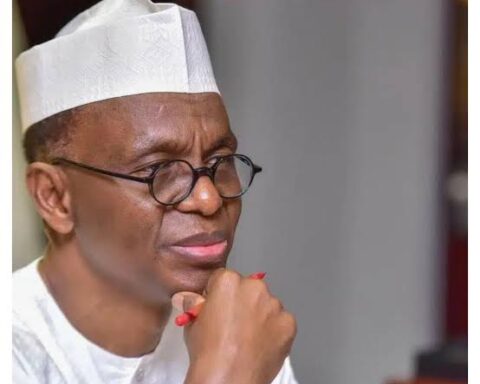
Now, Walid Regragui, Hossam Hassan, Pape Thiaw, and Eric Chelle stand at the helm of Morocco, Egypt, Senegal, and Nigeria. Each carries the weight of national pride, but together they represent something larger: the affirmation that African football belongs in African hands.
The statistics are impressive — 15 of the 24 teams in AFCON 2025 were led by African coaches, 11 advanced past the group stage, and three-quarters of all victories have come under local leadership. But behind those numbers are stories of trust, cultural connection, and belief.
Players speak of coaches who understand their struggles, their humour, their languages, and their rhythms. These managers are not outsiders trying to decode a culture; they are insiders who live it. Their tactical decisions are shaped not only by footballing logic but by an intimate knowledge of what drives their players.
Take Hossam Hassan, Egypt’s fiery leader. Once a legendary striker, he now paces the touchline with the same intensity he showed on the pitch.
If he guides Egypt to victory, he will join Mahmoud El-Gohary and Stephen Keshi in the rare class of men who have won AFCON both as players and coaches. For Hassan, it’s not just about silverware — it’s about legacy, about proving that Egyptian football can thrive under its own guardians.
Or Walid Regragui, whose calm authority has turned Morocco into a disciplined, fearless unit. His journey from local club coach to continental contender mirrors the rise of African managers themselves: once underestimated, they are now impossible to ignore.
As the semi-finals approach, the atmosphere is electric. Fans know that no matter who wins, the victory will belong to Africa’s own. It will be a triumph not just of skill but of identity — a celebration of coaches who have fought for recognition, earned respect, and now stand as symbols of a continent’s footballing maturity.
AFCON 2025 is more than a tournament. It is a statement: African football is being shaped, defined, and led by Africans. And when the trophy is lifted, it will carry with it the dreams of millions — and the undeniable proof that the future of the game belongs to those who live it every day.