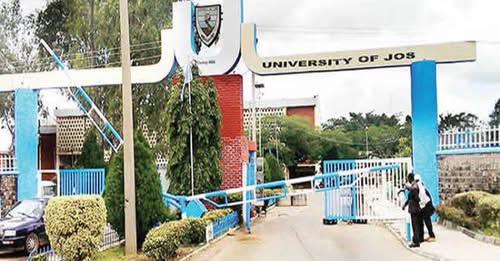
Academic life at the University of Jos has been thrown into uncertainty following the commencement of an indefinite strike by lecturers over the non-payment of their March 2026 salaries. The development has disrupted lectures, administrative processes, and campus activities, leaving thousands of students in limbo.
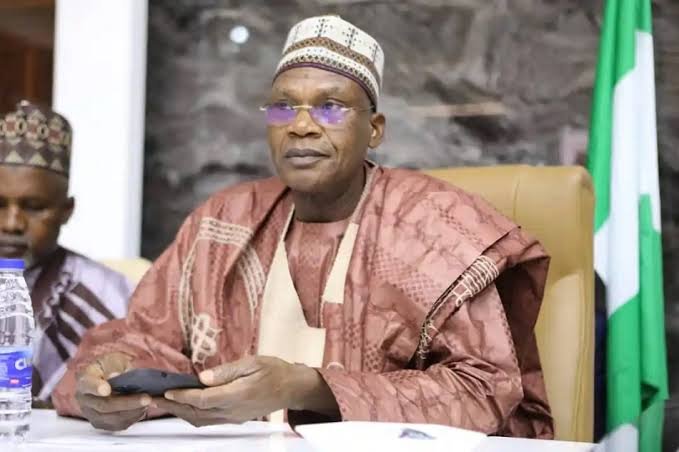
The industrial action was confirmed by Professor Jurbe Molwus, Chairman of the institution’s branch of the Academic Staff Union of Universities, who spoke firmly on the union’s position. According to him, the decision to down tools was not taken lightly but became inevitable after repeated delays in salary payments.
“We are on strike, and we are not going to work until we are paid,” Molwus stated, underscoring the resolve of the lecturers. He added that the strike officially took effect from Wednesday, April 8, 2026, marking the beginning of what could become another prolonged disruption in Nigeria’s higher education sector.
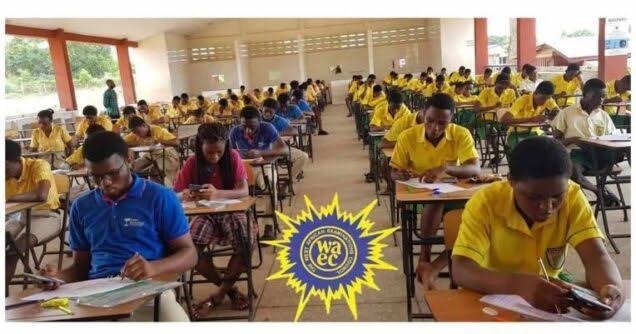
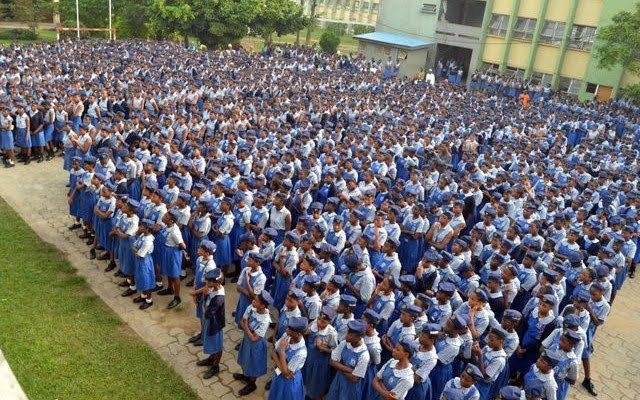
For students of the University of Jos, the announcement came as a sudden blow. Many had been in the midst of lectures, projects, and examinations, only to find classrooms abruptly emptied as lecturers withdrew their services.
Some students expressed frustration, noting that repeated strikes have become a recurring challenge in the Nigerian university system, often extending academic calendars and delaying graduations.
Within the academic community, however, the mood is one of determination rather than resignation. Lecturers argue that the failure to pay salaries not only undermines their welfare but also erodes the dignity of the profession. For many, the strike is as much about respect and accountability as it is about financial entitlements.
Sources within the university suggest that the issue of unpaid salaries may be linked to broader administrative or funding challenges, though official clarification from the authorities remains limited. In Nigeria, delays in salary payments within public institutions are often tied to bureaucratic bottlenecks, funding shortfalls, or disputes over payroll systems.
The action by ASUU at the University of Jos highlights once again the fragile state of industrial relations in the education sector. Over the years, disputes between university staff and government authorities have frequently led to strikes, disrupting academic calendars and affecting the quality of education.
Observers note that while strikes are a legitimate tool for demanding rights, their impact on students and the broader society cannot be ignored. Each disruption not only affects learning but also contributes to a sense of instability within the education system.
Parents and guardians, many of whom invest heavily in their children’s education, are also feeling the strain. For them, the uncertainty surrounding the strike raises concerns about timelines, financial planning, and the overall future of their wards.
As the strike unfolds, attention is now focused on the university management and relevant government authorities to address the situation promptly. Negotiations, if initiated swiftly, could pave the way for a resolution and a return to normal academic activities. However, if delays persist, the standoff may deepen, prolonging the disruption.
For Professor Molwus and his colleagues, the message remains clear: the strike will continue until their demands are met. It is a stance that reflects both frustration and a call for urgent action.
In the meantime, the once-bustling lecture halls of the University of Jos stand quiet—a stark reminder of the challenges facing Nigeria’s higher education system. Whether this latest crisis will lead to meaningful reforms or simply become another chapter in a cycle of disputes remains to be seen.