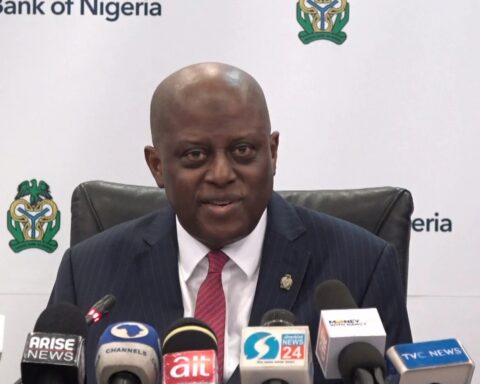
Nigeria’s foreign reserves has been one of the standout economic stories of early 2026. As of February 16, 2026, the Central Bank of Nigeria (CBN) reported that gross external reserves hit $50.45 billion—the highest level the country has seen in 13 years.
This is a massive turnaround from the lows of late 2023, and it provides about 9.68 months of import cover, well above the international benchmark of 3 months.
The “accretion” (as economists like to call it) isn’t coming from just one place; it’s a mix of policy shifts and market confidence: High interest rates (currently at 26.5%) have made Nigerian bonds and bills very attractive to foreign investors. This has brought in billions in “hot money” or short-term capital.
With the Dangote Refinery ramping up capacity toward 700,000 barrels per day, Nigeria is spending significantly less foreign exchange on importing refined fuel.
Reforms in the FX market have made it easier and more profitable for Nigerians abroad to send money through official channels rather than the black market.
Improved security in the Niger Delta and more disciplined revenue collection from oil sales have boosted the government’s dollar earnings.