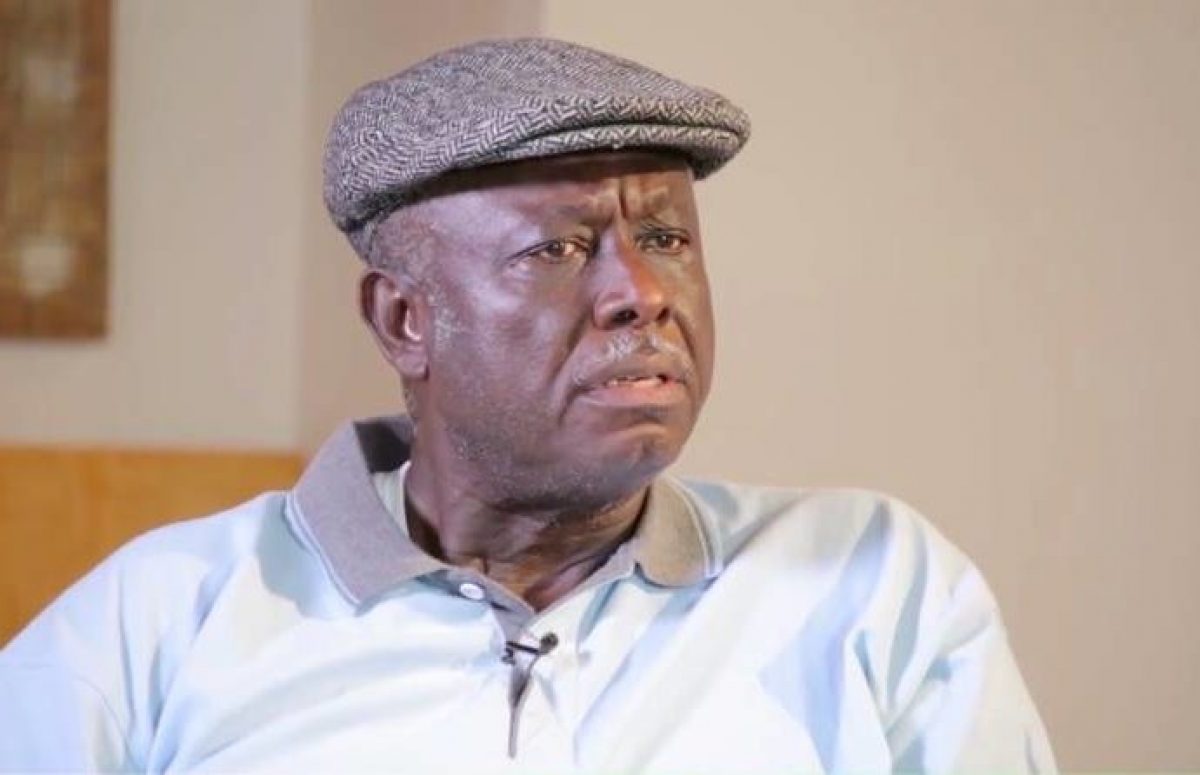
Elder Emmanuel Ogidi, a former Deputy National Chairman of the Peoples Democratic Party (PDP), has issued a blistering warning that Nigeria’s multiparty democracy is being systematically strangled, and that only a united opposition can stop the country from collapsing into authoritarian rule.
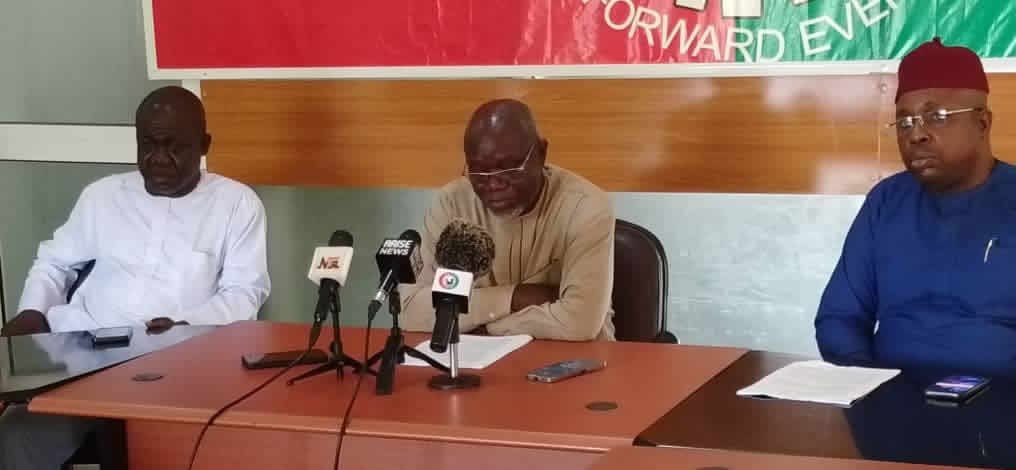
In a fiery interview on the Nigerian Television Authority (NTA) programme Political Update, Ogidi didn’t mince words: what is unfolding across the political landscape is far beyond “politics as usual.” According to him, a deliberate, coordinated assault on opposition structures is underway, and the window to resist is closing fast.
“There is a deliberate attempt to suppress multiparty democracy, and we must resist it,” Ogidi said, framing ongoing consultations among opposition parties not as opportunistic alliances but as a desperate, last-ditch effort to salvage the nation’s democratic soul.
The PDP stalwart unleashed a particularly scathing critique of what he calls a “legal virus”, a recurring pattern of manufactured crises and judicial ambushes that mysteriously erupt whenever opposition unity begins to gain traction. “Each time opposition parties attempt to unite, new legal complications suddenly emerge,” he charged, describing the tactic as a cynical weapon to fragment political cohesion before it can threaten the ruling establishment.
Ogidi didn’t spare his own party, either. He admitted that the PDP is riddled with internal rot, pointing a finger at party members who publicly wear PDP badges while privately doing the bidding of the ruling All Progressives Congress (APC). “We cannot continue to pretend,” he said. “When individuals claim membership of one party but openly work for another, it raises serious questions about loyalty and integrity.” That, he implied, is not just betrayal, it’s a death by a thousand cuts for genuine opposition.
Turning to the future of elections in Nigeria, Ogidi’s tone darkened. “If the current trajectory continues, we may not have the kind of free and fair process Nigerians expect,” he warned, suggesting that the integrity of the ballot box is already hanging by a thread.
On the subject of former President Goodluck Jonathan—whose potential return in 2027 has ignited fierce debate, Ogidi was careful but pointed. He acknowledged Jonathan as a “global icon” and a stabilizing force, but also threw cold water on any fantasy of a smooth comeback. Legal firestorms, he noted, would almost certainly be unleashed the moment Jonathan signals intent. “That is the reality of our system,” he said grimly.
At nearly 70 years old, Ogidi confessed he had hoped to retire from the political trenches he first entered in 1979. But he says the country’s tailspin has left him no choice but to stay and fight. “Those of us who have benefited from the system must give back,” he said, though his tone carried more urgency than nostalgia.
While insisting that consultations with the Social Democratic Party (SDP), Accord Party, and others continue, Ogidi refused to sugarcoat the scale of the challenge. Hunger, hardship, and public disillusionment are everywhere, he said, but even that grim reality, he believes, is beginning to spark political consciousness. Whether that consciousness will translate into collective action before democracy is irreparably hollowed out remains the open, terrifying question.
“Politics should not be played with the lives of the people,” Ogidi concluded. “The responsibility of leadership is to improve lives, not worsen conditions.” But his overarching message was unmistakable: without honesty, sacrifice, and an urgent unification of opposition forces, Nigeria’s slide into a one-party state may soon become irreversible, and the people will be left with no real choice at all.