By Stephanie Shaakaa
Nigeria is entering a dangerous phase.
Not dictatorship.
Not military rule.
Something quieter.
A democracy where speaking is technically allowed but practically discouraged.
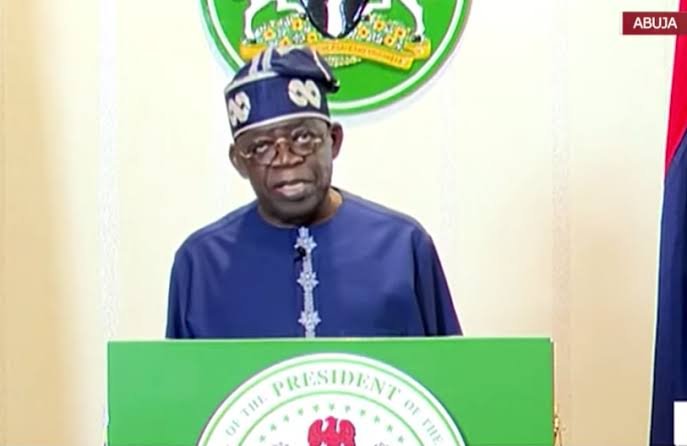
Under President Bola Tinubu’s government, dissent has not been banned. It has simply been made expensive.
Not always with prison.
Not always with court orders.
Sometimes with harassment.
Sometimes with sudden investigations.
Sometimes with selective enforcement.
Sometimes with silence from institutions that once defended free speech.
The message spreads without announcement:
Measure your words. Or manage the consequences.
This is how democracies erode, not with explosions, but with exhaustion.
Once, criticism felt like participation. Journalists wrote boldly because public opinion mattered. Activists protested because visibility offered protection. Citizens complained because their voices counted.
Now, hesitation enters the room before truth does.
Criticism is labeled sabotage.
Questions are treated as hostility.
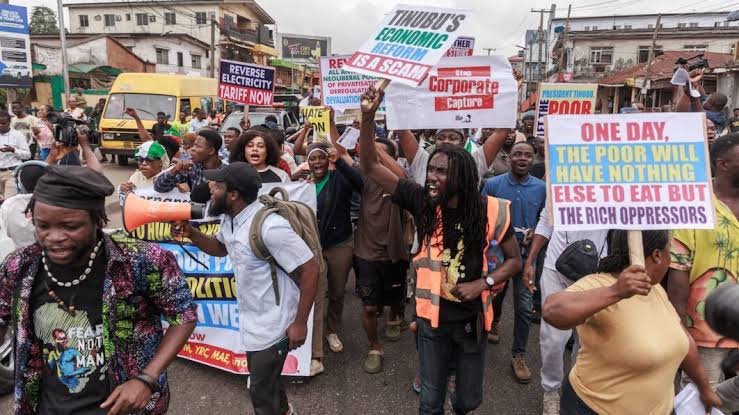
Protest becomes instability.
Disagreement becomes disloyalty.
The space between loyalty and silence is shrinking.
And fear grows in tight spaces.
A friend told me recently she wanted to publish a report on inflation. She paused mid-sentence.
I don’t want attention, she said.
That is not caution. That is climate.
And climate shapes behaviour faster than law.
What makes this more troubling is expectation. This administration promised reform. Courage. Competence. Nigerians braced for difficult economic decisions. They anticipated hardship.
What they did not anticipate was an atmosphere where expressing pain feels subversive.
Hardship does not silence citizens.
Hopelessness does.
When people believe speaking will change nothing or worse, make things harder, silence becomes survival.
Watch the signs.
Labour unions soften their tone.
Civil society groups delay statements.
Journalists self-edit for safety, not clarity.
Academics choose private critique over public analysis.
No decree is necessary. Power does not always demand silence. It only needs to punish a few loudly and reward loyalty consistently.
The lesson travels on its own.
Some argue Nigeria needs discipline, not noise. That criticism weakens authority. That patience is patriotic.
But discipline is not fear.
Patience is not silence.
And patriotism is not compliance.
A government confident in its record does not flinch at questions.
The most dangerous moment for any government is not when citizens protest.
It is when they stop bothering.
When no one questions policy, it does not mean policy is perfect. It may mean people have concluded their voices do not matter.
And once that belief settles in, democracy weakens at the root.
Silence is not stability.
Silence is warning.
A government that is not questioned should be deeply uneasy – because accountability delayed becomes anger stored.
And stored anger rarely disappears. It accumulates.
It answers them.
Silencing criticism does not protect power. It blinds it.
Governments that cannot hear dissent early are shocked by unrest later. When frustration has no microphone, it finds other channels. When criticism is suffocated, resentment reorganises.
History is not subtle about this.
Truth-telling is not opposition. It is oxygen.
No policy improves in an echo chamber.
No reform survives without scrutiny.
No leader governs well by applause alone.
A teacher questioning funding is not a rebel.
A union leader challenging subsidy removal is not a traitor.
A journalist exposing mismanagement is not an enemy of the state.
They are pressure valves.
And when you seal pressure valves, systems explode.
This is not a call for chaos. It is a call for confidence.
A strong president does not need praise to function.
He needs feedback to improve.
Dissent is not decoration. It is infrastructure.
It stress-tests policy.
It prevents blind spots.
It saves governments from themselves.
When citizens whisper instead of speak, governance becomes performance. Public debate moves underground. Errors harden. Institutions thin out.
Inflation. Insecurity. Unemployment. Institutional fatigue. These problems cannot be solved by loyalty displays. They require uncomfortable conversations.
If questioning power feels risky, democracy is not healthy, it is fragile.
The strength of a nation is not measured by how loudly it praises its leader.
It is measured by how safely it can challenge him.
If that space is shrinking, the danger is not to critics alone.
It is to the government itself.
Because when truth becomes dangerous, silence becomes rational.
And when silence becomes rational, accountability dies slowly.
No democracy survives that trajectory for long.
– Shaakaa can be reached through:
shaakaastephanie@yahoo.com