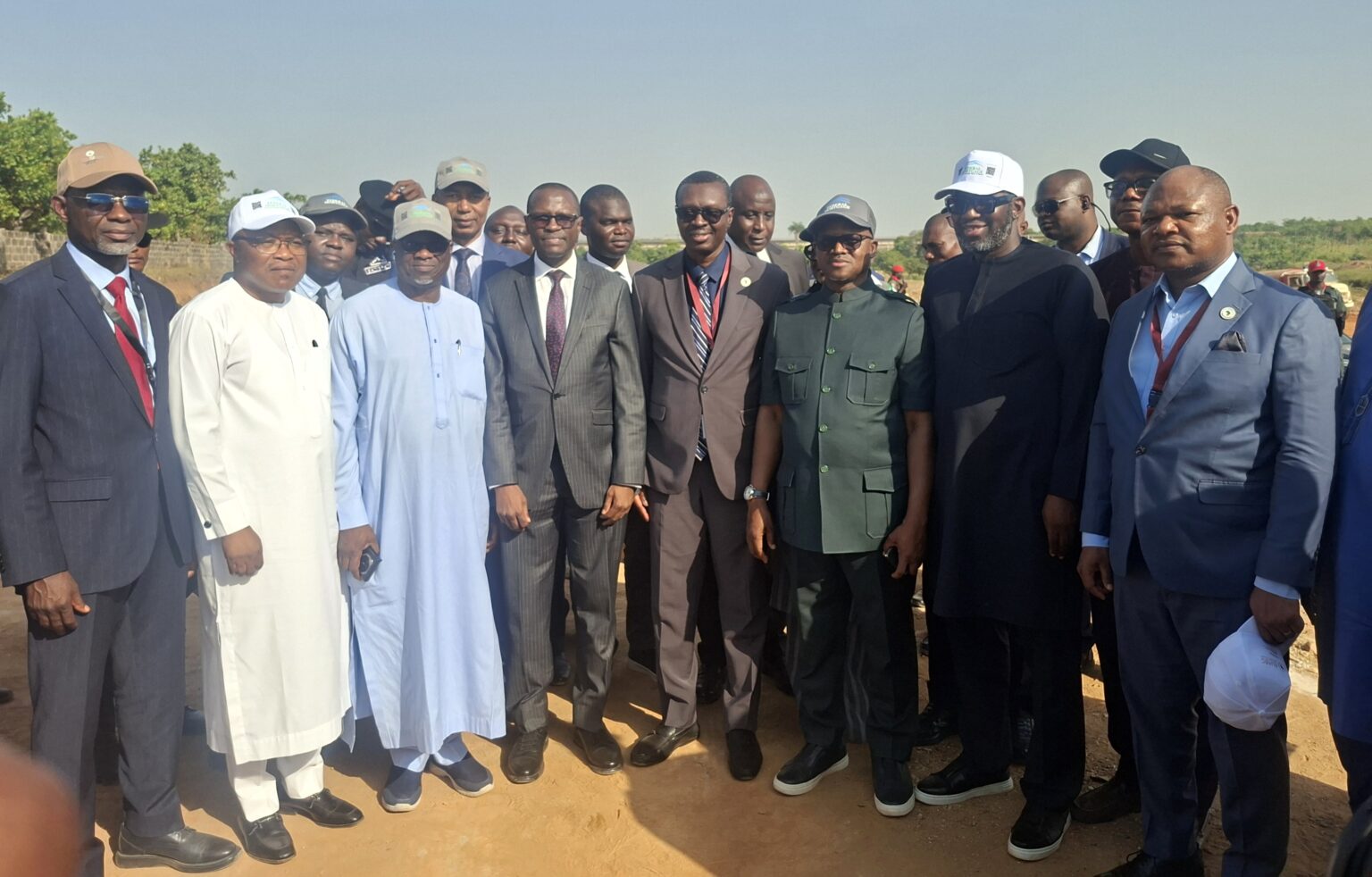
The Federal Mortgage Bank of Nigeria (FMBN) says its partnership with the Independent Corrupt Practices and Other Related Offences Commission (ICPC) has facilitated the recovery of a 27.9-hectare property linked to an abandoned housing project initiated in 2012.
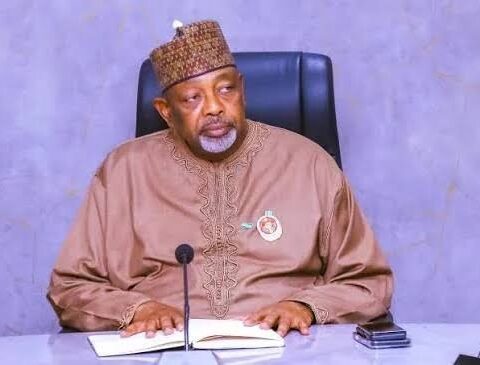
The Managing Director of FMBN, Mr Shehu Osidi, disclosed this during an inspection of the 27.9-hectare project site on Wednesday in Abuja.
The project, initially designed to deliver 962 housing units, was abandoned after a developer failed to fulfil the terms of a 65 million dollar loan guaranteed by FMBN.
Osidi said the loan had remained classified as bad debt in the bank’s books for about 10 years before the ICPC intervened to facilitate the recovery of the land.
He explained that the land was recovered through a court-ordered forfeiture to the ICPC for onward transmission to the bank.
The FMBN managing director added that the court directed the commission to supervise the bank to ensure that the original purpose of the land, which was to provide houses for Nigerians, was achieved.
“The new developers of the site have been able to demonstrate capacity by coming out with a site proposal now that is going to deliver almost 150 per cent of the number of houses that were intended.
“Originally, the project was conceived to provide 962 housing units. Now we are going to end up with about 1,358 housing units.
“I think that is a win-win and a very good development that government agencies working together as sister agencies can actually deliver value to Nigerians.”
Osidi commended ICPC for its diligence in pursuing the case and facilitating the recovery of the property.
Also speaking, the ICPC Chairman, Dr Musa Aliyu, said the inspection was organised as part of activities marking the first General Assembly of the African Asset Recovery Practitioners Forum.
Aliyu said the forum, established through collaboration between the African Union (AU), ICPC and the German Agency for International Cooperation (GIZ), was aimed at strengthening asset recovery efforts across Africa.
He said the commission invited representatives from other African countries to inspect the project as an example of how asset recovery could contribute to the fight against corruption.
“FMBN and ICPC were able to recover this land, which is 27.9 hectares, which about is 39 football field size.
“What really happened was that in 2012, there was a loan taken by a developer which was guaranteed by FMBN which is the sum of 65 million dollars and those houses were never delivered.”
The ICPC chairman said individuals suspected to be involved in the transaction were facing trial, adding that asset recovery remained a critical mechanism for tackling corruption and illicit financial flows across the continent.
Aliyu said Africa was losing about 150 billion dollars annually to illicit financial flows, stressing that such resources could contribute significantly to development if properly utilised.
He called for stronger cooperation among African countries to prevent corruption and ensure that the continent’s resources translated into improved living conditions for citizens.
In his remarks, Chairperson of the African Union Advisory Board Against Corruption (AUABC), Mr Edem Senanu, commended the ICPC and FMBN for their collaboration in recovering the property.
Senanu said the ICPC had played a significant role in promoting the Common African Position on Asset Recovery, which was endorsed by the African Union.
According to him, the recovery of the property demonstrates that collaboration between government institutions can produce tangible results.
“Two state institutions can collaborate, often they are fighting, they are silos, they don’t want to agree on things.
“But for something that was lost for 10 years, you had new leaders who were willing to talk to each other and find a way to resolve it,” he said.
Senanu commended the Nigerian Government, ICPC and FMBN, expressing hope that the completed houses would be affordable and accessible to Nigerians.
He said the successful completion of the project would inspire similar asset recovery initiatives across the continent.