Médecins Sans Frontières (MSF) has issued an urgent warning that critical shortages of diphtheria antitoxin (DAT), combined with persistently low routine immunisation coverage, are accelerating transmission and crippling containment efforts across northern Nigeria.
In a press statement initially released out of Abuja on Friday, November 13, 2026, and circulated to correspondents in Maiduguri on Monday morning, November 16, 2026, the international medical humanitarian organisation revealed that dwindling stocks of the lifesaving drug have forced frontline medical teams to ration treatment, putting thousands of children at heightened risk of severe complications and death.
Speaking on behalf of the organisation, MSF’s Medical Coordinator in Nigeria, Dr. David Kizito, emphasised that the global scarcity of diphtheria antitoxin, the sole specific treatment capable of neutralising the toxin produced by the diphtheria bacterium, has reached a breaking point in the country.
“The global shortage of diphtheria antitoxin is becoming a matter of life and death,” Dr. Kizito stated. “Our stocks are dangerously low, and we risk being unable to treat children and save lives as the outbreak continues.”
MSF noted that Nigeria currently holds no emergency reserve of DAT, leaving treatment centres vulnerable as admissions surge. Without timely administration of the antitoxin and antibiotics, the fatality rate for diphtheria can reach between 30 and 40 percent.
The warning comes amid what the International Federation of Red Cross and Red Crescent Societies (IFRC) has described as Nigeria’s largest diphtheria caseload on record.
Surveillance figures from the Nigeria Centre for Disease Control and Prevention (NCDC) up to the week ending November 7, 2026, show 37,529 suspected cases, 28,151 confirmed infections, and 1,126 deaths recorded nationwide this year alone, representing a 3.9 percent case fatality rate and 1.8 times the confirmed cases seen during the same period in 2025.
While cases have been detected across 26 states and the Federal Capital Territory, northern Nigeria bears the overwhelming brunt of the crisis.
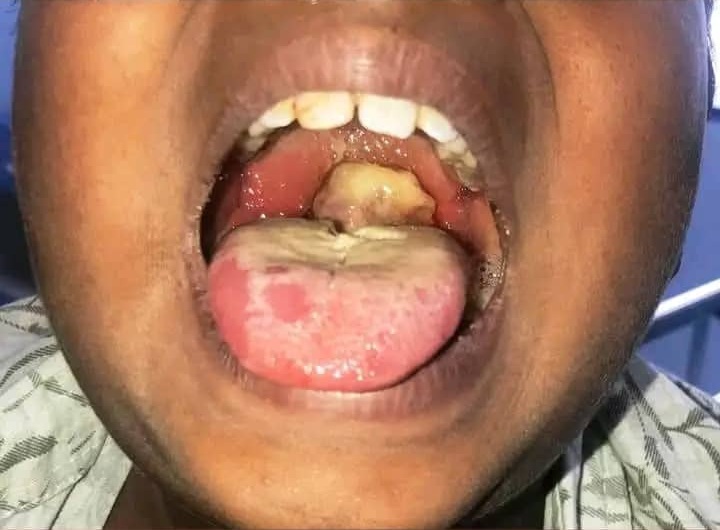
Kano State remains the national epicentre, accounting for 12,008 confirmed cases, or 43 percent of the national total, while Bauchi State ranks among the hardest-hit areas with 2,463 confirmed cases. In Katsina State, medical teams have confronted alarming clinical severity, with 70 out of 86 patients managed by MSF over a recent 18-day stretch suffering from severe infections.
Meanwhile, Zamfara State recorded more than 671 patient admissions at MSF-supported facilities in Gusau within a single month starting October 6, 2026.
MSF highlighted that low vaccination rates remain the primary driver of the outbreak’s spread, noting that four out of every five patients admitted to its treatment facilities had never been vaccinated against the disease.
Echoing this concern, Mr. Aina, an official with the National Primary Health Care Development Agency (NPHCDA), recently noted that roughly 93 percent of children affected by the outbreaks had either received zero doses or fewer than the three recommended infant vaccine doses, citing misinformation and vaccine hesitancy as persistent barriers.
Supply bottlenecks have further hampered reactive immunisation drives; in Zamfara State, only 25,000 of the 90,000 vaccine doses required for an emergency campaign have been delivered, leaving roughly three in four targeted children unprotected.
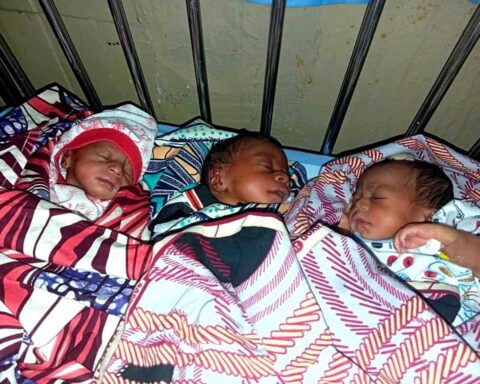
The human toll of limited awareness and delayed care is starkly visible in local wards. At an MSF-supported hospital in Sokoto State, Shafa’atu, a mother whose three children were treated for the infection, recounted the ordeal faced by her family.
“We were very worried when our first child became sick because we knew very little about diphtheria at the time,” she said. “My child struggled to eat, and whenever he ate, he vomited. Diphtheria is a dangerous disease.”
Despite severe supply constraints, MSF teams continue to provide direct medical care and support isolation wards in Kano, Sokoto, and Zamfara states, alongside operational support in Bauchi, Katsina, and Kebbi states.
Earlier in 2026, MSF partnered with state health ministries to administer over 835,000 vaccine doses in Kano across April and June, and reached 49,018 children under 15 across two vaccination rounds in Sokoto between February and April.
In Bauchi, MSF’s clinical intervention between August 2025 and May 2026 helped slash the local case fatality rate from 8.7 percent to 1 percent among at least 1,890 treated patients.
To prevent further avoidable deaths, Dr. Kizito and MSF are urgently calling on federal and state authorities, international donors, and global health partners to step up their response.
The organisation is urging pharmaceutical manufacturers and global health bodies to scale up DAT production and secure immediate emergency allocations for Nigeria, while pressing Nigerian authorities to expedite customs clearance for imported antitoxins and vaccines at ports of entry to prevent fatal administrative delays.
Alongside immediate supply relief, MSF stressed that authorities must sustain long-term funding and community outreach to strengthen routine immunisation and close persistent immunity gaps across rural northern communities.