By SKC Ogbonnia
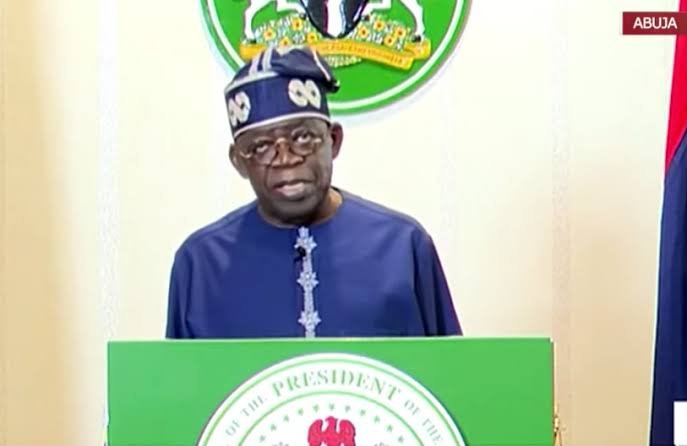
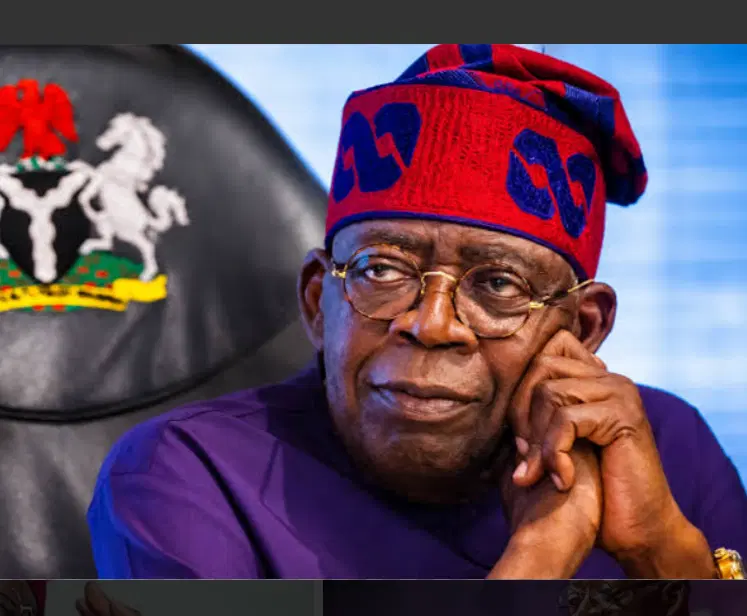
President Bola Ahmed Tinubu is at it again. The apparent pursuit to grind Nigeria into financial submission is no longer hidden. His regime first tested the waters with a staggering $20 billion proposal. Now, it has abruptly pivoted to a $7.7 billion request.
This sudden switch was a calculated ploy to appease a gullible public by making the lower figure seem reasonable. After all, the rubber-stamp legislature is ever ready to approve anything that Tinubu pushes their way. This reckless borrowing accelerates a dangerous reliance on massive external loans. The alarming accumulation of debt is outpacing decades of previous leadership combined.
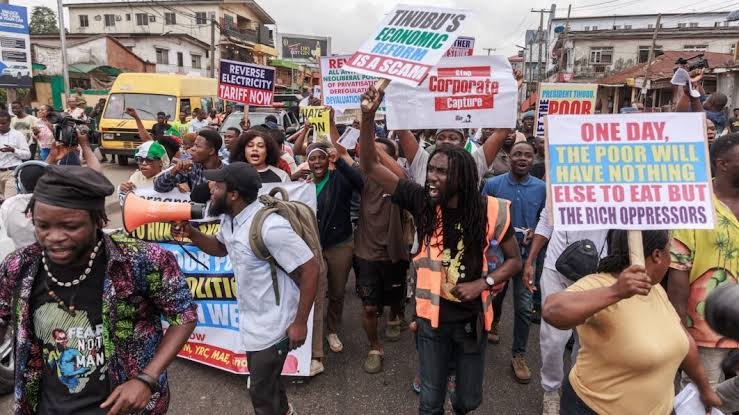
What kind of economic strategy would see our debt profile more than double in less than three years, while the country has at the same time emerged as the home for the world’s poorest citizens despite the much-advertised removal of fuel subsidy? This trajectory is particularly mind-boggling when considering that very subsidy removal is estimated to have funneled roughly ₦20 trillion into government coffers since Tinubu took office.
Yet, the resulting debt-to-revenue chokehold is staggering. Data from the BudgIT Foundation highlights a severe fiscal crisis. Debt servicing costs now consume a massive portion of retained revenues. This leaves negligible funding for critical sectors like education, healthcare, and social welfare. It starves the foundational pillars of human development.
The current strategy amounts to little more than blind borrowing and sheer political cronyism. Official data from the Debt Management Office (DMO) shows a sharp rise. Nigeria’s total public debt stock climbed to ₦166.79 trillion as of June 2026. This is up significantly from the ₦87.38 trillion recorded when Tinubu assumed office in June 2023. This reckless path actively mortgages Nigeria’s sovereignty.
The targeted projects fail to address the core crisis of survival facing average citizens. Instead, the strategy leaves Nigeria deeply vulnerable to foreign creditors. Nearly half of the nation’s debt portfolio is held externally. Therefore, every shift in the global economy inflates what Nigeria owes in naira. Every fluctuation in the exchange rate worsens the burden. This over-dependence directly surrenders commercial and economic sovereignty to outside institutions.
Furthermore, this blind borrowing offers no immediate economic relief. It locks up vital resources in capital-intensive contracts. These projects primarily benefit a small circle of wealthy, politically connected associates. Huge contract payouts are corralled by elite interests instead of building local wealth. They do not circulate within the domestic economy. Even worse, the borrowed money is ultimately sent overseas and dramatically vanishes via foreign procurement and offshore accounts.
President Tinubu and his defending analysts reject this narrative of reckless borrowing. Yes, they argue that comparing raw naira debt figures across different eras is economically misleading. Shifting structural realities change the baseline context. The administration’s defense rests heavily on currency devaluation adjustments. They claim a large portion of the debt increase is merely a paper reflection of foreign exchange reforms. The naira was allowed to float. Consequently, existing external loans denominated in US dollars automatically multiplied in naira value. This happened on the national balance sheet without representing brand-new borrowing.
The Tinubu defenders also point to the “Ways and Means” legacy. Much of the recent debt jump includes a formal conversion. Inherited Central Bank overdrafts accumulated under previous administrations were simply securitised. In public addresses, President Tinubu has insisted that new financing targets long-term asset creation. His point is that the money is not meant for consumption.
The administration insists it is borrowing to build. They target infrastructure like the coastal highway, power grid expansions, and agricultural networks. They claim such projects aim to stimulate internal productivity and generate future tax revenues.
Furthermore, government updates indicate that subsidy savings are not sitting idle. They claim to have vastly increased monthly allocations through the Federation Account Allocation Committee (FAAC). They continue to hammer that these funds go directly to state and local governments to drive regional development.
Despite these assurances, independent financial watchdogs offer a more cautious analysis. The International Monetary Fund (IMF) notes that while Nigeria’s debt-to-GDP ratio remains within manageable global thresholds, its debt-service-to-revenue ratio presents severe operational strains. More consequentially, President Tinubu’s decision to blame state governors for mismanaging the fuel subsidy savings is ultimately self-defeating, given that the majority of these governors belong to his own ruling party. Nigerians did not vote in the governors as their president; they voted for Tinubu.
Ultimately, the administration is entirely wrong to prioritize long-term road networks over immediate foundational utilities. Deploying these massive funds into combating hunger and fixing the nation’s crippled power grid would be a far better path. Establishing robust power alternatives is most urgent. A stable power supply would provoke a critical economic transition. It would move Nigeria from a consumption-based economy to a production-based powerhouse that the country direly needs. It would simultaneously generate millions of immediate jobs for Nigeria’s unemployed youth.
The final economic outcome of this borrowing surge hinges entirely on productivity. These heavily debated inflows must successfully translate into tangible infrastructural gains. Without a massive increase in domestic production, Nigeria risks a dark future. The country will get trapped in a cycle of permanent deficit financing. Nigeria simply cannot afford to borrow away tomorrow’s wealth to fund today’s elite contractors. Immediate operational changes are mandatory to prevent a systemic collapse.
Dr. Ogbonnia, Director-Policy, Research & Documentation, NDC Presidential Campaign Council, writes from Abuja, Nigeria